
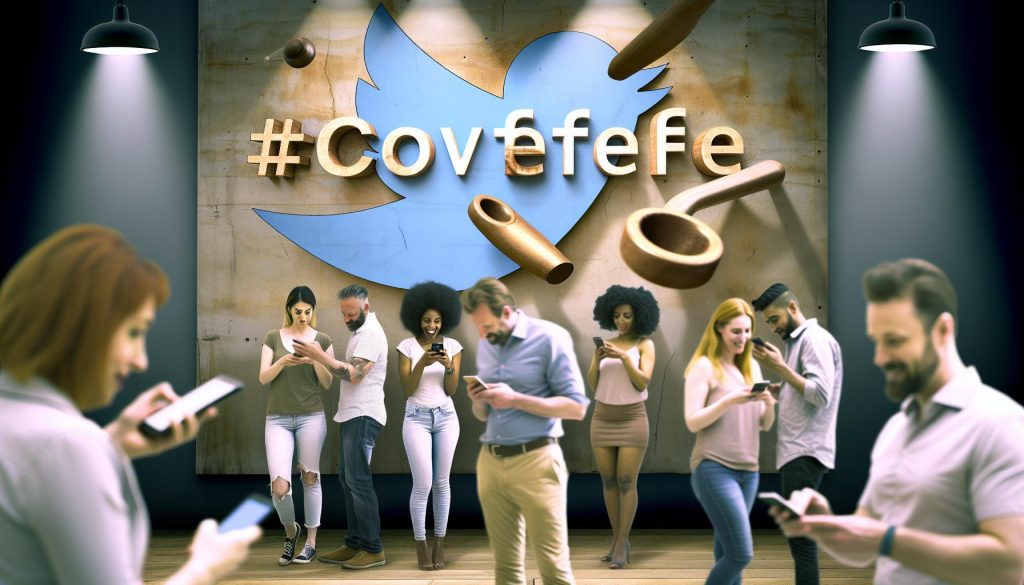
In the fast-paced world of social media, few moments capture the essence of viral culture quite like the infamous “covfefe” tweet. This accidental misspelling by former President Trump not only sparked a flurry of memes and jokes but also ignited debates about communication in the digital age. Understanding the meaning behind “covfefe” goes beyond just a typo; it highlights how a single word can shape public discourse and even transform Twitter into a wild playground of linguistic creativity. Join us as we dissect this viral phenomenon, exploring its origins, impact, and the hilarious, yet insightful, ways it resonated with users worldwide. You won’t want to miss how a simple slip of the fingers became a cultural touchstone!
Understanding the Covfefe Tweet Phenomenon
In 2017, a simple typo became an internet sensation, capturing the attention of millions and shifting the landscape of social media interaction. The infamous “covfefe” tweet, left unfinished late at night by then-President Donald Trump, sent Twitter into a frenzy, igniting a mix of confusion, laughter, and rapid-fire memes. With just one misspelled word, the term became emblematic of how minor blunders can spark seismic shifts in online discourse and meme culture.
The frenzy surrounding “covfefe” showcased the power of spontaneity on platforms like Twitter, where the rapid pace of engagement can elevate misunderstandings into cultural phenomena. Memes circulated at lightning speed, with users creatively employing the hashtag to comment on everything from politics to everyday frustrations. The sheer absurdity of the situation highlighted how social media can transform a single word into a punchline that resonates across diverse demographics, showcasing an example of collective social interaction fueled by humor and curiosity.
Such viral moments often reflect broader trends in online behavior and attitudes. When faced with a quirky, mysterious tweet, users engage not just to understand its meaning but also to participate in the larger conversation. This interaction encapsulates the essence of Twitter culture-where trends emerge through shared experiences, humor becomes a social glue, and even a typo can evolve into a historical marker of internet lore. As the digital age continues to evolve, understanding the “covfefe” phenomenon offers valuable insights into the complexities of meme culture and social media’s role in shaping public discourse.
This incident also serves as a reminder of the unpredictable nature of content creation online. For those looking to craft their own engaging tweets, the lesson is clear: authenticity and spontaneity resonate. Embracing the unexpected and playing with language can create opportunities for connection and involvement, making it clear that in the wild world of social media, even a slip of the finger can lead to lasting impact.
The Origins of “Covfefe”: A Typo or Intentional?
The infamous “covfefe” tweet came into being during the twilight hours when many social media users were winding down for the night. It featured then-President Trump’s unfinished thought, but what was meant to flow into a coherent message quickly spiraled into one of the biggest mysteries of the digital age. Was it simply a typo, or was there something more strategic at play? The blurry lines between error and intention have sparked countless debates among Twitter enthusiasts and meme creators alike.
Typo or Intentional?
The prevailing theory is that “covfefe” was indeed a typing error, possibly intended to be “coverage.” After all, the tweet cut off mid-sentence, leaving everyone scratching their heads. However, the rapid spread of the term as a meme birthed a playful conspiracy theory: what if this was a clever ploy to distract from other pressing political issues? In the age of social media, where every word is scrutinized, some users wondered if it was a savvy move to keep the public’s attention focused on an innocuous topic rather than more controversial news.
This ambiguity reflects a key aspect of internet culture today-meaning is often found in the chaos of miscommunication. Creative minds took the leap from confusion to comedy, producing countless versions of “covfefe” that contributed to its meme-ified status. From embellishing it into faux Latin phrases to using it as a symbol of unintentional hilarity in political discourse, the misspelled word evolved into a versatile punchline. As a participant in Twitter’s game of spontaneity, “covfefe” demonstrates how a seemingly small blunder can transform into a cultural phenomenon that defies the original context.
Engaging with the Trend
If you’re looking to capture a similar magic in your tweets, harnessing spontaneity could be key. Here’s how you can ride the wave of unexpected engagement:
- Be Timely: Post when events are hot topics-like breaking news-while your audience is actively engaged.
- Add Humor: A playful twist or lighthearted commentary can elevate your content, making it feel relatable.
- Embrace Typo Culture: Don’t shy away from real-time mistakes; turn them into opportunities for engagement. Use hashtags or emojis to make light of it!
In a world where every tweet is scrutinized, “covfefe” reminds us that sometimes the most unexpected outcomes can leave a lasting mark. Dive into the messiness of social media, and you might just find your own viral moment lurking behind a keyboard slip!
How “Covfefe” Sparked a Twitter Frenzy
It all started with a late-night tweet that left everyone bewildered and amused-a simple error turned into a full-fledged Twitter frenzy! When President Trump accidentally typed “covfefe,” he unwittingly opened the floodgates to a whirlwind of memes, jokes, and creative interpretations that became an instant sensation online. Within minutes, users seized the opportunity to spin their own stories around this nonsensical word, tapping into the innate humor that resides in digital miscommunication. The result? A delightful chaos where creativity thrived, and Twitter transformed into a playground of expression.
As people rushed to share their interpretations, “covfefe” began to trend, showcasing the magic of social media’s immediacy. Funny takes and clever hashtags replaced confusion, as users crafted everything from mock definitions to clever images that captured the spirit of the moment. This phenomenon wasn’t just about a typo; it was a testament to how quickly language evolves online. As tweets ricocheted through timelines, the bizarre term became a meme on its own, driving engagement through humor and relatability. Essentially, it became a rallying point for users to come together, showcasing the collaborative nature of social media.
The viral nature of “covfefe” also highlighted valuable lessons for social media users looking to ride the wave of unexpected trends. Embracing spontaneity can lead to authentic connections with your audience. Try engaging in trending conversations, injecting humor into your posts, and don’t shy away from participating in the chaos-mistakes can be golden opportunities! After all, creativity thrives in moments of play, and as we’ve seen, even a single misstep can morph into a cultural touchstone that captivates the internet. So why not join in the fun? Keep an eye on trending topics, and you might just find your own “covfefe” moment waiting to unfold!
Impact of Covfefe on Twitter Culture and Memes
The unexpected eruption of the term “covfefe” into the social media landscape didn’t just capture attention; it reshaped how we engage with Twitter and memes. This singular moment catalyzed a wave of creativity that highlighted the platform’s unique ability to transform confusion into community engagement. With just one misplaced letter, users rallied together, crafting jokes, reimagined definitions, and parody memes, and showcasing the incredible speed at which social media can turn a blunder into a shared cultural lexicon. The essence of Twitter culture-instant feedback, humor, and the synergy of the unexpected-was brilliantly on display, underscoring how digital miscommunication can spark collective effort in entertaining and profound ways.
Memes became the lifeblood of the covfefe phenomenon, evolving rapidly as users infused their interpretations with personal flair. From exaggerated news reports to bizarre “covfefe” merchandise, the internet exploded with interpretations that ranged from the absurd to the wildly relatable. This frenzy of creativity served as a reminder that memes are not just for humor; they are a form of digital storytelling, connecting people across the globe through shared laughter and inside jokes. As participants jumped into the whirlpool of commentary, they weren’t merely observers but active creators of the narrative surrounding “covfefe,” showcasing the participatory nature of modern social media.
As social media continues to evolve, the legacy of “covfefe” offers valuable insights into crafting viral content. Here’s how to capture that same spirit in your tweets:
- Be Spontaneous: Keep your content authentic and relatable. When ideas come organically, they resonate better with your audience.
- Engage with Trends: Jump into ongoing conversations with a humorous take or a quirky observation. Timing is everything!
- Encourage Interaction: Pose questions or prompts that invite others to share their takes. This participation can boost engagement, just like “covfefe” invited everyone in.
- Embrace Mistakes: Sometimes, an error can be the birth of creativity. Don’t shy away from a misstep-transform it into something funny or relatable.
Ultimately, the “covfefe” phenomenon isn’t just a moment in internet history-it’s a testament to the potential of social media to foster tight-knit communities through shared humor and spontaneity. Keeping an eye out for the next viral slip-up could lead you to new opportunities for connection, creativity, and maybe even your own slice of meme magic!
Analyzing the Reaction: Tweets That Went Viral
In the chaotic realm of Twitter, where a thought can go viral in seconds, the “covfefe” incident stands out as a pivotal moment that showcased the platform’s dynamic nature. When Trump’s infamous typo dropped into the feed, it ignited a veritable wildfire of responses that reached far beyond the original context. Users harnessed the power of humor, irony, and creativity, turning a simple misspelling into a treasure trove of viral tweets. Some of the most notable reactions riffed on the word itself, transforming it into popular slang and even crafting faux definitions that obscured its original meaning.
A standout tweet came from a user who quipped, “Realizing ‘covfefe’ is just coffee spilled on a keyboard, and now we’re all living in a caffeine-fueled nightmare.” This playful take not only encapsulated the absurdity of the moment but also highlighted how quickly Twitter users can adopt and adapt language for humor. As retweets and likes piled up, the tweet sparked a new trend where others chimed in with their humorous takes. Memes emerged, illustrating wildly creative interpretations of “covfefe,” from conspiracy theories about its hidden meanings to jokes about its ties to coffee culture. It was like watching a real-time comedy show, with users serving up punchlines faster than any stand-up routine.
Engaging the Audience
The “covfefe” frenzy is a textbook lesson on audience engagement. Users weren’t just liking or retweeting; they were adding their voice to an ever-growing dialogue. This sense of community stems from the participatory nature of Twitter culture. A well-timed retweet or a witty comment could turn any user into the life of the party, demonstrating a simple yet powerful lesson: to go viral, you must encourage interaction. When users tweeted about their “covfefe” experiences, they layered their unique perspectives onto a shared event, amplifying its reach and impact.
Crafting Your Own Viral Moment
So, how can you translate that contagious energy into your own tweets? Here are a few tips:
- Be Relatable: Tap into common experiences. The best viral moments often stem from shared frustrations or joyous occurrences that resonate with wide audiences.
- Join the Conversation: Keep an eye on trending topics or hashtags. Adding your spin to an existing conversation can elevate your visibility.
- Spark Creativity: Don’t shy away from silly ideas or typos. Sometimes a mistake might just be your ticket to meme fame!
- Leverage Visuals: Tweets that include images or videos often perform better. Create or share memes that cleverly incorporate trending topics.
The beauty of moments like “covfefe” lies in their unpredictability and the shared joy they bring. As you navigate the Twitter landscape, remember that the essence of viral content lies in its ability to entertain, engage, and connect. Embrace the chaos, throw in a dash of humor, and you might just find your words resonating in the ever-evolving tapestry of social media culture.
Covfefe and the Evolution of Social Media Language
In the whirlwind of social media, few moments have shaped language and culture like the eruption of “covfefe.” This quirky typo transcended its initial error, evolving into a cultural artifact that prompted a wave of new slang and expressions. As a product of Twitter’s rapid-fire environment, “covfefe” exemplifies how language can mutate in real-time, showing just how quickly absurdity can become viral. Today, it serves as a case study for anyone hoping to understand the pulse of digital communication and the ways in which even the most unexpected mistakes can generate compelling conversational threads.
The birth of “covfefe” marked a turning point where social media users became more than just consumers of content-they became co-creators of a new lexicon. Within hours of its release, users began playfully redefining the term, with some joking that it was a secret code, while others claimed it was merely a caffeinated slip. This playful banter not only showcased the inherent creativity of the Twitterverse, but it also highlighted how internet culture thrives on spontaneity and humor. Social media now serves as a platform where fans, influencers, and ordinary people contribute to a shared vocabulary defined by shared experiences, feelings, and clever twists of language.
Incorporating momentum from “covfefe,” today’s social media language is characterized by brevity, wit, and an inherent meme-making capability. With hashtags like #covfefe trending, users rallied to craft their own contexts and meanings-a perfect blend of irony and engagement that invites interaction. This kind of linguistic evolution begs the question: How can you harness such energy? Here are some tips on riding the viral language wave:
- Stay Current: Follow trends and join conversations that capture collective attention. Jumping in with a clever twist on a current event can put your thoughts on the map.
- Play with Words: Embrace wordplay, clever puns, and neologisms. The internet loves language that creates sparks of joy and recognition.
- Engage in Memes: Memes are the modern-day hieroglyphics of our culture. Create or share content that resonates with a community or reflects a shared cultural moment.
- Be Authentic: Followers appreciate genuine voices. Embrace your unique perspective and let your style shine-whether it’s humor, insight, or creativity.
In a digital age where every keystroke could spark a new trend, the “covfefe” phenomenon reflects a powerful truth: language is not just a means of communication-it’s an evolving art form that thrives on collective participation. Embrace this playful, chaotic aspect of social media, and be ready to mold your voice into the fun tapestry of online dialogue. As you navigate this ever-shifting landscape, remember that the next viral moment could be just one unconventional thought away.
The Aftermath: Political and Cultural Implications
The *covfefe* tweet wasn’t just an accidental keystroke; it morphed into a cultural landmark that prompted reflection on the interplay between social media and politics. This viral moment illustrated how a singular, seemingly innocuous mistake could ignite discourse around the nature of political communication in the digital age. Suddenly, what began as a typographical error turned into a multifaceted conversation about presidential messaging, media oversight, and public engagement.
The cultural implications of *covfefe* rippled far beyond a simple laugh. It highlighted the blurring lines between satire and reality in political discourse. Memes, parodies, and hashtags surrounding *covfefe* allowed for a shared experience among users, enabling people to collectively question the seriousness of leadership in an era dominated by soundbites and social media hashtags. Political analysts nosedived into the phenomenon, highlighting how this kind of mistake can offer insight into a leader’s approach to communication. As users embraced humor, they also critiqued the administration’s accountability and transparency, leading to a sort of informal public analysis driven by internet culture.
Moreover, *covfefe* became emblematic of the increase in informal language and humor in political narratives, as the public felt empowered to respond with memes and witticisms. This playful rebellion against formal political communication indicated a cultural shift; the audience was not just passive consumers but active participants in conversations surrounding politics. Twitter highlights this interactivity, reflecting users’ desire for authenticity over polished rhetoric. This shift means that politicians can no longer solely rely on traditional methods; they must engage with a populous that appreciates humor, relatability, and authenticity.
In navigating this landscape, consider how you can engage with current events and contribute to conversations on social media. Leverage humor and wit much like the *covfefe* phenomenon by following these steps:
- Stay Engaged: Regularly partake in trending topics and discussions, making your voice heard while bringing your unique perspective.
- Be Prepared to Pivot: In the fast-paced world of social media, trends can shift in an instant. Stay flexible and ready to adapt your messaging.
- Incorporate Humor: Use lightheartedness to address serious topics. Clever memes or satirical posts can break the ice while challenging conventional narratives.
- Encourage Dialogue: Foster open discussions. Invite peers to share their thoughts and encourage humorous or insightful contributions.
This playful yet critical interaction streamlines communication and strengthens community engagement, reminding us that every tweet has the potential to shift perspectives and enhance public discourse in unexpected ways. As we navigate this chaos of digital dialogue and unprecedented political engagement, remember that the next *covfefe* could harken a newfound trend or alter public opinion with just a click.
Lessons Learned from the Covfefe Incident
The *covfefe* incident is more than just a viral typo; it’s a masterclass in how digital missteps can transform into monumental moments that capture the zeitgeist. One key lesson here is the importance of authenticity in social media communication. Just like *covfefe* revealed an unfiltered glimpse into presidential tweeting habits, users are increasingly seeking genuine connections in their interactions. Whether you’re a public figure or an everyday user, it pays to engage with a sense of spontaneity and realness. After all, the internet thrives on shared experiences, and what better way to foster that than by being yourself?
Another vital takeaway is the power of humor as a tool for engagement. The reaction to *covfefe* showcased how laughter can serve as a powerful social glue, drawing people together in times of confusion or absurdity. By leveraging humor in your own social media strategy, you can not only grab attention but also create more relatable content that resonates with your audience. Memes, jokes, and light-hearted commentary can turn even the most serious discussions into more approachable conversations – allowing your followers to see the human side of you or your brand.
Embrace the Power of Trends
Capitalizing on trending topics can create a rallying point for engagement. As *covfefe* illustrated, participating in trending conversations allows users to tap into larger narratives and get their voices heard. Here are a few tips to make the most of trending moments:
- Stay Updated: Follow trending hashtags and news to jump on relevant conversations in real-time.
- Put Your Spin on It: Add your unique take or humor to the trending topic to stand out from the crowd.
- Engage with Other Users: Comment, share, and interact with others jumping on the trend; this can expand your reach and network.
Remember, the digital landscape is ever-changing. Trends come and go, but by learning how to navigate the chaos created by moments like *covfefe*, you can remain agile in your approach. Who knows? The next viral moment could be your opportunity to shine, inspire dialogue, or even change the narrative on important issues.
Covfefe’s Place in Internet History and Meme Lore
From its accidental inception, the covfefe tweet has secured its spot in the annals of internet lore, highlighted by how a simple typo morphed into a phenomenon that reverberated across social media and seeped into popular culture. In just a few hours, the misspelled word sparked a definitive Twitter frenzy, showcasing how one small error could dominate the digital narrative. This phenomenon is an exemplar of how social media can amplify even the most trivial of mishaps into cultural milestones, proving that the internet is a wild playground where a keyboard slip can become the centerpiece of memes, commentary, and shared experiences.
Different platforms like Twitter thrive on spontaneity and absurdity, giving rise to a culture where “covfefe” quickly became not only a punchline but a symbol of the unpredictable nature of social discourse online. Various responses painted it as anything from a glitch in the matrix to a rallying cry for the digitally disenchanted, highlighting the meme’s rich versatility. The creativity that emerged in the wake of the covfefe incident-ranging from clever memes to humorous reinterpretations-turned a simple typo into a canvas for collective expression.
Moreover, covfefe serves as a monumental marker in the evolution of internet slang and meme culture. It’s a classic example that demonstrates the shift from direct communication to a more playful, ironic, and often sarcastic form of engagement. Users began to leverage covfefe in various contexts, using it as a metaphor for confusion or incomprehensibility in political discourse and beyond. This playful embrace of linguistic missteps has encouraged numerous content creators and users to explore the boundaries of communication, further enriching the tapestry of online vernacular.
As we navigate the digital landscape, it’s clear that covfefe is not just a one-time blip but a case study-a reminder of how language evolves in the face of absurdity, how culture adapts, and the significant impact of social media on our collective consciousness. Embracing the humor and spontaneity that comes with these moments can lead to richer connections and more engaging interactions online, encouraging everyone to find their voice in the din of internet chatter. Whether you’re participating through a laughter-filled tweet or creating your own viral moment, the spirit of covfefe lives on, reminding us to cherish the unpredictability of the internet.
Related Viral Typos and their Cultural Impact
The internet’s love for typos as a source of hilarity and cultural commentary is a colorful tapestry, and “covfefe” is merely the tip of the iceberg. Just like our favorite meme-worthy blunders, other viral typos have paved the way for online engagement, often showcasing the charm and absurdity of everyday communication. A classic example, the infamous “I can haz cheezburger?” misspelling not only sparked laughter but also catalyzed a whole meme universe centered around the endearing hilarity of pets with silly captions. This type of playful misuse of language often invites a deeper conversation about how we navigate the digital landscape in a way that’s both entertaining and reflective of our shared experiences.
Influential Viral Typos
Here are some noteworthy examples of viral typos that have similarly captivated audiences and prompted widespread cultural reactions:
- “Womp Womp”: Following a typo in an article, this phrase became shorthand for a collective groan or disappointment in various contexts, often used in humorous memes where something doesn’t go as planned.
- “Hold my beer”: While not a typo per se, this phrase encapsulates reckless abandon in many a viral situation, often paired with images of people doing increasingly absurd things.
- The “Yanny vs. Laurel” dilemma: This auditory phenomenon highlighted how perception can dramatically alter understanding, leading to lighthearted debates and meme creation that reverberated across social platforms.
The cultural impact of these typos serves a purpose beyond just amusement; they reflect our shared human experience and the tendency to find humor in the mundane. Every typo can spark laughter, ignite debates, or foster camaraderie, particularly in the realm of Twitter where a slip of the finger can lead to a full-blown tweet storm.
Embracing (and Creating) Typos
To hop on the typo train and perhaps even create your own little viral sensation, consider these tips:
- Play with Words: Try to intentionally misspell or tweak a common phrase for comedic effect. Think along the lines of “just gonna send it” but with a twist!
- Join Humor Trends: Follow what’s trending online; there’s always something new. Contributing to existing memes or responding to viral posts can help you ride the wave of current humor.
- Keep it Light: The best responses are often those that don’t take themselves too seriously. Combine humor with a bit of whimsy and creativity.
- Engage with the Audience: Ask for opinions! Invite your followers to share their interpretations or responses to your typo, which can foster community engagement.
In this whimsical arena of digital communication, mistakes often pave the way for playful interactions and unexpected connections. Just like “covfefe,” imperfection may become the mother of engagement, giving rise to a culture that delights in spontaneity and creativity.
Creating Your Own Viral Tweet: Tips and Tricks
In the digital arena where tweets can spark massive conversations, crafting a viral tweet isn’t just about luck-it’s a blend of creativity, timing, and relatability. When the infamous “covfefe” tweet took over Twitter, it not only showcased the unpredictable nature of social media but also highlighted how an unexpected blunder could unify a community in laughter. To harness that same viral energy, here are some tips and tricks to help you create your own social media sensation.
First off, experiment with unexpected wordplay. A clever twist on a well-known phrase can give your tweet an instant edge. Think of humorous puns or playful language that can catch a reader’s attention. Consider tweets that blend humor with current events or popular culture references-like creating a mashup of a trending topic with a lighthearted phrase that gets people smiling. Drawing from shared experiences, like quirky annoyances or amusing observations, is a fantastic strategy for tapping into collective sentiments.
Next, timing is everything! Pay attention to what’s trending and engage with those conversations. Use Twitter’s trending topics to your advantage; joining in on existing dialogues or hashtags can amplify your visibility. If possible, sync your tweet with live events or big news moments when users are primed for engagement. Capitalize on humor that resonates with your audience changing daily moods. A meme or a playful reaction to current events could whimsically engage your followers better than a straightforward statement.
Engagement is another key element. Encourage your followers to interact by asking questions or inviting them to share their thoughts. This not only boosts visibility through replies and retweets but also makes your audience feel involved in the conversation. Be playful and light-hearted, and don’t shy away from self-deprecating humor or quirky observations. Posts that reveal vulnerability or errors often resonate more as they establish authenticity and connection.
Lastly, approach it all with the mindset of having fun and staying relaxed. Social media is, after all, about connection and enjoyment. If you approach your tweeting with a spirit of exploration rather than pressure, that carefree attitude can translate through your content. Reflecting that lightness in your tone and delivery might just ignite the viral spark you’re looking for.
In this wild world of digital interaction, remember that sometimes, a little slip-a la “covfefe”-can become the next viral sensation. With these strategies, you’re not just navigating the digital landscape; you’re ready to embrace its delightful chaos!
Exploring the Psychology Behind Viral Trends
In the chaotic realm of Twitter, where thoughts fly faster than you can spell “covfefe,” understanding the psychology behind why certain content becomes viral is essential for anyone looking to create buzz online. Ultimately, the success of a viral trend hinges on shared human emotions and social dynamics that connect us all. When the covfefe tweet emerged, it did so not just as a typo but as a spotlight on collective amusement and spontaneity-qualities that often drive virality.
Our brains are hardwired for laughter and connection, which explains why tweets that evoke humor, surprise, or relatable mishaps resonate widely. This phenomenon is amplified by social media’s immediacy; a hilarious typo, like covfefe, can quickly spread as users react, retweet, and create content that plays off the original blunder. Here’s what you need to keep in mind when navigating this viral landscape:
Understanding Shared Experiences
Diving into the psychology of collective experiences reveals that we thrive on shared laughter. When covfefe broke the internet, Twitter users quickly jumped on the bandwagon, transforming the typo into memes, jokes, and endless commentary. Engaging with humorous mishaps invites users to share their own stories or interpretations, creating a feedback loop of interaction.
- Emotional Resonance: Tweets that resonate emotionally-whether through humor or shared frustration-are likely to be shared further.
- Relatability: When users can relate a viral moment to their own lives, they feel motivated to participate-turning a moment of confusion into a unifying experience.
Impact of Social Dynamics
Social dynamics also play a crucial role in viral success. When a tweet garners attention, it becomes a reference point for broader discussions, allowing it to evolve into a cultural touchstone. In the case of covfefe, the word became a symbol of absurdity in political discourse and digital conversation.
Taking it up a notch, consider fostering a community vibe. Sharing your own faux pas or humorous observations can lower the barrier for audience interaction and engagement. People are drawn to authenticity, so don’t shy away from embracing humor in your content. This genuine connection can lead to more shares, retweets, and ultimately, a deeper engagement with your audience.
As you explore the wild world of viral trends, keep the interplay between humor, relatability, and social dynamics at the forefront of your strategy. With this understanding, you’ll be one step closer to harnessing that elusive viral spark that can transform a simple tweet into a cultural phenomenon.
Q&A
Q: What does “covfefe” mean?
A: “Covfefe” is a viral typo from a 2017 tweet by Donald Trump, mistakenly intended to be “coverage.” It became a meme, symbolizing Trump’s frequent media miscommunications and eliciting widespread humor and speculation online [3].
Q: How did the “covfefe” tweet affect social media?
A: The “covfefe” tweet fueled a frenzy on social media, sparking countless memes and discussions. It highlighted the ease with which a simple typo could dominate online conversations, demonstrating the power of viral moments in shaping public discourse [2].
Q: Why did “covfefe” become a cultural phenomenon?
A: “Covfefe” became a cultural phenomenon due to its humorous nature and the context surrounding Trump’s tweet. It represented not just a typo but a larger commentary on Trump’s relationship with the media and the internet’s role in political discourse [3].
Q: When did the “covfefe” tweet go viral?
A: The “covfefe” tweet went viral on May 31, 2017, shortly after Trump’s late-night posting. It quickly gained traction as users across platforms shared and riffed on the unique term, leading to widespread media coverage [2].
Q: Where did “covfefe” originate?
A: “Covfefe” originated from a Twitter post by Donald Trump, who typed the word in an incomplete sentence. The misspelling sparked immediate reactions and interpretations from users, making it a topic of conversation both online and in mainstream media [3].
Q: What are some examples of “covfefe” memes?
A: Examples of “covfefe” memes include humorous adaptations that play on the nonsensical nature of the word, such as combining it with pop culture references and mock tweets that mimic Trump’s style, showcasing internet creativity and humor [2].
Q: How does “covfefe” relate to other viral typos?
A: “Covfefe” shares similarities with other viral typos by illustrating how a single error can create a cultural moment. Like other examples, it highlights the speed at which social media can amplify misunderstandings and turn them into shared jokes, impacting public perception [1].
Q: What lessons can be learned from the “covfefe” incident?
A: The “covfefe” incident teaches the importance of clarity in communication, especially on social media, where missteps can lead to widespread misunderstanding. It also emphasizes the role of humor and meme culture in shaping political narratives and public discourse [1].
To Conclude
The “Covfefe” tweet isn’t just a typo; it’s a cultural phenomenon that highlights the unpredictable nature of Twitter interactions. Understanding this viral moment can enhance your social media savvy and elevate your online presence. Curious about the latest trends in Twitter lingo or how to create engaging tweets that stick? Check out our articles on mastering Twitter culture and navigating viral content for practical tips and fun insights!
Don’t miss out-subscribe to our newsletter for the hottest updates on social media trends and viral content, or dive deeper into our resources to keep your Twitter game strong. Join the conversation: share your thoughts on “Covfefe” below or connect with us on social media! Let’s keep exploring this wild world together!


