
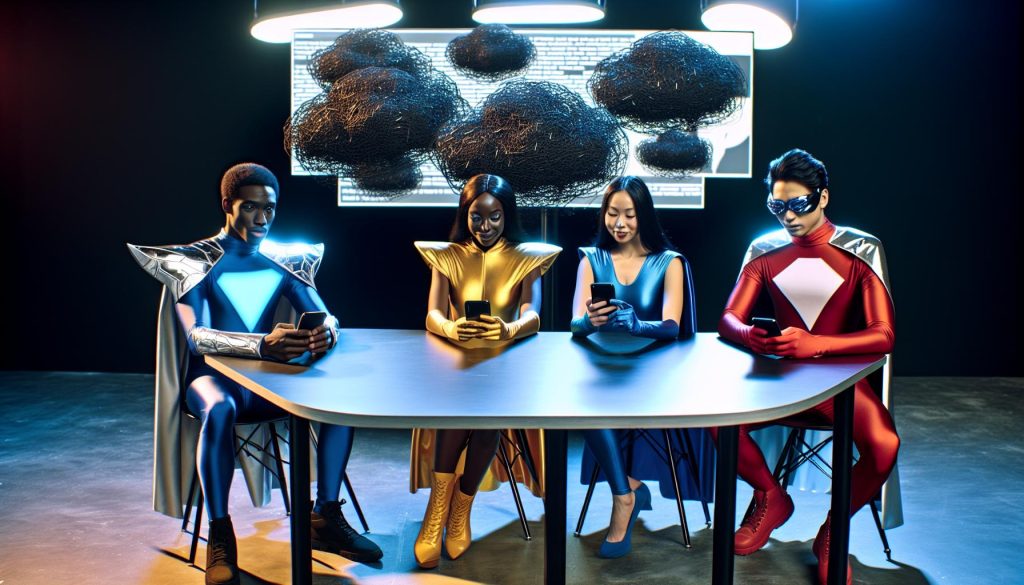
Imagine watching your favorite Marvel superheroes take on the ultimate challenge-not a villain of the universe, but the comments section of Twitter! In “Marvel Cast Reading Mean Tweets: Superheroes vs Twitter Villains,” the cast humorously responds to some of the most savage social media burns aimed at them. This playful segment showcases the intersection of fandom and internet culture, reminding us all of the power-and absurdity-of social media interactions. As we navigate a world where tweets can sting more than a supervillain’s attack, this engaging episode encourages us to embrace the humor in negativity and highlights how even superheroes can’t escape the online critics. Get ready for a laughter-filled journey that proves humor can be the best antidote to online negativity!
Marvel Superheroes: The Ultimate Twitter Clash
Marvel’s superheroes may save the world on screen, but when it comes to Twitter, they’re often pitted against a different kind of foe: the internet troll. Viral sensations like the “Mean Tweets” segment, where beloved cast members read critique-laden tweets about their characters, showcase both the humorous and harsh realities of celebrity life in the digital age. It’s a battleground where even the mightiest Avengers aren’t immune to the whims of online commentary, with fans taking liberties to express their unfiltered opinions in 280 characters or less.
Reading selected tweets during public appearances not only provides comic relief but also serves as a reminder of the power of humor in diffusing negativity. Many actors have leveraged this experience, turning snarky comments into laugh-out-loud moments, often resulting in unexpected camaraderie among the cast. For instance, when Tom Holland read a particularly savage tweet about Spider-Man’s costume, his genuine reaction turned a sting into shared laughter, illustrating how humor can transcend hostility and build a bridge between stars and their fans.
Engaging with mean tweets isn’t just about face value; it’s a nuanced dance with digital personas. Superheroes often embody exaggerated aspects of their characters, allowing them to deflect negativity in a fun way. This not only keeps the tone light but also provides relatable moments for fans, making them feel connected to their favorite characters beyond the silver screen. So, whether you’re rooting for the Iron Man or the Hulk, remember that behind the mask is a real person, often laughing alongside you at the absurdity of it all.
To truly become a part of this Twitter culture, consider adopting a playful approach in your own social media interactions. Embracing humor while addressing negativity can turn potential conflicts into engaging dialogues. Think of it as your superhero training: by responding light-heartedly to criticism, you not only defuse hostility but also curate a more positive online space for yourself and your followers. Just like Marvel’s cast, let your unique voice shine, and remember to wield your words with grace and humor.
Understanding the ‘Mean Tweets’ Phenomenon
In a world where superheroes save cities from destruction, they also face the chaotic battleground of social media-specifically Twitter. The “Mean Tweets” phenomenon has become a cultural touchstone for celebrities, including the beloved cast of Marvel’s cinematic universe. Imagine your favorite heroes reading aloud the cheekiest criticisms and often absurd takes about their characters! This segment highlights the intersection of celebrity, humor, and internet culture, all while showcasing how humor can shine through even the harshest criticisms.
When Marvel stars partake in “Mean Tweets,” they transform potential negativity into comedic gold, using their charm to defuse tension and make the online experience entertaining. For instance, when Chris Hemsworth chuckled at a tweet comparing Thor’s hammer to a mallet, he underscored the light-heartedness that fans love to see. These moments remind us that even heroes deal with feedback-albeit in a different style than the average Joe. The magic lies in their ability to laugh at themselves and create a relatable bridge to their audience, something that greatly enhances their public persona.
Integrating this playful attitude can be beneficial not just for celebrities but for everyday users navigating the tumultuous waters of Twitter. Whether you’re crafting tweets, reading responses, or engaging with critics, consider these strategies to harness the spirit of “Mean Tweets” positively:
- Own Your Narrative: Just like the Marvel stars, embrace the feedback. If you encounter humor targeted at you, transform it into something fun rather than retaliating.
- Find the Funny: Look for light-hearted or absurd elements in criticism and use them to engage with your followers. A witty comeback can earn you more likes than a heated argument!
- Embrace Vulnerability: Share your own humorous missteps or tweets and invite your audience to join in on the fun. Relatability fosters connections!
Ultimately, this phenomenon isn’t just entertainment; it offers a profound lesson on how humor can combat negativity in our digital lives. In the realm of social media, where criticism often masquerades as constructive feedback, superheroes-and their human counterparts-can teach us a valuable lesson: if you wield your words with a dash of wit, you can redefine the narrative. So channel your inner superhero when hitting that tweet button, and remember, laughter might just be the best response to the trolls of Twitter!
Behind the Scenes: Marvel Cast Reactions
Imagine the Marvel cast, decked out in their superhero garb, sitting down to read the meanest tweets directed at them. It’s a wild ride where humor meets heartfelt reactions, creating moments that resonate beyond the screen and into the annals of internet culture. This behind-the-scenes spectacle showcases how these stars flip the script on negativity, transforming potential barbs into laughter-filled anecdotes. When Chris Pratt read a tweet labeling him as the “least interesting” Guardian of the Galaxy, his witty comeback captured the light-hearted spirit of these interactions, making fans chuckle rather than cringe.
Embracing the Trolls
Marvel stars showcase a masterclass in handling online criticism with grace and humor. Their reactions often reflect a deeper understanding of internet culture; rather than taking the jabs personally, they allow themselves to be vulnerable. Mark Ruffalo, for instance, once read a tweet suggesting his Hulk was “sensitive”-his playful reply, acknowledging the truth in that jab, endeared him even more to fans. This blending of self-awareness and playfulness creates a genuine connection, reminding followers that even heroes aren’t exempt from the occasional online roast.
A Lesson in Positivity
The charm of these “Mean Tweets” sessions extends beyond mere entertainment, offering practical lessons for everyday Twitter users. If celebs can brush off criticism with a kind smile and a quick quip, why can’t we? Here are some handy strategies inspired by Marvel’s finest:
- Laugh It Off: Instead of getting defensive, find humor in the critiques. A laugh can diffuse tension and foster a more positive online space.
- Share Your Own Flaws: Just like our heroes, being open about your perceived flaws can turn critics into fans. Relatability is a powerful tool!
- Engage Playfully: Respond with light-heartedness instead of anger. Who knew that a witty comeback could spark joy and engagement?
In a digital realm crowded with negativity, the Marvel cast’s reactions serve as potent reminders of the power of laughter. Whether you’re an internet warrior facing down trolls or simply navigating Twitter’s chaotic landscape, taking a page from the superhero playbook can transform the way you interact online. So, next time you encounter a mean tweet, channel your inner Marvel hero: laugh, engage, and uplift the conversation!
The Power of Humour in Superhero Culture
The realm of superheroes isn’t just about saving the day; it’s also a playground for sharp wit and clever banter-especially when it comes to the infamous “Mean Tweets.” The Marvel cast has shown time and again that humor isn’t just a coping mechanism; it’s a tool for building rapport with fans and diffusing negativity. When actors like Tom Holland and Scarlett Johansson read aloud the meanest comments directed at them, they often counter these personal attacks with laughs, displaying an unexpected layer of vulnerability and relatability. These moments resonate widely, turning intended jabs into opportunities for comic relief and connection.
The key to leveraging humor in superhero culture lies in its transformative power. Rather than allowing negativity to define their public persona, Marvel stars often use humor to redefine the narrative. For instance, when Chris Pratt responded to a harsh tweet about his performance as Star-Lord with a quip that showcased his self-awareness, he not only deflected criticism but also engaged his audience in a humorous dialogue. This approach illustrates that embracing humor can deflect hostility and create a more amiable online environment.
Here are some playful takeaways from Marvel’s humorous stance on online criticism:
- Turn the Tables: Approach mean tweets as opportunities for interaction-replying with a joke or witty comeback can flip a negative into a positive.
- Stay Relatable: Share your own bloopers or quirks; relatability can transform detractors into champions and fans.
- Practice the Art of Timing: Sometimes, waiting to reply can amplify your response. A well-timed jab can enhance the humor and make it even more memorable.
In the world of Twitter, this playful spirit stands out and encourages a culture where laughter overrules animosity. As fans witness their beloved heroes embracing this light-hearted approach, they’re prompted to reflect on their own interactions. The Marvel approach isn’t just entertainment; it’s a powerful reminder that even in a digital space filled with trolls and critics, rising above with humor can reshape interactions and foster a more positive community. So, the next time you stumble upon a mean tweet, channel your inner superhero: respond with a joke, keep it light, and let the laughter triumph!
How Twitter Turns Fans into Villains
In the vast universe of Twitter, fans can morph into the unlikeliest of villains, often driven by a mix of anonymity, impulsiveness, and the addictive nature of viral engagement. While superheroes like the Avengers are all about saving the day, social media platforms can sometimes transform passionate followers into critics armed with mean tweets, creating a hostile environment that feels more like a battlefield than a fan community. This duality is particularly stark when the Marvel cast steps into the line of fire, facing off against the very people who adore their work.
The transformation from enthusiastic fan to online villain often stems from a phenomenon called “online disinhibition.” This term describes how people tend to express themselves more bluntly or harshly when given the anonymity of social media. In the case of Twitter, the character limit invites snappy, often vitriolic comments that can escalate quickly. It’s like a “mean tweets” showdown where the stakes are emotional, but the cost is merely a retweet or a like. The result? Fans who might otherwise celebrate their favorite heroes can instead unleash a barrage of negativity, which not only impacts the recipients but also the perceived culture of fandom itself.
Examples of Transformation
We’ve seen this play out dramatically when Marvel actors read the mean tweets directed at them. For instance, when Tom Holland read a particularly nasty comment about his portrayal of Spider-Man, the response from fans was mixed. Some joined in the mockery, perpetuating the cycle, while others rushed to defend him, illustrating how quickly Twitter can fragment into factions. This phenomenon is not just a subjective observation; studies on social media interactions show that negative comments proliferate because they often receive more engagement than positive ones.
Turning the Villainy Around
So what can fans do to reclaim their superhero status in this digital landscape? Here are some actionable steps:
- Pause Before Posting: Take a moment to reflect on whether a comment is necessary or constructive. This small shift can help foster a more positive online atmosphere.
- Use Humor Wisely: Inspired by Marvel cast members who turn mean tweets into comedic gold, fans can choose to reply with light-hearted jabs rather than harsh critiques. This can defuse what could have been a negative situation.
- Celebrate, Don’t Criticize: Focus on uplifting content, be it through supportive comments or retweeting positive reviews and fan art. Engaging in celebration can help drown out the negativity.
Embracing these strategies could not only help fans evolve back from their villainous personas but also rekindle the sense of community that draws them to their favorite characters in the first place. By promoting positivity, fans can spark a revolution of kindness that echoes the heroic spirit embodied by Marvel’s greatest heroes.
The Psychology of Mean Tweets: Why We Share
In the whirlwind of Twitter, the allure of “mean tweets” can sometimes overshadow the joy of fandom. It’s fascinating how an app that beckons connection and joy can also serve as a battlefield for harsh critiques. The act of sharing mean tweets is often less about the individual tweet’s content and more about the group dynamics and the psychological factors at play. When Marvel cast members read these mean tweets, it showcases not just the wit of the actors but also the complex relationship between fans, humor, and anonymity.
For many, sharing mean tweets taps into a deeper psychological need-whether it’s seeking validation from peers, looking for a sense of belonging, or simply reveling in the thrill of notoriety. The anonymity of social media allows users to express their inner critic without fear of immediate repercussions. The humor associated with sharing mean tweets can create a communal experience where laughter-albeit at someone else’s expense-invites engagement. After all, nothing spreads faster on the internet than a biting joke or a savage burn.
Understanding the Motivation Behind Sharing
When dissecting why we share mean tweets, a few factors emerge:
- Anonymity: The protective veil of anonymity allows users to express thoughts they’d likely keep to themselves in real life. This leads to a more uninhibited and often harsh critique of public figures like Marvel stars.
- Shared Experiences: By sharing these tweets, users feel part of a bigger conversation. It becomes less about the individual comment and more about the shared laugh or shock among followers.
- Escapism: Engaging in humor-especially the dark or savage kind-offers a form of escapism. Fans often find it easier to bond over mutual disdain or humor directed at celebrities, transforming shared frustrations into laughter.
Navigating the Twitterverse with kindness can be tough, but fans can reclaim their power by turning those moments into opportunities for positivity. By consciously choosing to highlight funny or uplifting fan interactions instead, or even crafting humorous retorts that don’t cross the line, fans can reshape the narrative from one of negativity to one of camaraderie.
Memorable Moments: Top Tweets from the Marvel Cast
The Marvel cast isn’t just known for their heroic roles on screen; they’ve also become champions of humor and resilience through social media. The viral series “Mean Tweets,” where celebrities read and react to unfiltered criticism, has offered some unforgettable moments that showcase their wit and ability to turn sting into sass. For many, these moments highlight how even superheroes can take a hit, laugh it off, and come out swinging with a comeback that leaves fans in stitches.
Take, for instance, the legendary Robert Downey Jr., who delivered a classic response to a particularly harsh tweet about his performance as Iron Man: “I’m just glad you’re not in charge of casting!” His playful sarcasm strikes a chord, turning potential negativity into a relatable joke. It’s this blend of vulnerability and humor that resonates with audiences, showing that laughter can be the best shield against trolling.
Unforgettable Comebacks
The relatability of Marvel stars extends beyond their superhero personas. Chris Hemsworth, known for his portrayal of Thor, once addressed a critic with a cheeky twist, saying, “Thanks for your constructive criticism! I’ll be sure to take it to heart… right after I finish saving the universe.” Moments like these showcase how humor can cut through negativity and foster a friendly dialogue, encouraging fans to think twice before firing off a mean tweet.
Fan Engagement and Community Building
Sharing these humorous responses also helps strengthen the bond between the Marvel cast and their fans. When stars like Tom Holland respond with playful jabs or jokes, it creates a sense of community where followers feel more like friends. It’s a reminder that Twitter, despite its chaotic nature, can also serve as a platform for silly fun, friendly banter, and shared human experiences. Fans can learn from these interactions by embracing humor, not taking criticism too seriously, and using social media to uplift rather than tear down.
Ultimately, while mean tweets might be a staple of internet culture, the Marvel cast’s responses prove that it’s possible to turn critique into comedy. By engaging with negativity in a light-hearted way, they not only entertain but also inspire their audience to approach online interactions with kindness and humor, making Twitter a little brighter one tweet at a time.
Famous Twitter Feuds: Superheroes vs Real Life
In the wild realm of Twitter, even superheroes find themselves embroiled in epic feuds that pit Marvel cast members against a spectrum of real-life characters, ranging from critics to internet trolls. This digital battleground has birthed some of the most entertaining exchanges, where wit and sarcasm become the armor against negativity. Notably, these feuds aren’t just entertaining-they’re also enlightening, offering lessons on standing your ground with humor and grace.
Take Ryan Reynolds, who famously turned his experiences into comedic gold. When a particularly nasty tweet about Deadpool’s costume surfaced, Reynolds shot back with a quip that not only highlighted the absurdity of the comment but also showcased his knack for self-deprecation. He responded, “Thank you, but I might still wear this for my next family reunion.” This classic example of a celebrities’ back-and-forth emphasizes the power of not taking oneself too seriously, turning potential offensiveness into a shared joke that resonates with fans and followers.
The landscape of Twitter feuds also features exchanges between Marvel cast members themselves. Consider the friendly rivalry between Chris Pratt and Mark Ruffalo. Their banter often spills over onto social media, where fans feel the palpable camaraderie that lies beneath the jests. Whether it’s Pratt cracking jokes about Ruffalo’s Hulk or Ruffalo daring Pratt to a charity challenge, these instances serve to remind us that even in the face of online criticism, laughter can create connections and diffuse tension.
In navigating these feuds, the takeaway is simple: embrace humor, don’t engage with negativity, and foster a sense of community. Fans watching these exchanges are encouraged to not only laugh along but to also think twice before firing off their own mean tweets. Ultimately, what these superhero feuds offer is a blueprint for online interactions: respond but do so in a way that promotes positivity and humor, elevating the overall Twitter culture instead of dragging it down into the pit of trolling.
Navigating Twitter: Tips for Positive Engagement
In the chaotic world of Twitter, where 280 characters can spark fierce debates or hilarious exchanges, knowing how to engage positively is key to transforming this digital space into a supportive community. As we’ve seen with the Marvel cast, humor and camaraderie can diffuse tension and foster connections. Here’s how you can navigate the Twitterverse while embodying that same superhero spirit.
- Embrace Humor: Just like Ryan Reynolds has shown us, keep your responses light-hearted. If someone throws shade your way, respond with a witty comeback that highlights the ridiculousness of their comment rather than letting it bring you down. Using humor not only disarms negativity but also invites others to join in on the fun.
- Build Your Community: Connect with like-minded individuals who share your interests. Follow those who inspire you, whether they’re fellow fans or influencers. Engaging with others who promote positivity can create a feed full of encouragement, motivation, and laughter.
- Think Before You Tweet: Before hitting that ‘Tweet’ button, pause and consider if your comment contributes to the conversation positively. Are you adding to the dialogue or simply fanning the flames? By being mindful, you’ll cultivate a more conscientious Twitter atmosphere.
- Respond to Negativity with Kindness: In a sea of mean tweets, try counteracting the negativity with kindness. A simple compliment or a positive observation can work wonders. When someone sends a mean tweet your way, respond with understanding or gratitude. This unexpected positivity often leaves trolls puzzled and disarmed.
- Use the Mute and Block Features: Sometimes, the best way to maintain positivity is to cut ties with negativity. Use the mute feature for accounts that drain your energy, and don’t hesitate to block users who consistently spread toxicity. Protecting your mental space is vital for a healthy online experience.
Incorporating these strategies can help you not only survive but thrive in the Twitter universe, echoing the resilience and camaraderie often portrayed by your favorite Marvel superheroes. Remember, just as in the world of superheroes, standing strong in the face of adversity is what counts, and you can be a beacon of positivity in the digital realm!
Creating Your Own Mean Tweets: A Step-by-Step Guide
Creating a mean tweet is like crafting a cheeky one-liner that hits just right; it can be hilarious and thought-provoking, all while capturing the spirit of witty banter. While the internet’s outrage culture might frown upon mean tweets, when done in good fun and with a sprinkle of creativity, they can evoke laughter and camaraderie. If you’re ready to step into the ring-just as the Marvel cast does when they read mean tweets-here’s a playful guide for crafting your own!
Step 1: Identify Your Target
Choose your subject wisely! Whether it’s a beloved superhero, a famous actor, or even a well-known meme, focus on something that resonates with your followers. Make sure it’s someone who can handle the joke-like Deadpool getting roasted about his costume-without taking it personally.
Step 2: Find the Funny Angle
Think about what makes that individual or their work a ripe target for humor. Did that superhero’s latest movie flop? Is the actor known for a signature catchphrase that can be playfully twisted? Here’s where your creativity comes in! Consider using exaggeration, puns, or absurdity to add a twist. For instance: “Good job, [Actor’s Name]! Your movie did so poorly, it’s now in my ‘Do Not Watch’ Hall of Fame!”
Step 3: Craft the Tweet
Now it’s time to string those witty remarks together! Keep it concise; Twitter’s character limit is your best friend here. Play with rhythm and wordplay. If you want to incorporate trending slang or references to current events, go for it! You might say, “Watching [Movie] was like waiting for [Superhero] to finally get a decent script – utterly painful but worth the memes!”
Step 4: Add Some Flair
Consider using emojis, hashtags, or even a GIF to give your tweet some extra zing! A well-placed laughing emoji or a classic meme GIF can elevate your punchline and make it more engaging. Just remember not to overdo it; you want your words to shine through!
Step 5: Hit Send (or Not)
Before you decide to unleash your masterpiece into the Twitterverse, take a second to reflect. Is it lighthearted? Does it invite laughter rather than mean-spiritedness? If you’re confident it’s all in good fun, then go ahead and hit that tweet button! But if there’s any doubt, consider refining your draft-after all, you want to spread joy, not spawn negativity.
By following these steps, you can create mean tweets that channel your inner Marvel hero-emphasizing humor over hostility and reminding everyone that sometimes, laughter is the best responseeven when it comes with a side of sass! So, turn on your creativity, and let your inner comedian take flight!
The Impact of Social Media on Celebrity Perception
In today’s digital age, social media has radically shifted how we perceive celebrities. Platforms like Twitter create a unique environment where public figures, including Marvel superheroes, can interact directly with fans and detractors alike. This immediacy not only humanizes these icons but also opens them up to a whole new realm of scrutiny, praise, and yes, sometimes brutal “mean tweets.” The phenomenon often creates a double-edged sword for stars as they navigate their public personas.
Among the most captivating aspects of social media’s impact is the instantaneous feedback loop it creates. A single tweet can garner thousands of reactions in minutes, shifting public perception almost overnight. Remember when a Marvel actor jokingly responded to a mean tweet? The way they handled criticism could transform a negative narrative into viral hilarity, showcasing their resilience and humor. This dance between vulnerability and strength invites both fans and critics to engage in ways that traditional media never allowed. For instance, Chris Evans or Tom Holland reading mean tweets during late-night shows creates a playful interaction, illustrating that they can laugh at themselves, making them more relatable and endearing.
Additionally, the culture of mean tweets reflects a growing trend of trolling that can sometimes overshadow genuine conversations about celebrity behavior. In our quest for humor, we can often forget the implications of our words. Celebrities discussing their experiences with these critiques-like the Marvel cast has done-can foster important dialogues about mental health and the pressure of public life. By being open about their feelings toward negative comments, they can inspire fans to be kinder, reminding everyone that behind the tweets are real people with real emotions.
Navigating this digital landscape requires more than just wit; it’s essential for celebrities and fans alike to promote positivity. Here are a few tips for engaging with celebrities online while maintaining a healthy and respectful dynamic:
- Use Humor Wisely: If you’re crafting a tweet, aim to be funny but avoid crossing into mean-spirited territory.
- Support Over Critique: Consider complimenting the cast on their work, even amidst jest.
- Think Before You Tweet: Reflect on how your words may affect a person, especially in a public context.
This balance of humor and empathy will not only foster a more positive online environment but allow for richer interactions between fans and the heroes we admire.
What Superheroes Teach Us About Internet Trolls
In the realm of social media, superheroes stand as powerful symbols of resilience and positivity, lesson-givers in a world often chaotic and full of trolls. The Marvel cast’s humorous engagement with mean tweets serves as a masterclass for fans navigating the often hostile online environment. Instead of retaliating with negativity or despair, these actors choose to laugh it off, showcasing a compelling strategy for handling online vitriol. Their lighthearted responses remind us that humor can be a shield against the barbs of internet trolls, turning potential conflict into moments of levity and connection with fans.
Understanding the dynamic between digital superheroes and internet trolls opens up a treasure trove of lessons in digital citizenship. For instance, when one actor pokes fun at their bad haircut in the face of a harsh tweet, it doesn’t just diffuse negativity; it invites conversation and fosters community. This playful defiance illustrates how taking a jab with a smile can promote a more inclusive atmosphere. Fans can learn that being a superhero doesn’t always mean wearing a cape; sometimes, it’s about wielding joy and wit while navigating the complexities of social media engagement.
To emulate this noble behavior, here are some practical strategies for dealing with trolls online:
- Channel Your Inner Superhero: Respond to negativity with humor or kindness. This doesn’t mean you have to ignore genuine criticism, but embracing a light-hearted tone can turn a hostile situation into a shared laugh.
- Be the Role Model: Advocate for positivity in your online interactions. Celebrate kindness and support others by retweeting compliments or positive messages about fellow fans or actors.
- Use Privacy Settings: Just as superheroes train in secret, equip yourself! Familiarize yourself with Twitter’s privacy settings to control who can interact with you, ensuring your online space is a safe haven.
In the end, what we learn from superheroes navigating Twitter squabbles is invaluable. Their ability to fuse humor with resilience becomes a blueprint for online interactions. With some creativity and a dash of cleverness, fans and followers can rise above trolling behavior, becoming ambassadors of positivity in the digital universe. Embrace these superhero lessons as you engage with online content-cultivate an atmosphere of support, kindness, and fun while taking a page out of the book of those daring Marvel heroes!
Frequently asked questions
Q: What are “Mean Tweets” in the context of the Marvel cast?
A: “Mean Tweets” refers to a segment where celebrities, including the Marvel cast, read negative tweets about themselves in a humorous way. This format highlights the juxtaposition of public personas versus the often harsh reality of online comments, providing both entertainment and insight into celebrity culture.
Q: How does the Marvel cast react to mean tweets?
A: The Marvel cast typically reacts to mean tweets with laughter and witty comebacks, turning potentially hurtful comments into light-hearted moments. This showcases their sense of humor and resilience, often strengthening their connection with fans while addressing internet negativity.
Q: What impact do mean tweets have on superhero culture?
A: Mean tweets impact superhero culture by highlighting the disconnect between fictional characters and real-life actors. They promote discussions about celebrity vulnerability and online harassment, illustrating how even beloved heroes are not immune to criticism, thereby humanizing them.
Q: Why do celebrities engage with mean tweets?
A: Celebrities engage with mean tweets to take control of the narrative surrounding their public image. By laughing at negative remarks, they show confidence and resilience, which can endear them to fans and inspire discussions about the effects of social media on mental health.
Q: How can fans participate in creating their own mean tweets?
A: Fans can create their own mean tweets by following a playful approach-using humor and exaggeration without crossing the line into personal attacks. This practice, often shared in a light-hearted context, can be a fun way to engage with the community around superhero culture.
Q: What lessons can we learn from the Marvel cast reading mean tweets?
A: We learn the importance of humor in dealing with negativity and the value of resilience. The Marvel cast demonstrates that laughter can be a powerful tool to counter online trolling and that not taking oneself too seriously can foster a positive atmosphere in public discourse.
Q: Are there any notable moments from the Marvel cast reading mean tweets?
A: Notable moments include actors delivering hilarious rebuttals or sharing their favorite comebacks, with reactions that often go viral. These moments serve not only as entertainment but also as examples of how celebrities can turn negativity into positivity, creating memorable interactions with fans.
Q: How do mean tweets reflect the psychology of social media behavior?
A: Mean tweets reflect a complex psychology where anonymity can lead to harsher comments. They reveal tendencies for people to project frustrations online, showcasing how social media can amplify negative behavior while also providing a platform for humor and connection through shared experiences.
Future Outlook
What an epic time we’ve had with the Marvel cast reading mean tweets about superheroes versus Twitter villains! If you loved the laughs, don’t miss our deeper dive into Twitter culture and how to navigate those viral trends like a pro. Check out our guides on crafting the perfect tweet and boosting your follower count for more insights!
Feeling inspired? Join our community by subscribing to our newsletter for the latest social media tips and meme analysis-don’t let those trends pass you by! Before you go, drop a comment with your favorite tweet from the episode. Let’s keep the conversation going and ensure you’re always in the loop with entertaining content that doesn’t just make you laugh but also helps you shine online!


