
In a world where social media is rife with opinions-both good and bad-Lil Wayne’s recent appearance on “Mean Tweets” serves as a reminder of how even rap legends can face criticism online. Watching him flip the script on haters with fiery bars not only highlights his resilience but also showcases the playful side of dealing with negativity. As fans, we all relate to the struggle of overcoming online trolls, and Wayne’s sharp responses offer a masterclass in turning insults into entertainment. Curious about how the rap maestro handles his critics? Dive in as we explore the hilarious and sometimes savage moments from this segment that prove why Wayne remains iconic in the face of adversity!
Lil Wayne’s Viral Mean Tweets Explained
Lil Wayne’s appearance in the “Mean Tweets” segment on “Jimmy Kimmel Live!” provides a delightful glimpse into the playful side of rap culture, as the celebrated artist takes a momentary detour from his usual lyrical prowess to address the not-so-nice words of fans and critics alike. These segments, while often highlighting hurtful or crude tweets, allow the featured artists to react with humor and wit, transforming potential negativity into shared laughter. It’s a smart strategy that showcases the artists’ personalities and resilience in the face of online criticism, making it clear that even the biggest stars can take a joke – or in this case, a mean tweet.
In Wayne’s segment, he reads a particularly biting tweet and delivers a signature punchline that not only counters the negativity but also entertains viewers. This blend of comedy and rap is pivotal in understanding how social media shapes perceptions, allowing artists like Wayne to build a rapport with fans while simultaneously shrugging off detractors. The ability to laugh at oneself is instrumental in maintaining relevance in an ever-evolving digital landscape. Moreover, Wayne’s engagement with these tweets reflects a broader trend where celebrities turn online hate into viral content that strengthens their brands.
For fans eager to replicate this savvy use of the Twitter platform, consider these approaches:
- Embrace Humor: When faced with criticism, humor is often the best defense. Craft witty comebacks or playful responses that can turn negativity into a source of engagement.
- Be Authentic: Authenticity resonates with audiences. Share genuine reactions combined with a lighthearted tone to foster a deeper connection with your followers.
- Monitor Your Mentions: Keeping an eye on your social media mentions can help you spot potential content for engaging interactions or even fun ‘mean tweets’ segments.
Lil Wayne’s expert navigation through the choppy waters of online criticism not only enhances his legendary status but also exemplifies how humor can play a transformative role in modern celebrity culture. His approach offers a roadmap for anyone looking to effectively manage their social media presence while enjoying the ride.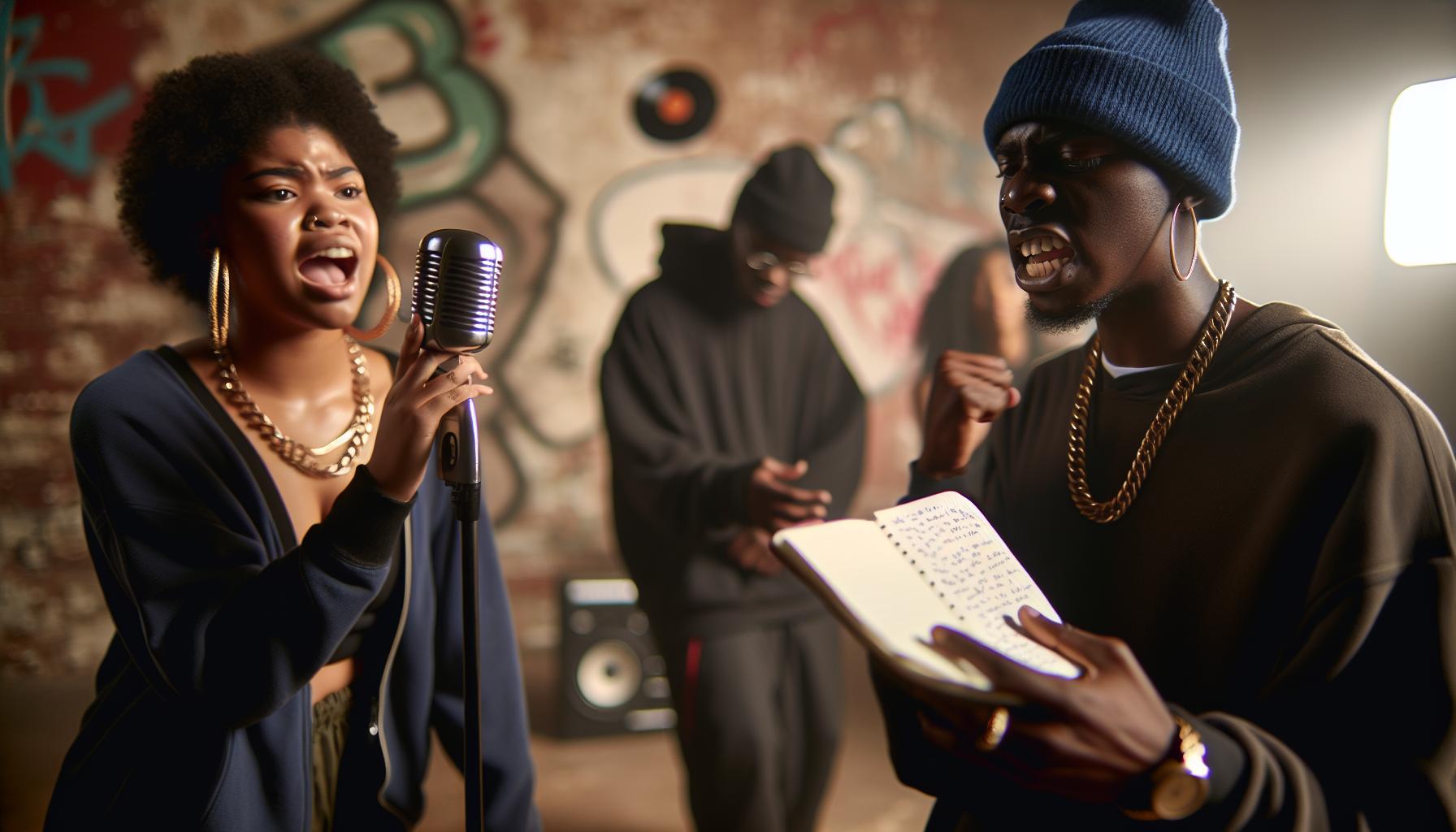
The Art of Fire Bars in Hip-Hop
In the world of hip-hop, delivering incisive and impactful lyrics is an art form that sets legends apart from the crowd. Lil Wayne, known for his clever wordplay and intense delivery, showcases this mastery not only in songs but also in his responses to critics-particularly in segments like “Mean Tweets.” When faced with online insults, Wayne transforms negativity into razor-sharp retorts, proving that his lyrical prowess extends beyond the studio. A well-crafted line can shift the narrative, turning a hater’s jab into a viral piece of bravado.
The beauty of “fire bars” rests in their dual ability to entertain and dismantle critiques. Wayne’s signature style often incorporates punchlines that are as clever as they are cutting. For instance, when he faces a particularly biting tweet during the “Mean Tweets” segment, his comeback doesn’t just aim to defend; it often includes layered humor that resonates with his audience. This strategy is not just about clapping back; it’s about elevating the conversation and reminding listeners of his place in the rap hierarchy.
Crafting Your Own Fire Bars
Want to channel your inner Wayne? Here are some tips to help you craft your own sharp comebacks, whether in a tweet or a freestyle:
- Wordplay is Key: Use puns, double entendres, and clever twists to create lines that stick. Think about how you can turn a common phrase upside down.
- Personalize Your Approach: Inject your experiences or feelings into your bars. Authenticity resounds with listeners and adds depth to your humor.
- Keep it Quick: The best replies are often succinct. A brief yet poignant line can hit harder than a lengthy dissertation.
By embracing these techniques, anyone can take a page from Lil Wayne’s book and turn the tables on negativity, just as he does in his engaging responses. The ability to flip criticism into art showcases not only your creativity but also your resilience in the face of challenge-key traits that define a rap legend.
Analyzing Lil Wayne’s Hater Clapbacks
When it comes to clapback culture, few do it better than Lil Wayne. His participation in Jimmy Kimmel’s “Mean Tweets” segment showcases his unique ability to transform online negativity into comical retorts that are both clever and memorable. These moments highlight not just his lyrical talent, but also his deep understanding of social media dynamics. In a world where a witty comeback can go viral, Wayne leverages humor and sharp wordplay to flip the script on his detractors, turning their insults into opportunities for laughs and self-empowerment.
One key aspect of Wayne’s clapbacks is his approach to humor. Rather than getting defensive, he embraces the punchline, crafting a response that often leaves his critics in stitches-or even embarrassment. For instance, when one hater accused him of being “washed up,” Wayne might respond with a clever quip that not only defends his current status but also poke fun at the existence of haters in general. This playful demeanor not only reinforces his confidence but encourages fans to rally around him, elevating his status within the community.
To emulate Wayne’s style, consider these tips for crafting your own cutting responses online:
- Stay Lighthearted: Humor is key. Use punchlines that can make your response funny while still defending yourself.
- Be Witty: Clever wordplay and puns can defuse tension and elevate your comeback. Think creatively about how to reinterpret the insult.
- Engage Your Audience: Tailor your clapback to resonate with your followers. They’ll appreciate if you include shared experiences or inside jokes.
At the heart of Wayne’s clapbacks is a recognition of the power of social media as a tool for both connection and conflict. By analyzing his signature style, aspiring rappers and social media users alike can learn the art of verbal resilience. Whether you’re aiming to shine brighter than your critics or just looking for a laugh, channeling Wayne can provide the spark you need to turn negativity into a moment of unexpected joy.
Impact of Twitter Culture on Celebrity Feuds
In the fast-paced world of social media, a single tweet can spark heated debates and escalate celebrity feuds faster than any tabloid headline. Twitter culture has transformed how public figures interact with fans and critics alike, turning personal vendettas into viral moments that can either crush a reputation or catapult someone back into the limelight. For artists like Lil Wayne, who deftly navigates this digital landscape, the platform serves as both a battleground and a stage for showcasing his sharp wit.
When celebrities engage on Twitter, it often blurs the lines between personal and public personas. A single sarcastic comeback or a well-timed jab can lead to a cascade of retweets, memes, and commentary. This phenomenon not only amplifies the initial insult but also generates a back-and-forth that can dominate trending topics. Lil Wayne’s participation in Jimmy Kimmel’s “Mean Tweets” segment exemplifies this dynamic perfectly; he takes the often nasty critiques hurled at him and flips them into moments of comedy gold, enhancing his image as a resilient artist who doesn’t take himself too seriously. This move shifts the power away from the critics, allowing Wayne to reclaim the narrative surrounding him.
Engaging in confrontational exchanges on Twitter can also forge unexpected connections with fans who relish the drama. People love feeling part of a larger narrative, especially when their favorite artist responds to the noise. For those looking to engage in similar banter, consider the following strategies to navigate celebrity feuds online:
- Master Timing: Tweeting during peak hours when your audience is most active maximizes the chances of your response going viral.
- Use Humor Wisely: A hilarious comeback resonates more than an angry reply, potentially endearing you to fans and detractors alike.
- Stay Authentic: Authenticity engages followers; they want the real you behind the tweets, so don’t shy away from expressing your thoughts and feelings.
Ultimately, Twitter culture encourages a more dynamic form of conflict resolution and promotes a sense of community among followers. This playful exchange transforms ordinary interactions into dramatic narratives, providing entertainment while simultaneously reinforcing the artist’s brand. In this electrifying arena, every tweet could very well set the stage for future hits-or feuds-showing just how influential social media has become in shaping the public perception of stars like Lil Wayne.
Best Lil Wayne Lyrics Targeting Critics
Whether you’re an avid fan or a casual listener, there’s no denying that Lil Wayne has a way with words-especially when it comes to shutting down his critics. His lyrical prowess often takes center stage in contexts far removed from the traditional rap battle; instead, he delivers heat through clever barbs that are both entertaining and biting. A prime example is his appearance on Jimmy Kimmel’s “Mean Tweets,” where he turned nasty remarks into comedic gold, reinforcing his reputation as a resilient artist.
Lil Wayne’s ability to weave his personal experiences and critiques into his lyrics is one of his defining characteristics. He doesn’t just respond to his detractors-he elevates the conversation with sharp wit that resonates with fans and followers alike. From addressing haters directly to employing metaphorical jabs, Wayne’s lyrics come packed with punchlines. Tracks like “Mr. Carter” and “Fireman” showcase how he addresses the naysayers, using their criticism as fuel to assert his dominance in the rap game. For example, in “Fireman,” he brags about his talent and success despite the noise from critics, declaring his unmatched position in hip-hop.
Why Funny Lines Hit Hard
What makes Wayne stand out is his use of humor, which not only lightens the mood but also allows him to connect with listeners on a deeper level. When he wraps a critique in a clever double entendre or a humorous quip, it dilutes negativity into something fans can rally behind. His memorable lyrics serve as a reminder that resilience often comes with a smile, showing that nothing can truly shake him, not even the harshest hate.
To keep the fun going, here are a few strategies for engaging with your own haters online, inspired by Wayne’s approach:
- Embrace the Humor: Don’t take negativity too seriously-use humor to flip the narrative.
- Amplify Your Voice: Use your platform to respond directly to critics in a way that is authentic and engaging.
- Celebrate Your Wins: Like Wayne, make sure to remind everyone of your accomplishments amidst any criticism.
Ultimately, Lil Wayne’s fire bars not only underscore his lyrical ingeniousness but also serve as a masterclass in how to handle criticism-turning what might typically demoralize others into stepping stones toward greater heights. As he showcased on “Mean Tweets,” he can laugh at himself while continuing to reign supreme in the rap world. For fans and followers, this blend of humor and fierce talent only amplifies his status as a legend.
How Lil Wayne Uses Humor in Raps
When it comes to navigating the often treacherous waters of social media, humor is a powerful tool, and nobody wields it quite like Lil Wayne. His knack for infusing comedy into his raps not only makes his tracks memorable but also allows him to tackle criticism in a uniquely engaging way. When Lil Wayne took to Jimmy Kimmel’s “Mean Tweets,” his ability to turn biting comments into comedic gems demonstrated how laughter can diffuse negativity and transform hater remarks into entertainment. This approach resonates perfectly with internet culture, where memes and viral content often thrive on clever twists and humor.
Wayne’s lyrical style often includes double entendres and witty punchlines that elevate his responses to critics. For instance, in tracks like “A Milli,” he doesn’t just flaunt his prowess; he does so with a playful flair that invites listeners to chuckle alongside him. By using humor, he creates a connection with his audience that turns potentially harsh critiques into relatable anecdotes. This method is not just about being funny; it’s a strategic move to assert dominance while simultaneously showcasing his personality.
In a world filled with online trolls, employing humor can act as a defense mechanism and a way to engage your audience. Here are some practical tips to emulate Wayne’s style:
- Keep It Light: When addressing criticism, find a way to infuse humor into your response. This could be through a clever tweet or a playful lyric.
- Showcase Your Personality: Authenticity resonates with followers. Let your humor shine through to make your responses feel genuine.
- Use Social Media Wisely: Platforms like Twitter and Instagram are perfect for quick, witty comebacks. Craft responses that not only address the criticism but also entertain your audience.
Ultimately, Lil Wayne exemplifies the power of humor in rap and social media. By turning negativity into laughter, he transforms potential slights into moments of connection with his fans. For anyone navigating the online landscape, emulating his blend of wit and resilience can help turn the tide on criticism, making it an opportunity for engagement rather than a setback. Whether it’s through a lyrical quip or a clever tweet, humor allows you to reclaim your narrative and resonate with your audience in a vibrant, authentic way.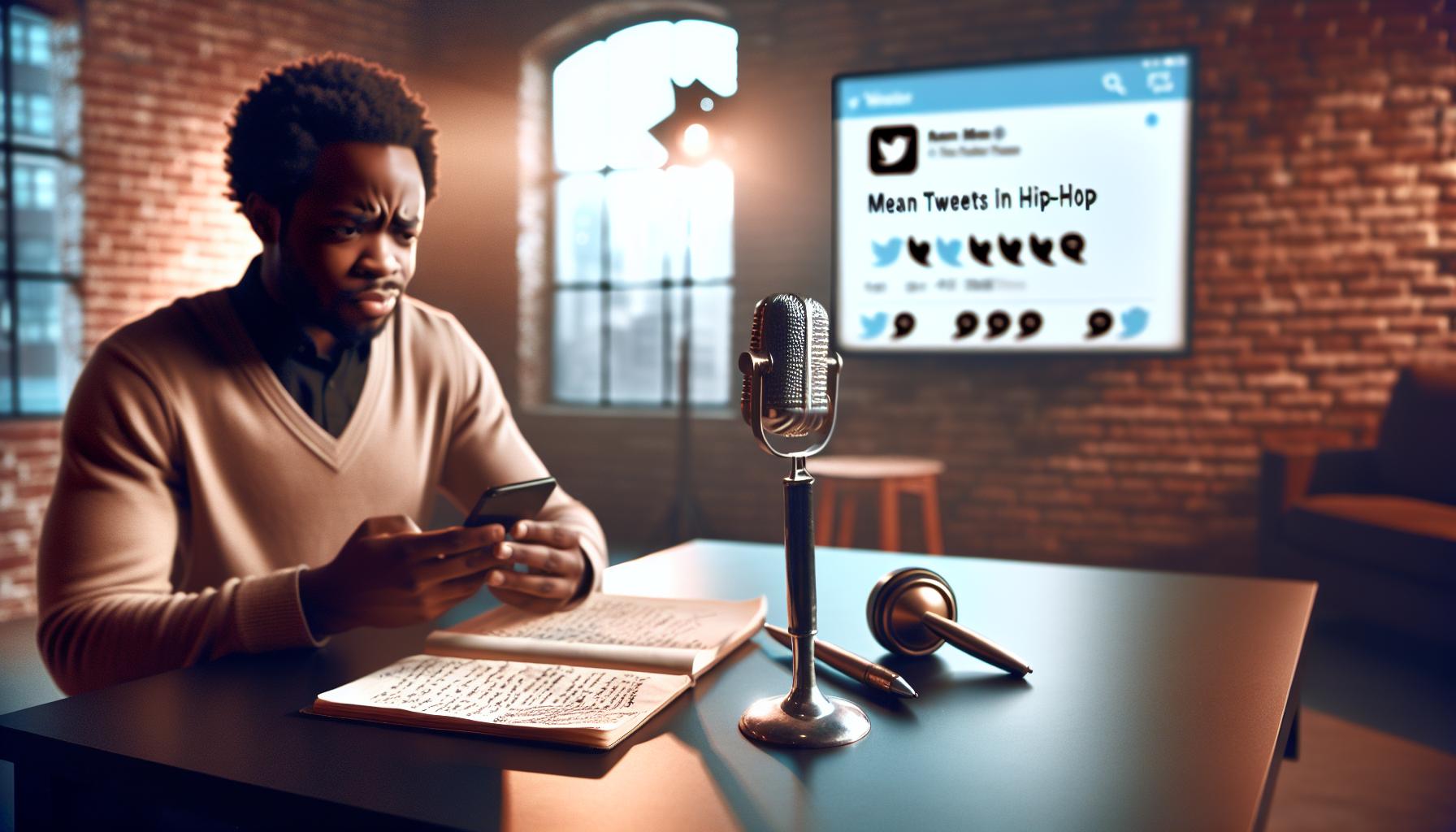
The Evolution of Mean Tweets in Hip-Hop
In the age of social media where every thought can be just a tweet away, the hip-hop community has transformed its interactions with fans and critics alike, embracing the art of ‘mean tweets’ as both a playful jab and a form of self-expression. This concept has evolved from mere trolling to a celebrated segment of pop culture, where artists respond to negative comments and critiques with humor and flair. Lil Wayne, a rap legend, epitomizes this evolution with his memorable renditions on platforms like Jimmy Kimmel Live!, where he shows that even biting remarks can be turned into comedic gold.
The Comedy Behind the Criticism
This approach began as a simple acknowledgment of the harsh realities celebrities face online but has morphed into a creative battleground for hip-hop artists. Instead of responding with hostility, rappers like Wayne leverage their lyrical skills to craft witty retorts packed with double entendres and clever punchlines. Such tactics not only entertain but also disarm critics, turning what could be damaging commentary into a shared laugh among fans. For instance, when Lil Wayne reads mean tweets, he not only reacts but elevates the moment, igniting viral content that fans-both supporters and skeptics-can rally around.
Advice for Engaging with Critics
If you’re an aspiring artist feeling the pressure from online responses, here are a few tips to channel your inner Lil Wayne:
- Create a Response Strategy: Plan how you want to address negativity. A humorous comeback can often defuse a tense situation and showcase your personality.
- Leverage Your Platform: Use Twitter and Instagram to directly engage with critics. Crafting snappy replies can boost your engagement and resonate with your audience.
- Embrace Authenticity: Staying true to yourself while responding to criticism can cultivate a genuine connection with your followers. Remember, fans appreciate realness!
The evolution of mean tweets within hip-hop reflects a broader cultural shift towards humor in the face of adversity. Today, rather than simply enduring the weight of unkind words, artists like Lil Wayne demonstrate how to transform those moments into opportunities for connection and engagement-an invaluable skill in our digital age. So, next time you see a rapper going toe-to-toe with online trolls, remember that laughter is often the best weapon in this virtual arena.
Fan Reactions to Lil Wayne’s Mean Tweets
Fans have taken to social media in droves to react to Lil Wayne’s hilarious and pointed readings of mean tweets, and it’s a sight to behold! Each episode serves as a reminder that even rap legends face scrutiny from internet trolls, but they can also turn negativity into a viral spectacle. When Wayne pulls off a perfect clapback, Twitter erupts with support and laughter, showcasing the community’s appreciation for his quick wit and undeniable charisma.
As viewers tune in, they frequently share their favorite moments, often using hashtags to keep the trend alive. Fans love to meme his expressions and reactions, turning his mean tweet readings into shareable content that circulates across platforms like TikTok and Instagram. Comments like “Wayne really took that hate and flipped it like a chef!” illustrate how admirers are inspired by his ability to defuse tensions with humor. The collective response not only highlights Wayne’s status as a fan favorite but also creates a sense of solidarity among listeners who appreciate a good comeback.
Online, conversations about his mean tweets often branch into discussions about the broader implications of social media in the hip-hop community. Fans see Wayne’s playful attitude as an empowering example: instead of shying away from critics, he faces them head-on, adding layers to his persona. This approach resonates deeply, especially among younger fans navigating their own online interactions. They find encouragement in his example, learning that humor can be a strong defense against negativity.
In short, the illustrate a vibrant mix of admiration, humor, and relatable experiences. His skillful handling of trolling not only entertains but also creates a powerful dialogue around the relationship between artists and their online personas. As memes, threads, and reactions continue to flood social media, Lil Wayne’s knack for turning mean tweets into moments of joy remains a testament to the creativity flourishing within hip-hop culture.
Comparing Lil Wayne’s Tweets to Other Artists
Lil Wayne’s ability to mix humor with a razor-sharp edge in his mean tweets sets him apart in the hip-hop arena. His comebacks have become stuff of legends, often drawing comparisons to other artists who have faced off against critics online. Unlike some of his peers, who might take a more aggressive or defensive approach, Wayne channels his energy into clever punchlines that both entertain and engage his audience, creating a signature style that resonates well within internet culture.
When we look at how Wayne’s responses stack up against those of fellow artists, there’s a noticeable trend. For example, artists like Cardi B and J. Cole handle online criticism in styles that are distinctly their own. Cardi is known for her fiery and unapologetically blunt responses, which can often escalate feuds or stir the pot more dramatically. On the other hand, J. Cole tends to take a thoughtful, introspective approach, using social media as a platform to provoke deeper conversations rather than resorting to comedic clapbacks. In contrast, Wayne’s humor serves as both a shield and a sword; it deflects negativity while simultaneously turning the tide of discourse in his favor.
This unique approach by Wayne has garnered massive fan engagement, transforming even the simplest mean tweets into viral content that spreads across platforms like Instagram and TikTok. It’s not just about the clapbacks; it’s the way he crafts his responses that makes them memorable. Memes of his hilariously perplexed expressions during the “Mean Tweets” segment often dominate social feeds, morphing his reactions into shareable moments that fans can rally behind. A well-timed one-liner from Wayne can spread like wildfire, showcasing just how effective humor can be in disarming critics.
In the grand landscape of social media and hip-hop, Wayne’s mastery lies in his ability to adapt and innovate. His viral moments serve as a guide for aspiring artists and fans alike, illustrating the power of humor as a tool for engagement and resilience. Whether you’re a seasoned rapper or someone navigating their own online journey, Wayne’s blend of wit and charm offers a playbook on how to turn criticism into content that connects with the masses.
Understanding the Role of Social Media in Rap
In today’s digital landscape, social media serves as a double-edged sword for artists, especially in the realm of hip-hop. Platforms like Twitter and Instagram can elevate careers, but they can also expose artists to criticism and scrutiny at an unprecedented scale. This dynamic makes Lil Wayne’s approach to mean tweets not only entertaining but a masterclass in using social media to navigate the often turbulent waters of online fame. Wayne has leveraged these platforms not just to engage with fans, but to expertly roast his critics, showcasing his resilience and wit.
Social media has fundamentally changed how artists interact with their audiences. Rather than relying solely on traditional media outlets, rappers now have direct channels to communicate, defend, and even entertain. When Lil Wayne reads mean tweets, his reactions become viral sensations, morphing into memes that fans eagerly share. This spontaneous engagement turns potentially negative criticism into moments of laughter, and helps him maintain a lighthearted image. His responses show a keen awareness of Twitter culture and its punny, meme-driven landscape, allowing him to stay relevant and relatable to a younger audience.
To thrive in this environment, here are some essential tips for artists navigating their online presence:
- Stay Authentic: Don’t be afraid to show your personality, just like Wayne does. Authenticity resonates deeply with audiences and builds stronger connections.
- Respond Creatively: Use humor and creativity to address criticism. A clever clapback can turn a hater into a fan, all while making for shareable content.
- Know Your Platform: Each social media platform has its nuances. Tailoring your content to fit Twitter’s snappy formats or Instagram’s visual preferences can enhance engagement.
- Engage, Don’t Ignore: Ignoring critics can sometimes be seen as weakness. Engaging with them (in a witty way!) can flip the narrative and showcase your strength.
As Wayne navigates the finely balanced tightrope of fame and online interaction, he sets an example for emerging artists. The evolution of social media’s role in rap is ongoing, with platforms constantly changing how music and personality intersect. Mastering this landscape could mean the difference between local recognition and global superstardom. So whether you’re posting a new track or reading mean tweets, remember: engaging with humor and authenticity can turn any interaction-positive or negative-into a launchpad for your career.
What Makes Lil Wayne a Rap Legend?
Lil Wayne stands as a titan in hip-hop, not just for his lyrical prowess but also for his ability to adapt to and embrace the digital age, notably through his iconic Mean Tweets segments. These viral moments highlight his unique blend of humor and street-savvy wisdom, letting fans see a lighter side to the often intense landscape of rap. The way he crafts his responses to online criticism showcases not just resilience but also an impressive command over language and wit, essential traits that solidify his legendary status.
Fans appreciate that Wayne isn’t afraid to engage with his critics, flipping negativity into something entertaining. This strategy transforms potential backlash into shareable, laugh-inducing content. His responses are imbued with playful sarcasm and clever punchlines, which resonate with Twitter culture-quick, sharp, and ready for retweets. It’s this mastery of social media engagement that keeps him relevant among younger audiences, offering a masterclass in how to handle online hate while reinforcing his brand as the ultimate comeback kid.
The sheer volume of his discography, ranging from “Lollipop” to collaborations with the biggest names in hip-hop, cements his versatility. His ability to seamlessly shift between styles and themes allows him to cater to various demographics while addressing the emotional landscape of his listeners. Whether he’s delivering hard-hitting bars or lighthearted comebacks, Wayne captures our attention by being authentic and unapologetically himself.
For artists looking to carve their own path, Wayne’s approach offers valuable lessons in navigating social media interactions. It’s not just about sharing music; it’s about building a narrative that fans can connect with. Here are some tips pulled straight from Wayne’s playbook:
- Embrace Feedback: See criticism as an opportunity, not a setback.
- Stay Humorous: A good joke disarms negativity and invites engagement.
- Be Yourself: Authenticity breeds loyalty; don’t shy away from showing your true colors.
- Use Multimedia: Memes and videos are powerful tools for storytelling and connecting with fans.
Through the lens of social media, Lil Wayne’s legacy is not solely defined by his musical genius; it’s also about how he integrates humor and personal engagement into his repertoire. Recognizing the power of digital interaction, he has set a precedent for future generations of artists, guiding them on how to thrive in an era where the line between public persona and private individual has never been blurrier.
The Influence of Comedy in Rap Music
In the world of rap, humor isn’t just a footnote-it’s a pivotal part of the narrative. Lil Wayne exemplifies this perfectly, turning online criticism into viral moments with his appearances on the “Mean Tweets” segment. These segments not only showcase Wayne’s sharp wit but also underscore the immense influence of comedy within hip-hop culture. In a genre often marked by bravado, the ability to laugh at oneself becomes a powerful tool that breaks down barriers and fosters connection with fans.
Comedy in rap helps to humanize artists, reminding the audience that these stars are just as susceptible to critiques as anyone else. Wayne’s responses to haters often blend sarcasm with clever wordplay, illustrating how humor can transform negativity into shareable content. It’s not just about dishing out a quick comeback; it’s about crafting a narrative that resonates with his audience. Social media platforms, particularly Twitter, provide an ideal stage for this kind of interaction, where witty retorts can turn into trending hashtags overnight, further cementing an artist’s presence in the public eye.
Embracing humor also allows artists to explore deeper themes within their music. When Lil Wayne tackles serious subjects, the occasional light-hearted line or playful jab provides a necessary balance, making the overall message more relatable. This dynamic interplay between humor and lyrical depth ensures that tracks resonate on multiple levels, appealing to a broader audience. For fans, these comedic elements can serve as a source of relief in a world that’s often heavy, showcasing the lighter side of hip-hop.
Practically speaking, aspiring artists should consider adopting a similar approach. Engaging with your audience through humor can lead not only to increased relatability but also to a more robust online presence. Consider sharing funny anecdotes or playful responses to fan comments. Utilizing humorous content like memes or TikToks can also enhance connection. Embrace the wave of comedy within your art; it can significantly amplify your impact on social media while keeping your vibe authentic and approachable.
Faq
Q: What are the funniest insults Lil Wayne faced in the Mean Tweets segment?
A: In the “Mean Tweets” segment, Lil Wayne humorously reacted to insults like being compared to a gremlin after drinking Four Loko, showcasing his ability to take critique in stride and deliver witty comebacks. For more insights, check out “Analyzing Lil Wayne’s Hater Clapbacks.”
Q: How does Lil Wayne’s approach to criticism differ from other rap artists?
A: Lil Wayne often uses humor and clever wordplay in response to criticism, setting him apart from other artists who may react defensively. His laid-back attitude towards insults, as seen in “Mean Tweets,” highlights his unique style. Explore “Comparing Lil Wayne’s Tweets to Other Artists” for more comparisons.
Q: What impact do Lil Wayne’s Mean Tweets have on fans and his image?
A: Lil Wayne’s participation in “Mean Tweets” enhances his relatable persona and connects with fans through humor. It helps maintain his image as a confident artist who can laugh at himself, increasing his popularity. Dive deeper into “Fan Reactions to Lil Wayne’s Mean Tweets.”
Q: Where can I watch Lil Wayne’s Mean Tweets segment?
A: You can watch Lil Wayne’s “Mean Tweets” segment on platforms like YouTube or through official clips shared by “Jimmy Kimmel Live!” These videos showcase both the comedic insults and Wayne’s entertaining reactions.
Q: Why is humor important in Lil Wayne’s music and public persona?
A: Humor in Lil Wayne’s music and public persona helps him connect with a wider audience, making his art more accessible. It balances serious themes with lightness, demonstrating versatility. Check out “How Lil Wayne Uses Humor in Raps” for an in-depth look.
Q: How does Lil Wayne’s response to trolls reflect Twitter culture?
A: Lil Wayne’s witty responses to trolls reflect the playful yet aggressive nature of Twitter culture, where quick, sharp retorts can define public perception. His approach shows how artists navigate this digital landscape. For more on this, see “Impact of Twitter Culture on Celebrity Feuds.”
Q: What lessons can aspiring artists learn from Lil Wayne’s Mean Tweets reactions?
A: Aspiring artists can learn the importance of humility and humor in handling criticism from Lil Wayne’s reactions. Embracing negativity with a playful attitude can enhance their image and engage their audience effectively. Explore “The Art of Fire Bars in Hip-Hop” for more tips on this strategy.
In Conclusion
As we wrap up this dive into “Lil Wayne Mean Tweets: Rap Legend’s Fire Bars Against Haters,” it’s clear that even the biggest stars face criticism, but they know how to turn it into gold! Want to catch more wild moments from your favorite artists? Check out our breakdown of the latest Mean Tweets featuring other hip-hop legends like 50 Cent and A$AP Rocky, or discover how to navigate the wild world of Twitter culture with our guide on best practices for social media.
Don’t miss out! Hit that subscribe button to keep up with the latest trends in hip-hop and beyond! Engaging with us means you’ll stay informed about all things viral, from clever comebacks to must-see social media moments. We love hearing from you, so drop your thoughts in the comments and share your favorite lines from Lil Wayne! Your voice matters here, so let’s keep the conversation going!


