
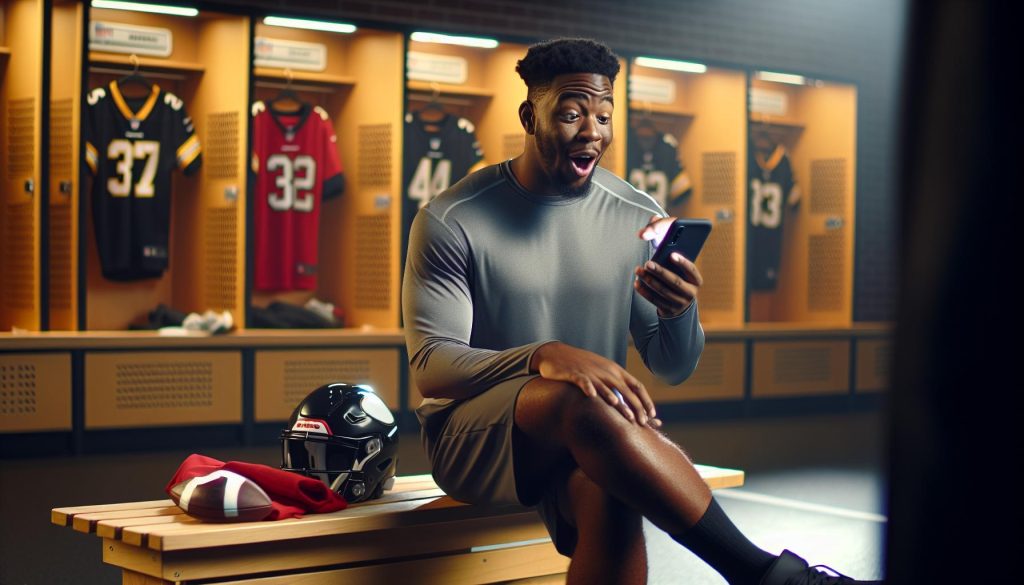
In the wild world of social media, professional athletes often find themselves under the spotlight-not just for their incredible plays, but for the witty and sometimes savage responses they unleash in the face of online criticism. “Football Mean Tweets: NFL Stars’ Most Savage Social Responses” captures these hilarious moments, showcasing how players turn the tables on their critics with humor and style. Did you know that many of these tweets both entertain and humanize these stars, reminding us they face the same online trolls as anyone else? As you dive into this collection, you’ll discover not just laughs, but insights into the personalities behind the pads. This exploration of NFL stars’ most iconic comebacks not only highlights the power of social media in shaping public perception but also serves as a playful reminder of the importance of resilience and humor in the digital age. Buckle up for a ride through viral tweets that blend quick wit with the unpredictability of NFL culture!
Football’s Savage Social Media Roasts
When it comes to the NFL, social media isn’t just a platform for news-it’s a battlefield where players flex their wit and fans engage in savage banter. The phenomenon of “Mean Tweets” has become a staple of this culture, showcasing athletes not just as competitors on the field, but as personalities who can dish out and take a joke. These moments of humor add an engaging twist to the often serious and competitive nature of professional sports. With a tweet here and a clap back there, NFL stars turn simple remarks into viral content that resonates beyond the football field.
The key to a successful social media roast lies in the balance between humor and strategy. NFL players often find themselves at the mercy of fans’ clever quips and roast-worthy commentary. When players respond, it isn’t just about the immediate comeback; it shapes their online persona and influences how fans perceive them. Using humor effectively can bolster an athlete’s brand, drawing in followers who appreciate their ability to laugh at themselves instead of becoming defensive. This has led to a whole new playbook for engaging with fans, where a well-timed joke can lead to viral success.
Consider the ripple effects of these exchanges. Social media strategy has evolved to embrace the power of humor as a marketing tool, allowing players to cultivate a more relatable image. By employing clever comebacks, NFL players can capitalize on trending hashtags or memes, turning even the most mundane comments into opportunities for engagement. Additionally, fan reactions play a huge role; a post that makes fans laugh fosters a community feeling, aligning them more with their favorite players beyond just stats and scores. The interplay between fans and players has transformed social media into a dynamic arena where banter thrives, emphasizing the importance of personality in branding.
As the landscape of social media continues to evolve, players need to harness their unique voices effectively. Whether through memes, quick-witted replies, or even playful jabs, these “savage social media roasts” enrich the sports narrative, making it more colorful and engaging for everyone involved. So, the next time you read a mean tweet about an NFL star, remember-it’s not just a roast; it’s a strategic play in the game of public perception!
The Art of the Mean Tweet: NFL Style
In the world of the NFL, where physical prowess meets digital savvy, the art of the roguish “mean tweet” has emerged as a defining feature of player-to-fan engagement. This is no surprise, given that the sport itself thrives on rivalries and fierce competition, but now that intensity has found a new outlet on social media platforms like Twitter. In this scene, athletes have become comedians, wielding their Twitter accounts like modern-day swords, slashing through the mundane with witty and often biting humor.
The best mean tweets often tap into shared experiences-be it on-field blunders, dubious fashion choices, or even off-field antics. Take, for example, the viral moment when a player clapped back at a fan who mockingly critiqued their performance. The humorous rejoinder didn’t just entertain; it stirred conversations, showcased the athlete’s personality, and further engaged fans. This method of reprisal not only sparks laughter but also humanizes players, reminding fans that their heroes are just as fallible as anyone else.
When diving into the mechanics of crafting a killer mean tweet, timing and tone are crucial. A well-timed jab, perhaps in response to a trending topic or after a recent game defeat, can amplify its reach and impact. To maximize engagement, players should aim for replies that are:
- Short and snappy: Brevity is key on Twitter, where attention spans are limited.
- Contextual: Referencing current events or popular memes can make a tweet more relatable.
- Self-aware: Players who can laugh at themselves tend to win over fans more than those who defend their egos.
In a 2020 viral moment, an NFL star joked about his own missteps in a game, responding to a fan’s jibe with a playful self-deprecating tweet that instantly went viral. Such exchanges not only draw laughter but also foster a sense of community, as fans resonate with the humor and often share their own thoughts, fueling even more interaction. When it comes to mastering the art of the mean tweet, NFL players remind us that a little humor can go a long way in adding character to their public personas, turning social media into a lively playground for banter and camaraderie.
Top 10 Most Iconic NFL Mean Tweets
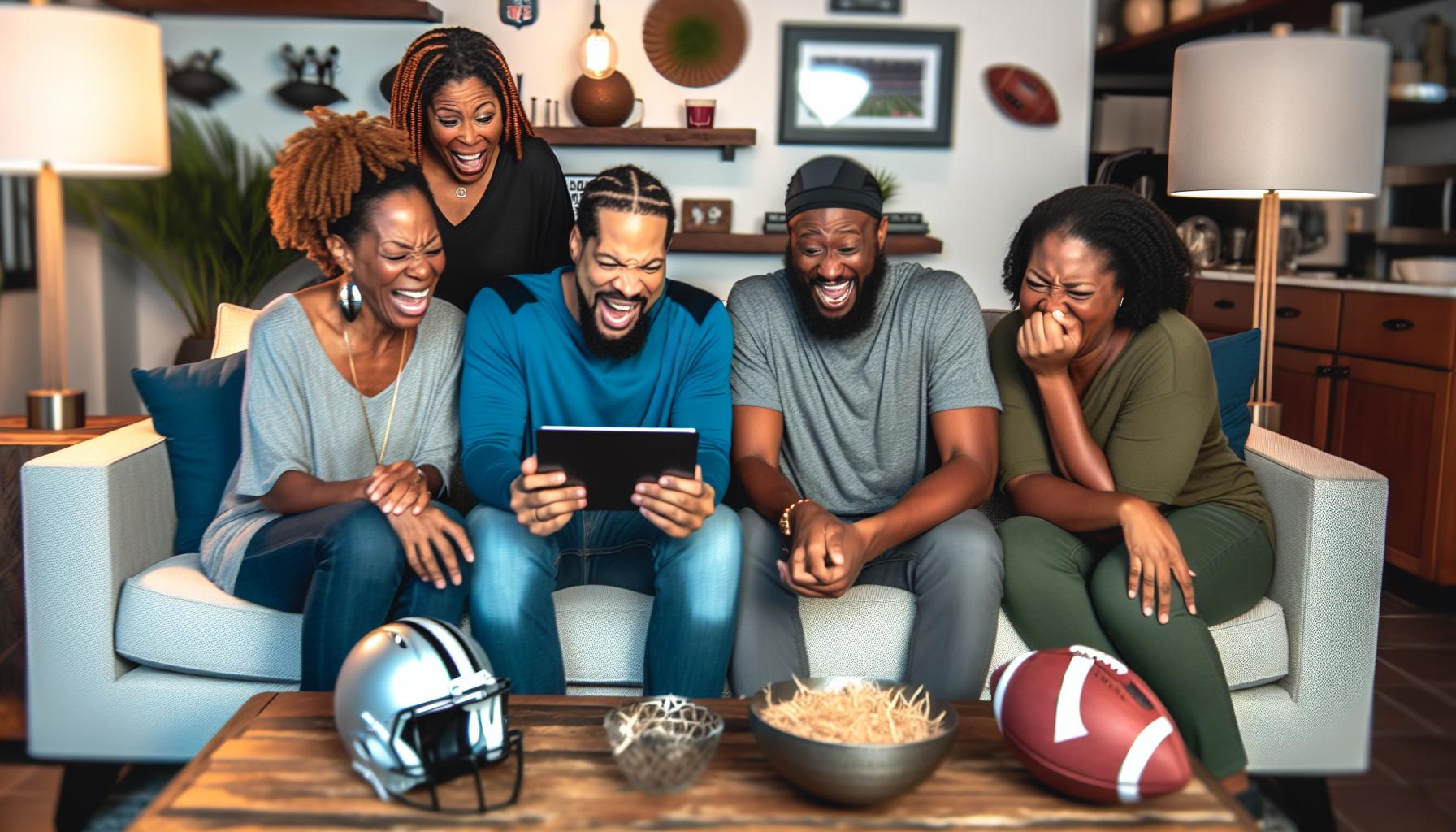
In the fast-paced world of the NFL, where every play on the field can be a conversation starter, social media platforms, especially Twitter, have become the battleground for some of the most memorable roasts and comebacks. The wit displayed by NFL players transforms ordinary moments into viral sensations, showcasing not just their athletic prowess but also their sharp senses of humor. Let’s take a look at some of the most iconic mean tweets from NFL stars that left fans in stitches and demonstrated the power of a well-crafted jab.
One of the classic examples came from Marshawn Lynch, who, in response to criticism about his playing style, tweeted, “I’m just here so I won’t get fined.” This tongue-in-cheek reply not only poked fun at his detractors but also referenced his infamous press conference moments, turning a criticism into a punchline.
Another legendary moment was when Antonio Brown clapped back at a fan’s tweet suggesting he needed to “take a seat.” Brown quipped, “Why take a seat when I can stand on my talent?” This self-assured retort not only highlighted his confidence but also engaged his fanbase, reinforcing his status as a top player.
Then there was the time Eddie Lacy responded to a tweet about his weight with, “I can’t even see my feet over this plate of nachos!” This playful acknowledgment of his struggles with fitness made fans laugh while reminding everyone that athletes, too, have their vulnerabilities.
Even legends like Tom Brady aren’t above a good roast. When mocked for his age, he tweeted, “You call it old, I call it experienced.” Brady’s self-aware humor demonstrates that even the greatest can take a joke while displaying his unparalleled confidence.
In another memorable exchange, Odell Beckham Jr. replied to a fan who suggested he should consider a different hairstyle. Beckham shot back, “Cheers to my hairline making the plays my hands can’t.” This clever quip not only humorously acknowledged a common critique but also put the fan in their place with style.
These iconic tweets showcase the brilliance of NFL players who embrace humor and engage with fans in a relatable way. Here are a few more examples that capture the essence of NFL mean tweets:
- Richard Sherman: When someone suggested he should train a little harder, he responded, “I’m training to make you eat your words.”
- Cam Newton: On being called ‘overrated’, he tweeted, “Overrated? Guess I’ll just have to make the next game a two for one special!”
- Julio Jones: After a fan critiqued his touchdown celebrations, he quipped, “I only celebrate the touchdowns… unlike your tweets!”
- Tyreek Hill: When someone dared him to prove his speed, he replied, “You couldn’t catch me if I fell over!”
These instances highlight how NFL athletes leverage social media to not only showcase their personality but also to build connections with fans through humor and light-hearted banter. The rise of these mean tweets reflects a cultural shift where players can control their narrative and engage in a dialogue that’s as entertaining off the field as it is on it, maximizing both their branding and engagement with fans.
Behind the Tweets: NFL Stars’ Reactions

In the vibrant ecosystem of NFL social media, the reactions of players to mean tweets serve as both entertaining content and a clever strategy for managing their public personas. Many NFL stars have embraced Twitter not just as a platform for interaction but as a space for playful banter that reinforces their identities and draws fans closer. These responses often provide a behind-the-scenes glimpse into how players navigate the line between serious professionalism and relatable humor in the face of criticism.
Delving into the psyche of these athletes, it’s clear that humor is a tool for deflection and engagement. For instance, when Richard Sherman famously quipped, “I’m training to make you eat your words,” he wasn’t just countering a critic; he was asserting his place in the league while maintaining a light-hearted tone. This approach helps players like Sherman and others cultivate a personal brand that balances confidence with a willingness to not take themselves too seriously.
Adopting this playful strategy offers fans and followers a chance to see their favorite players as multidimensional figures. When Cam Newton responded to being labeled as “overrated” with, “Guess I’ll just have to make the next game a two for one special!” he used self-deprecation and wit to diffuse negativity, showcasing his charisma and engaging further with his loyal audience. Players become more accessible when they portray themselves as individuals who can laugh off criticism, allowing fans to resonate with them on a deeper level.
For aspiring social media users, taking a page from the NFL playbook could enhance their online presence. Here’s how you can mirror the effective strategies these athletes use:
- Engagement: Respond to critiques and compliments alike with humor.
- Self-awareness: Acknowledge your flaws or mistakes in a light-hearted manner to show authenticity.
- Incorporation of Personality: Let your unique voice shine through in your responses; whether you’re sassy or witty, your style matters!
- Sharpen Your Wit: Practice crafting clever comebacks that fit your personality; it can transform how you interact with your audience.
By embracing these elements, you can navigate social media with the same finesse as your favorite NFL stars, making your presence both relatable and entertaining. With Twitter serving as the digital arena for these social media showdowns, athletes continue to redefine public dialogue, turning potential negativity into viral victories with each clever response.
Social Media Strategies from NFL Players

In the fast-paced world of social media, NFL players have mastered the art of jab-hurling that leaves fans entertained and critics silenced. This isn’t just about witty responses; it’s about crafting a brand that resonates with authenticity and humor. Seeing players like Aaron Rodgers and Tom Brady turn a mean tweet into a moment of hilarity not only showcases their personalities but also deepens their connection with fans who appreciate their relatable, often self-deprecating humor. By leveraging platforms like Twitter, they’ve transformed potential slights into opportunities for engagement, which is a powerful strategy for anyone looking to enhance their social media presence.
To harness the effectiveness seen in NFL athletes’ tweets, consider adopting these strategies yourself:
- Have Fun with Self-Deprecation: When a follower calls you out, don’t just defend-embrace it! A light-hearted response that acknowledges the critique shows confidence. For instance, if someone slams your latest post, respond with something like, “You’re right, I might have overdone it! Time for a rebranding!”
- Use Humor as a Shield: Humor can defuse negativity. If someone criticizes you, channel your inner Sherman or Newton-hit back with a clever retort to turn the tables and capture the audience’s attention.
- Engagement is Key: NFL players don’t just tweet; they interact. When you receive a compliment or criticism, respond. This builds rapport and shows you value your audience’s input. Consider retweeting a funny comment about you with a witty response.
- Craft Savvy Comebacks: Practice the art of the comeback! Whether it’s quick one-liners or thoughtful reflections, honing your response technique can turn you into a social media maven. Think about your personal style-are you more sassy or sarcastic? Let that shine through!
By embracing these strategies, you not only elevate your online persona but also cultivate a community of followers who appreciate your authenticity and humor. Remember, social media isn’t just about what you say; it’s how you say it that builds connections. So, whether you’re responding to a mean tweet or engaging with fans, approach it like a true NFL star-playful yet sharp, always ready to score a touchdown with your audience!
Humor in Sports: When Jokes Go Viral
In the digital arena of sports, where tweets can spread faster than a game-winning touchdown, humor has emerged as the ultimate playmaker. The charm of the “Mean Tweet” phenomenon lies in its power to turn what could be a simple jibe into a moment of viral joy. When NFL players respond to snarky comments with a dash of wit, they don’t just entertain-they strengthen their personal brands and enhance fan engagement. We’ve seen legendary roasts from stars like Russell Wilson and Odell Beckham Jr. that not only go viral but also establish a rapport with fans, making them feel like part of the inside joke.
Social media platforms, especially Twitter, are breeding grounds for this kind of comedic exchange. Here are a few strategies to help you join the fun while maximizing your social media impact:
- Create Relatable Content: The best jokes often reflect shared experiences. When you create content that resonates with your audience, you’re more likely to elicit laughs and retweets. Think about what your followers talk about: their struggles, their triumphs, or even the mundane aspects of daily life.
- Timeliness is Key: Joke about trending topics or recent events. If there’s a game-changing moment in the league, don’t hesitate to craft a witty response that adds to the conversation. This not only boosts your visibility but also shows that you’re in tune with your surroundings.
- Use Humor as an Engagement Tool: Rather than just broadcasting your thoughts, engage with your audience by responding to their comments with humor. A playful retort can spark more dialogue and encourage followers to come back to your account for more of the same.
- Be unique! Many stars have their signatures-their “Twitter style” that fans recognize instantly. Whether it’s sarcasm, puns, or relatable humor, find your niche and own it. This distinctiveness will make your jokes more memorable and shareable.
One fascinating aspect of viral humor is the fearlessness it’s built upon. NFL players taking bold swings at mean tweets show that humor can be wielded as a weapon against negativity. Think of players like Aaron Rodgers, who famously turned a barrage of insults into laughter-filled responses, showcasing that a good sense of humor can resonate not just with friends but also with millions of followers. This demonstrates that humor and humility can coexist, creating a solid foundation for personal branding in an increasingly connected world. So go ahead-throw in your best tweet and see how far your humor can take you!
Savage Comebacks: A Breakdown of NFL Responses
In the wildly entertaining world of NFL social media, the savage comeback has become as legendary as a game-winning touchdown. When players confront mean tweets with sharp wit, the result is not just humor but a highlight reel of responses that fans eagerly amplify. One iconic example is when former wide receiver Chad Johnson, known for his charisma, responded to a critic with, “I hope the only time you get this close to a championship is at the barber.” This kind of playful banter solidifies the connection between the players and their fans, showcasing an accessible side to these athletes often hidden behind their on-field personas.
Crafting the perfect savage comeback involves a blend of humor, timing, and creativity. NFL stars often draw from pop culture references or their own life experiences to dish out responses. A key element is brevity-keeping things concise ensures that the punchline lands effectively, making it highly shareable. Consider the tweet from Patrick Mahomes, who quipped at a doubter with, “You must be watching a different game, buddy,” effectively telling a critic that their perspective was a total miss. This not only engages his audience but also reinforces his savvy on social platforms.
Understanding what works is crucial for aspiring social media comedians. Given the rapid pace of Twitter, ensuring your timing is as sharp as your wit allows you to join trending conversations in real-time. NFL players frequently leverage current events to fuel their comebacks, like responding to rival teams’ performances or recent scandalous plays. Engaging with fans also means being prepared for a healthy back-and-forth. When a player replies to a mean tweet, they’re often inviting further interaction, fostering a community where fans and players can share in the laughs together.
When diving into the savage side of Twitter, remember that vulnerability adds another layer. Players who share personal stories while throwing shade show their human side, connecting deeper with their audience. For instance, after a tough game, a player might tweet an amusing self-deprecating remark, like “At least my Twitter game is still strong,” helping to diffuse tension while still keeping the mood light. Striking the right balance between humor and humility not only enhances personal branding but also cultivates a loyal fanbase eager to see what you’ll say next!
In-Depth Look at Memes and Football Culture
In a digital landscape where humor is often instant and widespread, memes have emerged as a powerful force in football culture, particularly manifested through mean tweets. These bite-sized comedic critiques not only entertain but also reflect the personality and resilience of NFL players as they navigate the often harsh scrutiny of fans and critics alike. Think about it: humorous insults turned into memes create a unique dialogue where players become relatable figures who can laugh at themselves-and each other-within the sporting sphere.
The rise of memes in football culture can largely be attributed to the accessibility of social media. Platforms like Twitter and Instagram allow fans to instantly share and remix content, propelling clever responses into viral sensations. For instance, when a player posts a mean tweet about an opponent or a critical fan, it can quickly be transformed into a meme by the community, adding layers of humor and context. This phenomenon fosters a dynamic interaction, where fans actively participate in shaping the narrative around their favorite players through witty retorts and sharable graphics.
Understanding Meme Culture in NFL Social Media
To truly grasp the impact of memes in the football community, it’s essential to consider the elements that make these memes resonate. Here are a few key factors:
- Relatability: Fans connect with the realities of their beloved players, especially when they see them reacting humorously to negativity.
- Timeliness: Memes often capitalize on current events or popular trends, allowing for timely commentary that keeps fans engaged.
- Creativity: The best memes are highly creative, blending humor with astute observations, which makes them highly shareable.
Creating memes that encapsulate the essence of these savage comebacks enhances the sense of community among fans. For those looking to dive deeper into this modern form of humor, consider these steps to create your own football memes:
Steps to Creating Your Own Football Memes
- Identify a Theme: Pull from current games, player performances, or social media interactions. A recent gaffe by a player or a particularly spicy mean tweet can provide great material.
- Choose Your Format: Decide whether you want a simple text-based meme or a more elaborate graphic. Websites like Imgflip or Canva offer templates to get started.
- Add Text: Make your punchline concise and relatable-remember, brevity is key for humor! Use popular meme formats or images that resonate with the audience.
- Share and Engage: Post your meme on social media channels, tagging relevant players or teams. This engagement can encourage shares and discussions.
Through the lens of memes, the boundary between fans and players blurs, transforming often one-sided interactions into vibrant conversations. As NFL stars fire back with their mean tweets, the resulting memes serve as light-hearted entertainment while reinforcing a collective identity among fans. This playful engagement exemplifies how humor and sportsmanship can coexist, ultimately creating a richer, more engaging football culture that resonates with audiences around the world.
Analyzing the Impact of Mean Tweets on Players
In the fast-paced world of social media, mean tweets have become a significant tool not just for humor, but also for player branding and public perception. NFL stars often find themselves at the intersection of entertainment and athlete, transforming critiques into opportunities to engage with fans and reshape their image. A well-timed savage tweet can flip the script on an opponent or defuse a tense situation, allowing players to display their personality while also connecting intimately with fans who appreciate authenticity over stuffy professionalism.
The impact of mean tweets on players can be profound. When a star like Patrick Mahomes tweets a witty comeback, it doesn’t just garner laughs; it humanizes him, making fans feel closer to him. Players sway public opinion and strengthen their brands by showcasing their ability to take jabs in stride, demonstrating resilience and confidence. But it’s not just about the tweets themselves-they influence how teammates, fans, and even critics perceive a player. If a player handles a vicious roast with humor, it often amplifies their likability quotient. The ripple effect is notable: better public perception can elevate a player’s marketability, leading to lucrative endorsements or fan loyalty.
Moreover, these exchanges highlight the dichotomy of public life for athletes. While they are expected to maintain poise and professionalism, engaging in mean tweets allows players to partake in the same social banter that fans enjoy. It blurs the traditional boundary between celebrity and average fan, encouraging a sense of community-an avenue where everyone shares a laugh.
Real-World Examples
- OBJ vs. the Internet: Odell Beckham Jr. has been at the forefront of mean tweet exchanges, famously responding to criticisms with quirky and memorable comebacks that have turned viral.
- Russell Wilson’s Classy Roasts: Wilson often engages with fans in a light-hearted manner, leveraging tweets to remind everyone of the fun side of competitive sports.
In these instances, we see that the right approach to mean tweets not only serves as comedic relief but also reinforces a player’s brand and relatability. Understanding how to navigate these online interactions effectively equips players to build a compelling, engaging, and positive narrative around their careers-a thread that stitches together humor, resilience, and authentic connections with their audience.
The Role of Twitter in Today’s NFL Drama
In the electrifying world of the NFL, Twitter is more than just a platform for sharing game updates; it’s a battle arena where players engage with fans, rivals, and each other through the sharp art of the mean tweet. Picture this: a quarterback drops a fourth-quarter bomb only to be met with a flood of sarcastic tweets from fans. Rather than retreating into silence, he fires back a witty one-liner that sends his followers into a frenzy. This vibrant interaction is key to understanding how Twitter shapes the narratives within the league.
When a player like Tyreek Hill or DK Metcalf responds to a heckler with a clever comeback, it doesn’t just entertain; it creates a moment that resonates with fans. This playful banter fosters a sense of community, allowing followers to feel included in the conversation. It’s not merely about entertaining; it’s strategic. Players can craft their personal brands, showcasing that they’re relatable, fun, and not all business. As they navigate this social landscape, they tie their on-field prowess to their off-field personalities, which can be a game-changer when it comes to endorsements and fan loyalty.
For those looking to harness the power of Twitter in their own lives, start by engaging genuinely with your followers. Humorous replies can boost interactions; however, remember that timing is everything. The quicker you can respond, the more relevant your tweet will be. Use trending hashtags to spark conversations but ensure your content aligns with your brand. Following NFL stars can also provide inspiration-watch how they craft their messaging and engage with fans. Whether you’re clapping back at trolls or joining in the fun, keep your tone light and authentic.
Ultimately, in the arena of NFL drama, Twitter acts as both a stage and a tool-a place where personalities shine and tensions can ease or escalate in an instant. By embracing the culture and making savvy posts, players not only influence public opinion but also control their narratives, ensuring that they stay ahead of the game both on and off the field.
Fan Reactions: Laughing Along with the Stars
When it comes to NFL stars throwing shade on Twitter, fans are always here for the banter. Whether it’s a clutch play followed by a sarcastic remark from a couch quarterback or a pro responding to a troll with a witty comeback, the reactions are often as entertaining as the game itself. Fans laugh, retweet, and engage, feeling a part of the playful rivalry that transcends the confines of the field. It’s a social media phenomenon that not only unites fans but also paints a vivid picture of player personalities.
One standout example is the Twitter interaction between Mac Jones and a fan who criticized his performance. Instead of taking the high road, Jones fired back with an equally sassy remark that had fans cheering for both the quarterback’s talent and his quick wit. This back-and-forth creates a sense of community among followers who relish the interaction, and it’s not just about the players; fans jump in with their own memes and reactions, creating a tapestry of humor that enriches the social media experience.
To navigate these viral moments, fans can embrace the trending topics and hashtags related to their favorite players. Engagement is key! Jump into conversations, reply with humor, and share memes that showcase your personality. Try initiating fun polls about who’s got the savviest tweets, or post your reactions to wild mean tweets-the goal is to keep the laughter going. Following the right accounts can also elevate your feed, ensuring that you’re always in the loop with the best banter.
In this digital age, where every tweet is a chance to interact, remember: it’s not just about the players; it’s about creating an online persona that resonates with humor and relatability. So let loose, engage in the good-natured ribbing, and join your fellow fans in celebrating the fun side of NFL culture! Whether you’re crafting the perfect comeback or simply enjoying the clever exchanges, participating in this trending culture only enhances the NFL experience.
Mean Tweets and Their Influence on NFL Branding
In a world where social media reigns supreme, the ability of NFL players to deliver savage comebacks in the digital arena has transformed not just their personal brands but also the entire landscape of sports marketing. These witty exchanges on platforms like Twitter have become emblematic of the players’ personalities, shaping how fans perceive them beyond their athletic prowess. From roasting fans who dare critique their performances to trading barbs with fellow athletes, these mean tweets foster an environment where humor and rivalry fuel brand engagement.
When NFL stars engage in playful banter, they cultivate a relatable and approachable persona. This authenticity resonates with fans, strengthening their loyalty and enhancing brand equity. The engagement isn’t just a fun distraction; it’s strategically beneficial. Players become not just athletes but influencers who impact merchandise sales, social media followings, and team popularity. For instance, when a star like Patrick Mahomes quips back at a critical tweet, it’s not just lighthearted fun-it’s building a community that wraps their support around his brand, thereby triggering more conversations around his endorsements and promotional activities.
To leverage this phenomenon effectively, players and teams can implement a few strategies:
- Embrace Authenticity: Being real and humorous makes players more relatable, which in turn boosts their followership and public perception.
- Engage Regularly: Regular interaction with fans through witty tweets keeps the audience engaged and fosters a sense of belonging among followers.
- Strategic Partnerships: Collaborating with influencers or other athletes can amplify reach, as well as enhance joke delivery and reception.
- Monitor Trends: Staying ahead of trending topics allows players to insert themselves into relevant conversations, ensuring their engagement remains timely and impactful.
Furthermore, the ongoing impact of mean tweets extends to the organizations themselves. When fans see their favorite players engaging in hilarious exchanges, it generates buzz that enhances the overall visibility of the franchise. This kind of informal marketing leverages humor, making the brand more memorable. Just as brands thrive on viral moments, NFL teams can capture the spirit of the moment to drive ticket sales, merchandise, and audience engagement-turning playful banter into a powerful branding tool.
Frequently Asked Questions
Q: What are the best sites to find NFL players’ mean tweets?
A: To discover NFL players’ mean tweets, popular sites include Twitter itself, Reddit threads discussing sports humor, and dedicated sports blogs. These platforms often compile the most savage tweets and provide context to the exchanges, contributing to the laughter surrounding NFL drama.
Q: How do NFL players respond to mean tweets?
A: NFL players often respond to mean tweets with humor, sarcasm, or by firing back with witty comebacks. Their reactions provide amusing insights into the players’ personalities, showcasing how they handle online criticism and fan interactions, as covered in our section “Savage Comebacks: A Breakdown of NFL Responses.”
Q: What makes a mean tweet go viral among NFL fans?
A: A mean tweet goes viral when it combines humor, relatability, or a timely reference to a trending game or event. Engaging visuals or memes accompanying the tweet can also enhance its shareability among NFL fans, amplifying its reach on social media.
Q: Why do NFL players participate in mean tweets?
A: NFL players participate in mean tweets to engage with fans, show personality, and humanize themselves beyond the field. It fosters a connection with their audience and often serves as an effective way to manage public relations amidst criticism or drama.
Q: When did the trend of mean tweets in the NFL start?
A: The trend of mean tweets in the NFL gained significant traction in the early 2010s, coinciding with the rise of social media. Players began using Twitter for direct engagement with fans, leading to the humorous exchanges that characterize today’s NFL culture.
Q: How do mean tweets influence NFL players’ images?
A: Mean tweets can significantly impact NFL players’ images by either endearing them to fans or detracting from their professionalism. Players who handle criticism humorously often gain respect, while others may face backlash that affects their public perception.
Q: What role do fans play in the mean tweet phenomenon?
A: Fans play a crucial role in the mean tweet phenomenon by creating, sharing, and reacting to the tweets. Their engagement drives the popularity of certain tweets, making them part of sports culture and encouraging players to engage directly with criticism.
Q: What are some iconic NFL mean tweets?
A: Iconic NFL mean tweets often come from famous personalities like Tom Brady or Richard Sherman, known for their sharp wit. These tweets typically highlight game performances or off-field antics and are discussed in our “Top 10 Most Iconic NFL Mean Tweets” section.
Insights and Conclusions
And there you have it-NFL stars throwing shade with their most savage social responses! If you’ve enjoyed this deep dive into the world of “Football Mean Tweets,” be sure to explore our collection on the wildest NFL moments and the best viral tweets that lit up social media. Don’t miss out-subscribe to our newsletter for the latest updates and exclusive content that keeps you in the loop with the hottest trends in sports and social media!
Have thoughts to share or want to chime in on your favorite savage tweet? Drop a comment below, and let’s keep the conversation going! For those curious about navigating Twitter culture, check out our comprehensive guides on boosting your follower count and mastering social media slang. There’s always something new to discover, so stick around and catch more of the action!


