
Did you know that even the most iconic TV stars face their share of online criticism? In “Bryan Cranston Mean Tweets: Breaking Bad Star’s Epic Responses,” we dive into the hilarious and often brutal world of social media interactions where actors like Cranston tackle snarky comments with wit and charm. This engaging showcase not only highlights Cranston’s ability to turn negativity into humor but also reflects a broader conversation about how celebrities navigate the choppy waters of internet hate. Whether you’re a fan of “Breaking Bad” or just curious about celebrity culture, you’ll find insight into the resilience and playful spirit that keep stars relatable. So, get ready to chuckle as we explore Cranston’s iconic responses that turn mean tweets into memorable moments, reminding us all that laughter is the best comeback.
Bryan Cranston’s Most Iconic Mean Tweets
Bryan Cranston has mastered the art of handling internet criticism with a blend of humor and grace, making his appearances on the “Mean Tweets” segment of Jimmy Kimmel Live! truly iconic. The moment he steps up, he’s not just reading insults; he’s transforming them into moments of comedy gold, showcasing why he’s more than just the star of Breaking Bad. One of his most notable tweets tormented his role as Walter White, sarcastically calling him “the world’s worst dad.” What did Cranston do? He took a deep breath and dove into self-deprecating humor, replying, “You know, I had to cook meth to pay for this therapy!” This ability to laugh at himself while simultaneously poking fun at the harsh commentary encapsulates his charm and relatability.
In a world where negativity can often overshadow sincerity, Cranston’s reactions serve as a reminder that laughter is the best response. He has a unique way of diffusing harsh criticisms with wit and cleverness, effectively turning the tide on negative comments. For instance, one tweet labeled him as “the guy who ruined Malcolm in the Middle.” Rather than getting defensive, Cranston responded with a playful wink to his past, stating, “Yes, sorry! That was a rough patch!” It’s this combination of humor and candidness that not only entertains viewers but also reveals a deeper understanding of the dynamics of social media.
The charm of Cranston’s tweets lies in their relatability; he embraces the imperfections of fame while using online platforms as a means of connection rather than a battleground. His witty comebacks resonate with fans, making them feel like they’re in on a private joke rather than simply observing a public figure being attacked. This interaction showcases how celebrities can utilize social media positively – engaging authentically with followers and humanizing themselves even when facing online criticism.
Ultimately, Bryan Cranston’s tenure on “Mean Tweets” reminds us that even public figures, often glamorized and set upon pedestals, are susceptible to both critique and laughter. His responses invite us to laugh along at the absurdity and pettiness of online insults, reinforcing that it’s possible to take the high road while still being relatable and funny. In a social media landscape often rife with hostility, Cranston’s legendary comebacks do more than entertain-they resonate, inspire laughter, and magnify the power of humor in the face of adversity.
The Art of the Mean Tweet: A Breakdown
In the realm of social media, where commentary can often veer into the territory of harsh critique, Bryan Cranston shines like a beacon of humor and relatability, particularly during his turns on the “Mean Tweets” segment from *Jimmy Kimmel Live!* With his ability to transform incisive internet remarks into laugh-out-loud moments, he exemplifies a unique approach to engaging with mean-spirited comments that leaves audiences both entertained and inspired. Imagine scrolling through Twitter and finding tweets that jab at your credibility or your career choices. Now, picture the clever retorts of a beloved TV star owning those very criticisms and flipping them on their heads.
Cranston’s talent lies in his masterclass of self-deprecation mixed with quick wit. He doesn’t just read mean tweets; he disarms them with charm. For instance, one particularly harsh tweet branded him “the world’s worst dad,” referring to his character in *Breaking Bad.* Instead of defensively refuting the claim, he quipped about needing therapy after “cooking meth.” This adeptness at leveraging humor shows a broader lesson: when faced with negativity, laughter can be a powerful response. By using humor as a shield, he deftly turns a potential injury into a ticklish moment, making his appearances not just entertaining but empowering.
To navigate your own encounters with mean comments on platforms like Twitter, here are a few steps inspired by Cranston’s approach:
- Embrace Humor: Try to find the funny side of a mean tweet before responding. A witty comeback can often defuse the negativity and impress your followers.
- Self-Deprecate Wisely: A little self-mockery can go a long way. Acknowledge your flaws humorously, which can make you more relatable to your audience.
- Engage Positively: Use your platform to turn the tide by sharing positive messages or encouraging anecdotes that counteract the negativity.
Ultimately, Bryan Cranston makes a statement that resonates beyond the studio audience: that it’s entirely possible to approach online critiques with grace and eloquence. His iconic moments on “Mean Tweets” not only entertain but also offer a roadmap for others navigating the tumultuous waters of social media. Rather than wallowing in distress over harsh words, he invites everyone to laugh at the absurdity and reveals that cleverness and authenticity can shine through even when faced with critique.
Laughing Through the Pain: Cranston’s Best Responses
Bryan Cranston has mastered the art of turning the sting of mean tweets into comical gold, showcasing not only his humor but a profound understanding of social dynamics. His responses are peppered with witty self-awareness, showcasing how a well-crafted comeback can transform negativity into laughter. For instance, when a tweet labeled him “the world’s worst dad,” he simply replied that he might need therapy after his alter ego’s infamous meth-cooking escapades. This clever quip does more than elicit laughs; it highlights his ability to poke fun at himself while simultaneously diffusing the sting of criticism.
In the realm of social media, where harsh judgments are a quick scroll away, Cranston’s approach offers valuable lessons. Here’s how to embody his legendary responses:
- Find the Humor: Instead of wallowing in negativity, search for the funny side of a harsh comment. Laughter is contagious and can lighten the mood for both you and your followers.
- Capitalize on Self-Deprecation: Don’t shy away from making jokes at your own expense. Cranston’s ability to laugh at his roles and public perception makes him more relatable-people appreciate authenticity.
- Turn Criticism into Connection: Use mean tweets as a springboard for positive engagement. Respond in a way that invites conversation, showing your followers that you can take the heat without losing your cool.
By embracing these elements, anyone can respond to online critiques with grace and confidence, much like Cranston. His legendary moments not only entertain but serve as a masterclass in handling social media’s complexities. In a digital landscape filled with commentaries that can hurt, he stands out as a beacon, proving that humor can truly transform the way we interact online. So, the next time a mean tweet pops up in your mentions, channel your inner Cranston, and laugh through the pain!
Behind the Scenes: Filming Mean Tweets

Filming sessions for “Mean Tweets” are often as entertaining as the results themselves. Imagine a cozy studio backdrop, cameras rolling, and you have a lineup of celebrities facing down the harshest of internet critiques. For Bryan Cranston, stepping into this world means embracing the humor in the trolling while preparing for the camera’s unforgiving gaze. Each segment starts with a careful selection of tweets, where writers scout for the juiciest jabs that have a good chance to elicit a round of laughter.
Typically, celebrities are invited into a relaxed setting, which helps to loosen up before they read the mean tweets aloud. The idea is to capture genuine reactions – surprise, laughter, headshakes, maybe even a smirk. This behind-the-scenes camaraderie spirit is crucial; the actors know they’re all in it together, sharing the pain and humor of social media scrutiny. Bryan, known for his well-crafted comebacks, often approaches these readings with a playful spirit that makes even harsh criticisms feel like a joke among friends.
To give viewers a balanced mix of playful interaction and witty responses, the filming crew focuses heavily on what makes each celebrity tick. With Cranston, it often meant playing off his previous roles. When a tweet pokes fun at him as a dad, for instance, he’ll reference his iconic role in “Malcolm in the Middle,” where parenting is uncharted territory marked with hilarity. This self-referential humor reinforces his connection with fans while subtly showcasing how much he’s grown since then.
The editing room is where the magic truly happens; unfiltered laughter often leads to a slew of bloopers that are just as entertaining as the final cut. Editors curate a seamless blend of the best moments, adding in a dash of background music to amplify the comedic effect. After all, fans tune in for the laughs, and Cranston provides those in spades! Each installment aims not only to entertain but to remind everyone that, in the vast universe of Twitter, a little humor can go a long way in transforming negativity into a shared laugh.
Twitter Culture: Why Mean Tweets Went Viral
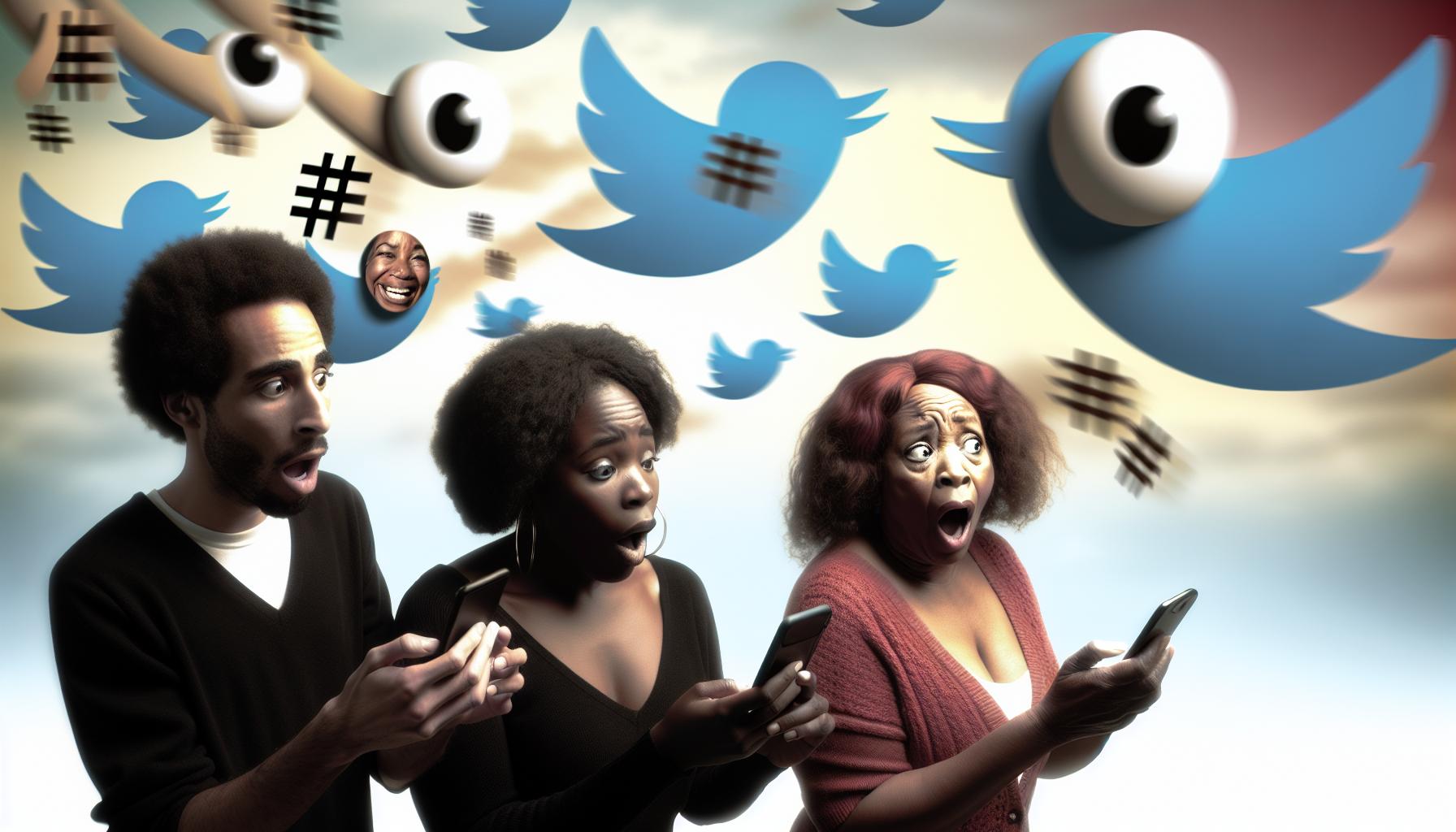
In the digital age, one quirky phenomenon stands out: the viral nature of “Mean Tweets.” Bryan Cranston’s contributions to this trend not only entertain but also encapsulate what makes Twitter and social media culture tick. These cleverly crafted segments where celebrities read harsh tweets about themselves resonate with audiences for a multitude of reasons, forging a unique connection between stars and fans.
Social platforms, especially Twitter, thrive on the mix of instant gratification and real-time interaction. When a celebrity reads a mean tweet, they transform a potentially hurtful comment into shared laughter by showcasing their resilience and wit. This comedic alchemy is appealing; viewers enjoy watching public figures take jabs in stride, reminding everyone that no one is above criticism. Moreover, Brian Cranston’s self-deprecating humor and iconic roles, particularly from shows like “Breaking Bad” and “Malcolm in the Middle,” add layers of relatability that allow fans to connect with him on a more human level.
The rapid-fire nature of Twitter also contributes to the viral success of “Mean Tweets.” The quick turnover of jokes and responses creates a fast-paced environment that encourages sharing and interaction. In this realm, a tweet that garners a laugh can ripple through the internet, leading to countless retweets and likes, sometimes trending as a cultural moment in its own right. Celebrities, like Cranston, become not only the subjects of these jabs but active participants in the ongoing dialogue, sparking even greater engagement with audiences.
Understanding this trend is essential for anyone looking to navigate Twitter effectively. To harness the same comedic approach, consider these steps:
- Stay Authentic: Embrace your personality, even if it means poking fun at yourself.
- Engage with Humor: Respond to criticisms or comments with wit to foster a more laid-back connection.
- Capitalize on Trends: Keep an eye on what’s trending and find ways to incorporate your unique persona into ongoing conversations.
In conclusion, the viral nature of “Mean Tweets” exemplifies the playful and often humorous side of internet culture, building bridges between stars like Bryan Cranston and their audiences through shared laughs. Adopting a playful demeanor in your online engagement not only enhances your social presence but also aligns with the evolving dynamics of communication on social media platforms.
The Impact of “Mean Tweets” on Public Figures
When celebrities take on the challenge of reading mean tweets, it serves as more than just a comedic moment; it becomes a reflection of the public’s relationship with them. Bryan Cranston, known for his remarkable roles and infectious charm, offers an excellent case study in how “Mean Tweets” impact public figures. These segments create a dynamic where thick skin and humor are not only appreciated but expected, transforming potential negativity into shared entertainment. As viewers watch their favorite stars navigate the low blows of social media, they are reminded that no one is invulnerable to criticism, which ironically humanizes these larger-than-life personalities.
The effects of “Mean Tweets” extend beyond mere humor; they contribute to a celebrity’s personal brand. By openly engaging with criticism, stars like Cranston elevate their relatability, portraying themselves as approachable and down-to-earth. Their responses often invoke laughter, positioning them as witty and resilient figures that audiences rally behind. For instance, Bryan has turned the often painful experience of ridicule into comedic gold, showcasing that a healthy sense of humor can underscore the importance of self-acceptance. This not only cultivates goodwill among fans but also fosters a sense of community, where everyone can share in the laugh despite the sting of the original comment.
While being the butt of a joke might seem daunting, it offers public figures a chance to influence their image positively. When they respond to “Mean Tweets,” it opens a dialogue with followers, encouraging candid conversations that reinforce loyalty. By navigating criticism through humor, celebrities can also engage in a more playful banter with their audiences. This approach not only entertains but also reminds fans of the actor’s past work, such as his iconic roles in “Breaking Bad” and “Malcolm in the Middle,” which may get reminisced in a new light through these shared experiences.
Thus, embracing the “Mean Tweets” phenomenon is a strategic move for celebrities, allowing them to cultivate a more profound and meaningful connection with their audience. To emulate this approach, public figures should consider integrating a blend of honesty and humor in their responses, capitalizing on trending conversations on social media. This enhances their relatability and creates an inviting environment for engagement, reflecting the evolving nature of celebrity culture in the digital age.
Exploring Bryan Cranston’s Social Media Influence
Bryan Cranston isn’t just a beloved actor; he’s a social media maestro! With antics ranging from winning Emmys to participating in viral trends like “Mean Tweets,” his influence stretches far beyond traditional celebrity status. Thoroughly engaged with his fanbase, Cranston cleverly navigates the treacherous waters of Twitter, transforming criticism into comedy gold. This approach does more than just entertain-it fosters a genuine connection with fans, reminding them that even their heroes can get roasted online.
Crafting Connection through Humor
The heart of Cranston’s social media influence lies in his ability to laugh at himself. When he reads mean tweets, he’s not merely being a good sport; he’s tapping into the shared digital experience that resonates with millions. His witty retorts often turn biting criticism into comedic moments that fans cherish and share, creating a ripple effect throughout the Twitterverse. By openly acknowledging the haters, he leads the charge in a culture shift where vulnerability is celebrated rather than shunned.
Embracing Criticism: The Ultimate Strategy
Cranston’s interactions raise a crucial question: how can public figures effectively manage their online personas? Here’s a cheat sheet if you’re looking to follow in his footsteps:
- Be Authentic: Don’t shy away from criticism; embrace it with humor. Use it as an opportunity to showcase your personality.
- Engage with Fans: Responding to comments-positive or negative-creates a two-way street that encourages loyalty.
- Keep It Light: Humor, when wielded wisely, can make even the harshest feedback feel less daunting and more like a friendly jab.
Your Guide to Twitter Stardom
Ready to take the plunge into Twitter like Cranston? Start by optimizing your profile:
- Polish Your Bio: Include keywords or catchphrases that reflect your personality.
- Engage: Interact actively by replying, retweeting, or liking posts that resonate with you or your brand.
- Be Consistent: Regularly update your followers with tweets that reflect your journey, interests, or even your takes on trends-just like the way Bryan showcases his adventures or engages with cultural happenings.
Bryan Cranston exemplifies how humor, transparency, and interaction can build a robust social media following. By dissecting and understanding his approach, others can learn to navigate the sometimes choppy waters of celebrity and social media gracefully, ensuring they remain relatable and relevant in today’s digitally-driven landscape.
Fan Reactions: How Twitter Users Respond
When Bryan Cranston takes to Twitter to read mean tweets, the reactions from his fans are nothing short of a spectacle. The vibe is a mix of laughter, disbelief, and overwhelming support as users engage with his responses. With a unique blend of humor and humility, Cranston’s ability to turn the tables on internet trolls creates a shared moment of joy for his audience. Fans actively participate, often tweeting their own funny takes on his responses and creating a community feeling that transcends typical fan-celebrity interactions.
One of the standout aspects of fan reactions is how they amplify the humor. Imagine scrolling through Twitter and seeing a user proclaiming, “I love how Bryan just served that troll a five-star response!” or another who quips, “He just made my day! Who knew mean tweets could be so hilarious?” These comments not only validate Cranston’s comedic approach but also foster a sense of camaraderie among followers, turning a simple tweet reading into a viral moment. This community engagement encourages even more fans to chime in, creating a ripple effect where the laughter multiplies with each share and retweet.
To maximize engagement and join in the fun, fans can take several actionable steps. First, they can use popular hashtags like #MeanTweets or #CranstonRoast to connect with like-minded users. Sharing their own reactions, whether through memes or witty comments, can also add to the conversation. Additionally, consider setting notifications for Cranston’s tweets to stay updated and ready to respond in real-time, which can lead to delightful interactions. Engaging actively with the content helps build a vibrant online community, mirroring the positive dynamic that Cranston cultivates with his followers.
Ultimately, Bryan Cranston’s take on mean tweets demonstrates the power of humor in transforming negativity into entertainment. His fans relish the opportunity to join in, creating an infectious culture of laughter and mutual respect on social media. By participating in the banter and sharing their reactions, fans not only support him but also contribute to a broader dialogue that celebrates the resilience and fun of the internet culture.
Comparing Celebrity Responses to Mean Tweets
When it comes to tackling mean tweets, not all celebrities handle the heat the same way, and Bryan Cranston stands out for his iconic responses. Known for his roles in *Breaking Bad* and *Malcolm in the Middle*, Cranston has embraced the art of the mean tweet with a unique flair that draws fans in and keeps them engaged. His approach balances humility and humor, allowing him to turn the often harsh critiques into moments of levity that resonate broadly on social media.
Many celebrities choose to ignore the trolls or respond with equal vitriol, but Cranston’s strategy is more like a verbal judo that flips negativity into a laugh. For instance, while a typical celebrity might retweet a mean comment with a dismissive quote or an eye-roll emoji, Cranston often takes it a step further. He weaves storytelling and witty retorts into his replies, creating a captivating narrative while simultaneously deflating the troll’s jab. This not only highlights his quick wit but also showcases a level of engagement that fans can’t help but appreciate.
Celebrity Response Styles
Here’s a quick look at how different celebs respond to mean tweets, compared to Cranston:
- Ignore: Many choose to ignore the negativity altogether, hoping it will fade away.
- Passive-Aggressive: Some opt for snarky comebacks, often resulting in a social media spat.
- Humor: Unlike the former categories, Bryan Cranston embraces the humor, crafting responses that are clever, kind, and often self-deprecating.
This blend of humor and authenticity not only entertains but also builds a community of fans who feel connected to him. By engaging with his followers in this way, Cranston fosters a culture where laughter prevails over animosity. Other stars could benefit from adopting a similar strategy; by leaning into humor and showing a willingness to laugh at themselves, they could further humanize their online personas and strengthen fan engagement.
Ultimately, examining Cranston’s responses to mean tweets provides a treasure trove of social media insights. Celebrities can learn that a little humor goes a long way in diffusing negativity, and by sharing these light-hearted moments, they can cultivate a more positive online environment. If more celebs channeled their inner Bryan Cranston, the Twitterverse could transform into a more joyful space, where banter and laughter replace biting criticism.
The Evolution of Mean Tweets on Social Media
In the ever-evolving landscape of social media, the phenomenon of “mean tweets” has carved out a unique space where humor meets harsh criticism, often resulting in viral moments that showcase celebrity resilience and creativity. This trend began gaining traction in the early 2010s, particularly with Jimmy Kimmel’s “Mean Tweets” segment on his late-night show, where celebrities bravely read and responded to scathing remarks from Twitter users. As the segment gained popularity, it highlighted not only how public figures cope with negativity but also how they can transform potentially hurtful messages into light-hearted exchanges.
Bryan Cranston, known for his iconic roles in Breaking Bad and Malcolm in the Middle, exemplifies this transformation beautifully. He captures the essence of how humor can deflate vitriol and foster connection with fans. Rather than shying away from criticism, Cranston finds a way to flip the narrative, often presenting self-deprecating humor that both humanizes him and entertains his audience. This approach resonates especially in an era where online interactions can often feel anonymous and brutal. By sharing these comical moments, he not only entertains but also sets a standard for how other public figures can engage with their critics.
As social media continues to evolve, so does the way mean tweets are integrated into celebrity culture. There are now countless memes, compilations, and social media challenges centered around constructing light-hearted, witty retorts to negativity. This democratization of humor helps fans relate to their favorite celebrities on a more personal level. Moreover, it encourages a more relatable and approachable online environment, making it clear that even the most famous individuals are not immune to criticism and can handle it with grace.
To keep up with this trend, celebrities and their teams must remain vigilant about managing their online presence. Engaging with fans, embracing the absurdity of mean tweets, and crafting clever responses can not only boost their public image but also create a community of loyal followers who appreciate their authenticity. As Bryan Cranston has shown, when celebrities lean into humor, they open the door for genuine connections-a powerful strategy in an age where social media is both an influence and a platform for dialogue.
How Bryan Cranston Engages with Fans on Twitter
Bryan Cranston has mastered the art of engaging with fans on Twitter, transforming the often harsh landscape of social media into a playground of humor and connection. With a following that hangs on his every tweet, he doesn’t just respond to mean tweets but embraces the absurdity of them, showcasing a refreshing blend of self-awareness and wit. By taking the criticism in stride, he flips negative comments into opportunities for laughter, often using self-deprecating humor that resonates with his audience. This strategy not only deflates potential vitriol but also makes him more relatable as a celebrity.
One of Cranston’s key methods is transparency. He openly shares his experiences with both praise and criticism, creating a narrative that invites fans into his world. Rather than blocking or deleting negative remarks, he often acknowledges them, incorporating such tweets into his comedic repertoire. This practice not only provides entertaining content but also encourages followers to interact with him, fostering a sense of community. He strategically selects which tweets to respond to, often amplifying the most humorous critiques in a way that empowers his fans and encourages them to join the banter.
Additionally, Cranston frequently utilizes Twitter features to keep his interactions fresh and engaging. For instance, he could run polls to ask fans about their favorite moments or respond to trending topics with a humorous twist. Not only does this maintain his visibility on the platform, but it also invites his audience into the conversation. For a more personal touch, he often shares behind-the-scenes glimpses of his projects or everyday life, solidifying his persona as the relatable, approachable star.
In today’s fast-moving social media environment, Bryan Cranston exemplifies why maintaining a playful and responsive presence matters. By engaging with fans through humor and open dialogue, he not only fortifies his brand but also cultivates a loyal fanbase that thrives on his authenticity. Aspiring celebrities and social media influencers can glean valuable insights from his approach, learning that laughter can serve as a powerful antidote to negativity in the digital age.
Frequently Asked Questions
Q: What are some of Bryan Cranston’s funniest responses to mean tweets?
A: Bryan Cranston’s funniest responses often showcase his quick wit and humor. One standout moment was when he joked about being called a “balding old man,” responding with a playful quip about embracing age gracefully. Such replies highlight his engaging personality and ability to laugh at himself.
Q: How does Bryan Cranston handle negative comments on social media?
A: Bryan Cranston often addresses negative comments with humor and grace. Instead of taking offense, he responds in a light-hearted manner, turning criticism into opportunities for connection and laughter. This approach not only diffuses negativity but also endears him to fans.
Q: Why have mean tweets become a viral sensation?
A: Mean tweets have become a viral sensation due to their blend of humor and honesty. Celebrities like Bryan Cranston engage with their critics in a playful way, demonstrating that they don’t take themselves too seriously. This interaction resonates with audiences and enhances relatability.
Q: How did Bryan Cranston’s participation in mean tweets affect his public image?
A: Bryan Cranston’s engagement in mean tweets positively impacted his public image by showcasing his approachable and humorous side. It helped humanize him, allowing fans to see him as more than just a character on “Breaking Bad,” fostering a deeper fan connection.
Q: Where can I watch Bryan Cranston’s mean tweets segments?
A: You can find Bryan Cranston’s mean tweets segments on popular platforms like YouTube and Twitter. Many talk shows feature these segments, and clips can often be viewed on social media, providing a great dose of humor and insight into his personality.
Q: What role do mean tweets play in today’s celebrity culture?
A: Mean tweets play a significant role in today’s celebrity culture by bridging the gap between stars and their fans. They allow celebrities like Bryan Cranston to engage with criticism in a light-hearted way, contributing to the overall narrative of authenticity in social media interactions.
Q: How does Bryan Cranston use social media to connect with his fans?
A: Bryan Cranston uses social media to connect with fans through witty posts, humor-filled responses to criticism, and shares personal anecdotes. His interactive approach fosters a sense of community, making fans feel appreciated and involved in his journey beyond acting.
Q: What can we learn from Bryan Cranston’s approach to mean tweets?
A: Bryan Cranston’s approach to mean tweets teaches us the importance of resilience and humor in the face of criticism. Embracing playful engagement can transform negativity into positive interactions, reminding us to not take ourselves too seriously and to find joy in unexpected places.
Key Takeaways
Thanks for joining us on this hilarious journey through Bryan Cranston’s epic responses to mean tweets! We hope you enjoyed the witty comebacks as much as we did. If you’re eager to dive deeper into the world of viral content and Twitter culture, check out our articles on the latest social media trends and tips for crafting your own standout tweets.
Don’t miss out on our newsletter where you’ll get the freshest takes on internet culture delivered straight to your inbox-sign up now! Whether you’re looking to boost your follower count or simply want some laughs, we’ve got the tools and resources to guide you. Share your favorite mean tweet moments in the comments, and let’s keep the conversation going! Now, go explore more and keep riding this trend wave!


