If you think social media is just a playground for positivity, think again! “Mean Tweets” from Jimmy Kimmel Live! flips the script, giving celebrities a chance to confront their online critics in the most entertaining way possible. This beloved segment showcases the hilarity and absurdity of internet culture, allowing stars like Luke Bryan and Kurt Russell to laugh off the not-so-nice things said about them. But what’s the secret sauce behind this viral sensation? Join us as we dive behind the scenes, revealing the creative process that transforms harsh words into comedy gold. Whether you’re a fan of late-night television or just curious about how internet mockery can lead to laughter, this exploration of “Mean Tweets” will give you an inside look at a unique intersection of celebrity culture and social media dynamics. Are you ready to discover how a few mean words can produce some of the best TV moments? Keep reading!
Understanding the “Mean Tweets” Phenomenon on Jimmy Kimmel Live
The “Mean Tweets” segment on Jimmy Kimmel Live has become a cultural phenomenon, cleverly highlighting the intersection of humor and the biting nature of social media. By taking the often harsh criticism celebrities receive on Twitter and flipping it into a light-hearted roast, Kimmel not only entertains but also exposes the very human side of these public figures. This blend of vulnerability and humor resonates deeply with audiences, allowing viewers to feel connected to stars they often perceive as untouchable.
At its core, the segment taps into the idea of self-deprecation and the notion that laughter can ease the sting of negativity. Each celebrity reads an actual mean tweet about themselves, and their reactions range from shock to hearty laughter. This approach demystifies the celebrity experience, showing that even the most famous can be affected by online trolls. The authenticity of these reactions is part of what makes each episode so engaging; viewers love watching stars react in real-time, often resulting in relatable chuckles over shared experiences with online criticism.
The cultural impact of “Mean Tweets” extends beyond the walls of the studio. It serves as a commentary on how social media shapes public perception and interactions. Users on platforms like Twitter have transformed the way they communicate, often opting for a snarky tone that can go viral. Kimmel’s segment not only makes this behavior a source of entertainment but also promotes a kind of cathartic release for audiences, who can laugh alongside the celebrities rather than at them. This playful twist illustrates the dual nature of social media: while it can be a space for hurtful remarks, it can also foster community and connection through shared humor and understanding.
In sum, “Mean Tweets” masterfully turns the tide on negativity, offering viewers not just comic relief but also a means to engage with underlying truths about social media and celebrity culture. With each new season, the segment continues to evolve while striking a chord with current internet trends and the familiar banter of online discourse.
The Creative Process: Writing “Mean Tweets
The process behind crafting the sharp, snarky tweets that fuel the infamous “Mean Tweets” segment on Jimmy Kimmel Live is as entertaining as the clips themselves. In a world where every tweet has the potential to go viral, the challenge lies in sourcing the right content that strikes a balance between humor and edge. The writing team scours the wild, unfiltered landscape of social media, especially Twitter, to harvest the most amusing criticisms celebrities receive. Think of it as a digital treasure hunt where the goal is to find those golden nuggets of negativity that evoke laughter rather than offense.
A significant part of the creative process involves collaboration with the celebrities themselves. Writers often reach out to stars for their input, encouraging them to share their experiences with online trolling. This not only enriches the tweet selection but also allows for a more personalized touch, ensuring that the jokes hit home. The best ones often reflect unique quirks or characteristics that the celebrity can playfully respond to, creating moments that resonate with audiences. This interaction enhances the authenticity of the segment, making it relatable for viewers who also encounter online snark on a daily basis.
When it comes to selecting tweets, the team considers several factors: humor, originality, and the celebrity’s willingness to engage with their detractors. It’s not just about picking the meanest comment; it’s about finding the funniest and most unexpected responses that will draw out genuine reactions from the stars. For instance, if a celebrity like Kristen Bell gets roasted for her penchant for Disney or a characteristic quirk, the selected tweet could be a playful jab that invites a witty comeback. This dynamic not only amplifies the comedic effect but also brings a human aspect to the whole affair.
| Key Steps in Writing “Mean Tweets” |
|---|
| 1. Scan social media platforms for mean tweets |
| 2. Curate tweets that align with the celebrity’s personality |
| 3. Collaborate with celebrities for input and context |
| 4. Choose tweets that elicit authentic, funny reactions |
Ultimately, the brilliance of “Mean Tweets” lies in its ability to compartmentalize negativity, transforming it into a source of laughter and connection. The creative team’s hard work ensures that each episode remains fresh, relevant, and in tune with the latest trends in internet culture, providing viewers with that irresistible mixture of humor and relatable celebrity moments.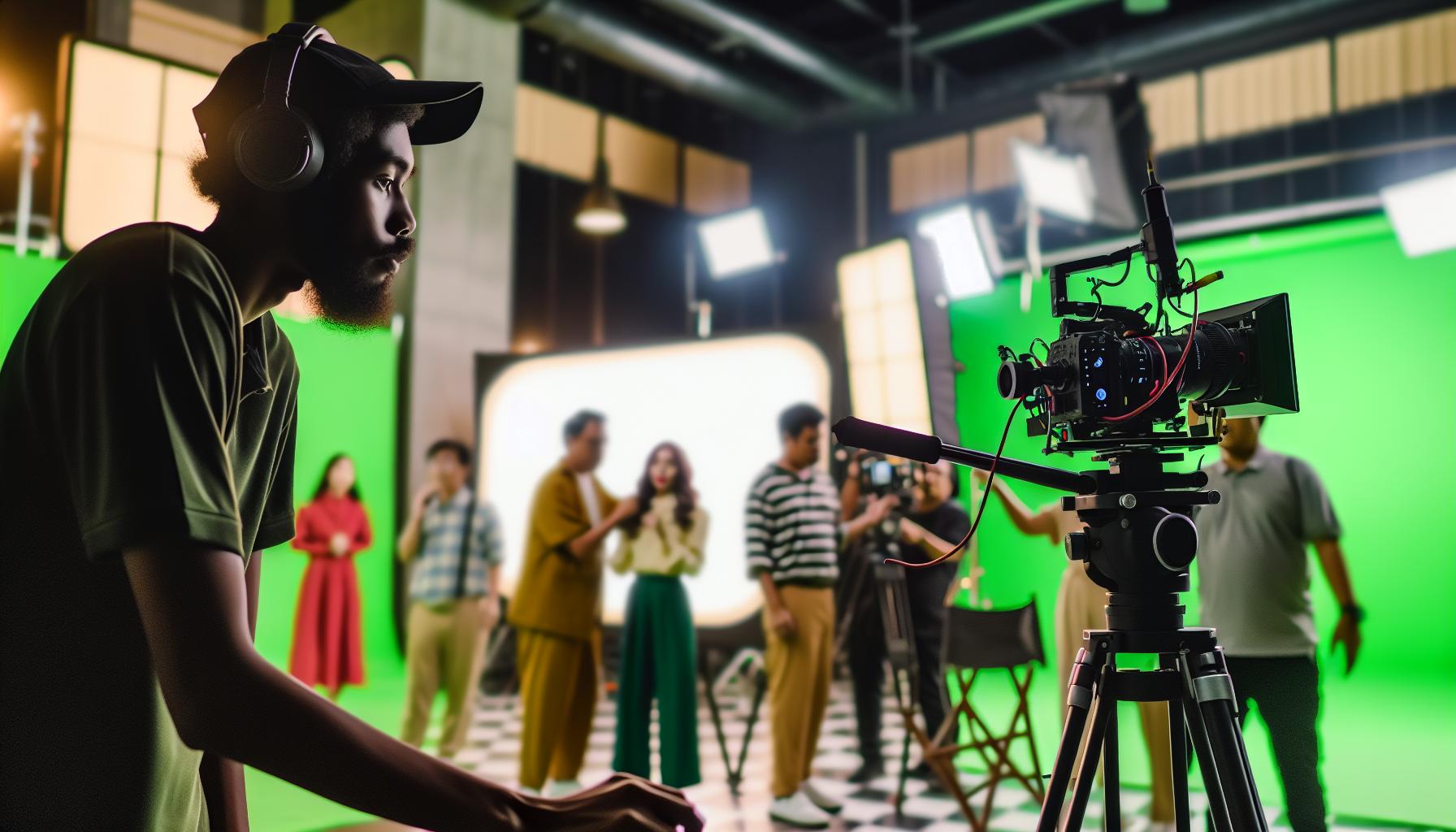
Behind the Scenes: Filming the Segments
The filming of “Mean Tweets” on *Jimmy Kimmel Live* is a fascinating mix of spontaneity, preparation, and celebrity charm. Each segment is more than just reading mean tweets; it’s a finely orchestrated performance that celebrates the humorous side of social media’s darker corners. Imagine a cozy, dimly lit set where celebrities, once V.I.Ps and social media targets, morph into relatable figures as they confront online critics. The vibe is casual yet charged, filled with anticipation for the often hilarious responses.
The Setup
Unlike other scripted segments, the setup for “Mean Tweets” feels almost intimate. Celebrities arrive at the studio, often brimming with both curiosity and nerves, unsure of the roasting they’re about to receive. The production team creates an inviting atmosphere, allowing stars to relax and embrace the absurdity of the situation. As the camera rolls, performers step into the spotlight, ready to share a few laughs at the expense of their online personas. It’s a juxtaposition of celebrity glamour in contrast with the raw, unfiltered nature of Twitter.
Filming Moments
The filming process is where the magic happens. Each celebrity takes a turn reading a selection of tweets that range from sarcastic to downright brutal. While the pre-selected tweets contain a mix of humor and meanness, the genuine reactions from the stars create golden moments of comedy. Producers deliberately capture unfiltered responses, ensuring each clip remains authentic. Watching actors momentarily break their polished persona reveals their humanity and relatability-making for moments that viewers absolutely love.
Editing and Timing
After filming, the editing crew steps in to craft the final piece. This stage is crucial as the show maintains a fast-paced, vibrant rhythm that keeps audiences engaged. The editors select the most hilarious and unexpected tweets, fine-tuning the timing to enhance comedic delivery. This attention to detail ensures that the awkward pauses, laughter, and punchlines are all perfectly aligned, maintaining that ideal blend of shock and humor.
Additionally, the choice of music and visual effects, like cutaway reactions from the audience, amplifies the comedic impact. Each clip, strategically edited, not only serves to showcase the tweets but also highlights celebrity self-deprecation, turning social media critiques into a playful celebration of online engagement.
Thus, the filming of “Mean Tweets” transcends a mere reading of negative comments-it’s a carefully crafted performance that encourages celebrities to embrace their online personas, while also making us feel like we’re all in on the joke. Through humor, it creates a bond between the stars and their fans, encouraging everyone to find joy in the sometimes rough-and-tumble world of social media.
Celebrity Reactions: The Stars’ Perspectives
When celebrities sit down to tackle their mean tweets, the atmosphere crackles with a unique blend of humor and vulnerability. One might think that these stars are aloof or unbothered, but more often than not, they reveal a refreshingly human side. Instead of running away from the sharp barbs cast by Twitter users, they embrace the playfulness of it all, showcasing how humor can be an excellent coping mechanism for the harshness of public scrutiny.
Many stars talk about their surprise at the level of meanness online but also recognize the absurdity of the situation. For instance, when comedian Ali Wong faced off against a seriously cutting tweet about her appearance, her reaction was both earnest and self-deprecating. Rather than getting defensive, she leaned into the joke, delivering a witty retort that had viewers rolling with laughter. This trend of turning negativity into comedic gold not only disarms critics but also elevates the overall experience for the audience.
In the realm of digital fame, navigating negative feedback is almost an art form. Celebrities who participate in “Mean Tweets” often underscore the importance of having a thick skin and finding joy in the unpredictable realm of social media. For instance:
- Katy Perry once tackled a tweet claiming, “Katy Perry looks like she smells like a hot dog.” Her playful acceptance of this jab helped build a relatable persona.
- Matthew McConaughey responded to a harsh critique about his career choices with a grin and a wink, turning a potentially damaging statement into a moment of shared hilarity.
Through these interactions, stars often express their gratitude for their fans who appreciate their willingness to engage with the unfiltered side of social media. They recognize that by confronting their critics head-on, they’re fostering a deeper connection with their audience, creating a communal space where laughter reigns over hurtfulness. The “Mean Tweets” segment ultimately serves as a reminder that while social media can sometimes harbor negativity, it can also blossom into a platform for laughter, creativity, and community-something that every internet user can take to heart.
The Impact of Social Media on Comedy
Navigating the wild world of social media has radically reshaped the comedy landscape, creating a delightful playground for both creators and audiences. “Mean Tweets,” in particular, exemplifies this evolution. The segment capitalizes on our collective fascination with the absurdity of online criticism, transforming hurtful jabs into comedic gold, and offering celebrities a stage to demonstrate resilience and wit. This clever twist on face-off challenges isn’t just entertaining; it plays a pivotal role in how we consume and interact with humor today.
One of the most fascinating aspects is how social media allows comedians to go viral in real-time, engaging with trends as they develop. They can take a harsh tweet, immediately respond through platforms like Twitter or Instagram, and rally their fans around a shared laugh. This instant feedback loop has created a more participatory form of comedy, where audiences feel connected not only to the comedians but also among themselves. Words like “niche,” “cancel culture,” and “stan” aren’t just buzzwords; they represent community dynamics in which fans rally for their favorite comics or public figures, amplifying content that resonates with their humor.
Engagement with social media isn’t just about sharing laughs; it’s also a strategic move to grow one’s brand. Comedians and actors leverage the immediacy of platforms like Twitter to craft and recycle clever content, ensuring they’re always in the public eye. Here are some tips on using social media effectively for comedic pursuits:
- Stay on Trend: Keep an eye on viral memes and hot topics. Incorporating them into your comedy can resonate more with your audience.
- Engage Authentically: Respond to your followers’ comments and join the conversations around your content to cultivate community.
- Experiment with Formats: Short videos, memes, and live streams can showcase your unique style while reaching a broader audience.
Moreover, the ability to instantly share and respond to “Mean Tweets” demonstrates the power of humor as a coping mechanism. Celebrities face public scrutiny daily, yet they turn the sharp barbs of Twitter into moments of levity, allowing the audience to see their vulnerability. This impact echoes across platforms, illustrating how laughter can often serve as armor against negativity, fostering a more connected community in the process.
In essence, comedy today thrives in a digital-first environment, and segments like “Mean Tweets” are not just snippets of laughter but essential commentary on the relationship between humor and online culture. By transforming negativity into positivity, comedians can build an engaged fanbase, turning the harsh realities of social media into a source of joy and community.
How “Mean Tweets” Plays with Internet Culture
In the landscape of digital humor, the “Mean Tweets” segment on Jimmy Kimmel Live! stands out as a masterclass in how to turn the sharp sting of online criticism into a delightful source of laughter. By taking mean-spirited comments and allowing celebrities to read them aloud, this segment not only showcases the absurdity of internet trolling but also provides a platform for stars to reclaim their narratives. It’s a potent reminder that humor is a universal language, especially in the fierce realm of Twitter, where wit and sarcasm reign supreme.
The charm of “Mean Tweets” lies in its ability to morph the negativity of social media into comedic material. This segment plays brilliantly with the culture of virality, a cornerstone of internet interactions. Celebrities reading their own mean tweets creates an instant connection with viewers, allowing for a shared experience that fractures the barrier between the audience and the stars. Rather than glossing over the harshness of online comments, this format embraces them, flipping the script on negativity and inviting viewers to laugh instead of cringe.
The Culture of Sharing and Engagement
Engagement with bold, humorous content like “Mean Tweets” taps into the participatory nature of social media. When celebrities share these segments, they don’t just get a laugh; they encourage fans to engage with the content, share their thoughts, and even post their own comical responses. It’s a cycle of humor that thrives on collaboration, showing that the best jokes often come from community interactions and shared experiences.
Here’s how you can ride the coattails of such internet trends:
- Join the Conversation: Engage with trending hashtags and participate in popular memes that align with your sense of humor.
- Share Your Reactions: Tweet or post your thoughts on funny or outrageous tweets. Your reaction can spark a wave of engagement.
- Be Authentic: Let your personality shine through in your social engagement. People love genuine reactions, especially when it comes to humor.
Ultimately, “Mean Tweets” exemplifies how humor acts as both a shield and a bridge in online culture. It empowers celebrities to face their critics with a grin while building a camaraderie with viewers who appreciate that shared sense of humor in the bewildering realm of social media. In this way, the segment isn’t just about laughter-it’s a cultural commentary on resilience, human connection, and the lightness that can be found even in the sting of a mean tweet.
The Best “Mean Tweets” of All Time Explained
There’s something undeniably captivating about the “Mean Tweets” segment on Jimmy Kimmel Live! that resonates deeply with audiences worldwide. It encapsulates the humor of online trolling in a way that not only entertains but also shines a spotlight on the absurdity of social media criticisms. Some of the best “Mean Tweets” of all time have become iconic, serving as perfect examples of how to take negativity and transform it into laughs.
One standout example comes from Kristen Bell, who read a tweet that bluntly stated, “Kristen Bell has a face like a little brown rat.” Rather than being offended, she played it off with humor, showcasing her ability to laugh at herself. This relatability is the charm of “Mean Tweets”-it’s not just about the laugh but the connection it forges between celebrities and the audience. By sharing these jabs publicly, stars are not only reclaiming their narratives but also allowing viewers to feel included in a shared cultural moment.
Another fan-favorite features Justin Bieber, who read a particularly creative tweet claiming, “Justin Bieber is like a skinny version of a fat kid.” The punchy phrasing and unexpected imagery led to a brilliant reaction from Bieber, who smirked and shook his head, amplifying the comedic effect further. This highlights how effective delivery can elevate a mean tweet from mere insult to comedic gold.
When dissecting the best “Mean Tweets,” it’s clear that timing and presentation are everything. The succinctness of Twitter comments demands a punchy delivery. Celebrities reading these tweets with the right mix of disbelief and humor creates a recipe for unforgettable moments. Consider your own social media interactions: to channel this kind of humor, aim for brevity and wit in your responses. Here are a few quick tips for crafting the perfect comeback:
- Know Your Audience: Tailor your humor to resonate with your followers and their experiences.
- Embrace Self-Deprecation: Don’t be afraid to poke fun at yourself-it’s endearing and relatable!
- Keep It Short and Sweet: A concise, clever retort often packs more punch than a drawn-out rant.
Ultimately, the best “Mean Tweets” aren’t just about the laugh; they serve as a mirror reflecting both the ridiculousness of celebrity culture and the unique interplay of social media interactions. As you engage with your followers, remember that humor can be a powerful tool for connection-much like the stars of “Mean Tweets” have shown us.
Crafting the Perfect Roast: Tips from the Pros
There’s an art to delivering a roast that lands just right, especially when it’s live on a show’s stage like “Jimmy Kimmel Live!” for the “Mean Tweets” segment. Crafting a perfect response to an online jab requires not just wit but also a keen understanding of timing and audience dynamics. Celebrities have perfected this through practice and interaction with their fan base, creating moments that resonate and entertain. Follow these insider tips to master your own roast game, whether you’re responding to mean tweets or just bantering with friends.
Timing is Everything
When aiming for laugh-out-loud moments, timing is crucial. A well-placed pause can build suspense before delivering a punchline, making it all the more effective. For instance, when Kristen Bell cracked a smile before reading a mean tweet, she heightened the audience’s anticipation and made the reveal even funnier. Practice your delivery-try reading your roasts aloud. The more comfortable you are with your material, the better your timing will be.
Know Your Audience
Understanding who you’re communicating with is essential for tailoring your humor. Celebrities often have a diverse fan base, so their responses reflect a balance between self-reference and wider cultural jokes. When Justin Bieber read a quirky roast about himself, his delivery appealed to a broad audience, leveraging his personal experiences while involving his fans. Identify what resonates best with your followers to craft remarks that feel relatable yet funny.
- Draw from Personal Experience: Nothing hits harder than a truth wrapped in humor. Reflect on your journey-what experiences can you turn into comedic gold?
- Self-Deprecation: Don’t be afraid to poke fun at yourself! It’s charming and helps the audience relate. Celebrities like Sarah Silverman excel in this area, making their harshest critics seem paltry by comparison.
Keep It Concise
Twitter’s character limit has bred a culture that values brevity, and the best roasts often mirror that succinct style. A crisp and clever response gets straight to the point and allows for a smooth flow that audiences enjoy. For example, shorter lines often receive more laughs because they surprise and delight, rather than overstaying their welcome. When crafting your response, focus on clarity and punch-make it easy for your audience to appreciate the humor in a fleeting moment.
Ultimately, the best roasts encapsulate a blend of wit, relatability, and sharp delivery that leaves a lasting impact. Turn those social media critics into your comedic muse; after all, if celebrities can turn harsh tweets into humor, so can you! With a dash of confidence and creativity, you can navigate the online banter game like a pro.
Engaging with Fans: Social Media Strategies
In today’s social media landscape, where every tweet can spark a meme or a viral trend, mastering the art of engaging with fans is crucial for any celebrity looking to navigate the waters of online presence. Celebrities featured on “Jimmy Kimmel Live!” during the “Mean Tweets” segment have been able to turn Twitter’s sometimes harsh commentary into comedic gold, and they often leverage that same platform for meaningful engagement with their followers. After all, engaging with fans not only boosts visibility but also builds a loyal community.
One prime strategy is to be authentic. Fans appreciate when celebrities break the fourth wall and show their human side, especially when confronted with mean tweets. For instance, reading and responding to criticism in a humorous way can make followers feel connected rather than alienated. Celebrities can capitalize on this by sharing their own experiences related to the mean tweets, fostering a sense of camaraderie and relatability. Turning a barb into a self-effacing joke not only showcases their personality but also turns potentially negative interactions into positive ones.
Another effective tactic is to stay current with trends and utilize social media features to engage directly with fans. Use polls or Q&A sessions on Twitter and Instagram Stories to invite opinions or feedback. For example, you might ask followers to vote on their favorite “Mean Tweet” reading or share their own experiences with internet trolls. Not only does it create interaction, but such efforts also portray celebrities as approachable figures. Here’s a quick guide to increasing engagement:
- Reply to Mentions: A simple thank you or a playful response to a fan can go a long way.
- Utilize Hashtags: Jump on trending hashtags or create your own to encourage fan participation.
- Host Live Sessions: Go live to read mean tweets and interact with fans in real-time, allowing for spontaneous humor.
Ultimately, the goal is to foster a community where humor, empathy, and authenticity collide. When celebrities embrace both the light and dark sides of social media-like integrating the humor from “Mean Tweets” into broader conversations-they not only entertain but also create an environment that encourages fans to engage actively and positively.
Why “Mean Tweets” Resonates with Viewers
There’s something beautifully chaotic about turning the sting of a mean tweet into a moment of shared laughter, and that’s exactly why viewers can’t get enough of this iconic segment. Every time a celebrity sits down to read their harshest online critiques on “Jimmy Kimmel Live!”, it’s like watching a masterclass in resilience wrapped in humor. Fans love the show because it flips the script on social media negativity-what’s typically a source of anxiety becomes a punchline, allowing stars to shine even in the face of criticism.
At its core, the appeal lies in relatability. Celebrities, despite their glittering lives, are grounded by the same vulnerabilities that affect everyday people. Who among us hasn’t faced a harsh comment or a snarky tweet? By sharing their experiences, stars like Sarah Silverman or Kristen Bell remind audiences that they’re human too. This connection not only fosters empathy but also encourages viewers to embrace their own imperfections. When these celebrities laugh off their critics, it empowers fans to adopt a similar attitude toward negativity in their own lives.
Moreover, the clever writing and comedic timing elevate the segment from mere reaction to entertainment gold. The juxtaposition of the often ridiculous statements with the celebrities’ responses creates a comedic rhythm that keeps audiences hooked. It also showcases the art of comedy: how pain can be turned into punchlines. This synergy between humor and personal vulnerability resonates deeply across demographics-everyone loves a good roast, especially when it’s delivered with charm and a wink.
In a digital landscape saturated with curated perfection, “Mean Tweets” serves as a breath of fresh air. It champions authenticity over facade, showing that laughter can be found in adversity. This relatable twist on celebrity culture not only makes people chuckle but also reinforces the idea that together, we can drown out the noise of negativity with humor and heart. So, the next time you scroll through your timeline, remember that laughter is the best reply to a mean tweet, and sometimes, even a celebrity hits “tweet” on a zinger you can relate to.
The Evolution of the Segment Through the Years
The “Mean Tweets” segment on Jimmy Kimmel Live! has seamlessly evolved from a quirky idea into a cultural phenomenon that highlights the intersection of celebrity life and social media criticism. Launched in 2012, this segment turned the sting of mean tweets aimed at public figures into a comedic goldmine, allowing audiences to witness both the vulnerability and resilience of the stars. Over the years, its format has maintained the same core concept-celebrities reading mean tweets about themselves-but the evolution reflects broader changes in social media dynamics and celebrity culture.
Initially, the segment featured a limited selection of A-list stars, mainly actors and musicians. Fast-forward to today, and the roster has expanded to include a wide variety of personalities across different fields, including influencers, athletes, and even social media icons. This diversification mirrors the rise of new platforms like TikTok and Instagram, where the audience’s voices have become louder and more influential. As the show kept up with the changing landscape, the responses became not only humorous but also served as a reminder of the responsibility that comes with online popularity.
As social media has grown, so too has the tone and style of the tweets featured. What started as simple, snarky comments has transformed into a complex interplay of satire and societal observations. The best tweets now often poke fun at the absurdities of fame and fandom, leading to deeper reflections by the celebrities themselves. For instance, the likes of Tiffany Haddish or John Legend have turned their readings into clever commentaries on the very nature of fame, poking fun at both themselves and the social media culture that birthed these critiques.
The impact of “Mean Tweets” can also be seen in how it has influenced the way celebrities interact with their own critics online. Many stars who have participated in the segment emerge with a newfound attitude of acceptance toward online negativity. They use their platforms to promote resilience, often encouraging fans to adopt a similar mindset. This transformation illustrates that humor is a powerful counter to negativity, pushing back against the darker aspects of internet culture.
In essence, “Mean Tweets” stands as a testament to the playful resilience of celebrities in the age of social media. It not only entertains but also fosters a connection between stars and audiences, reminding us all that laughter can be the best antidote to online criticism. As the segment continues to evolve, it will undoubtedly keep reflecting the pulse of contemporary culture, ensuring relevance in a world where tweets can lead to fame or infamy in the blink of an eye.
Future Trends: What’s Next for “Mean Tweets”?
The enduring popularity of the “Mean Tweets” segment on *Jimmy Kimmel Live!* hints at exciting future trends that blend comedy with the ever-evolving landscape of social media. As swathes of new voices rise on platforms like TikTok and Instagram, Kimmel’s team may soon tap into these platforms to broaden the format, possibly incorporating video responses and bite-sized reactions that resonate with younger audiences. Imagine celebrities not just reading their tweets but reacting in real-time on social media, creating a loop of engagement through humor sometimes seen in viral TikTok trends.
Expanding Celebrity Diversity
Implementing an even wider variety of celebrity guests is a likely trend on the horizon. We could see the inclusion of YouTube stars, TikTok influencers, and even public figures from non-entertainment backgrounds, adding fresh dimensions to the humor. For example, influencers known for specific niches might bring uniquely tailored mean tweets that reflect their online personas. This would not only enhance relatability but could also spark conversations around contemporary topics like cancel culture and internet fame, which often become the heart of viral discussions.
Collaboration with Fans
Furthermore, engaging audiences as active participants in the segment could dramatically shift the dynamic. By allowing fans to submit mean tweets or vote on tweets they want to see read, the show could foster a community vibe that makes the viewing experience more interactive. It’s a straightforward way to harness user-generated content, which is extremely popular these days. Viewers love to feel involved, and the blend of user contributions could lead to some hilariously self-deprecating celebrity responses, turning the segment into a true collaborative effort.
The Rise of the Meta-Mean Tweet
Lastly, as internet culture becomes increasingly layered, we might witness the emergence of “meta-mean tweets”-tweets that comment on the ridiculousness of the tweets themselves. Think of tweets that dissect internet culture in a humorous way, revealing the quirks of social media interactions and fandom. This could place an even sharper focus on satire, allowing celebrities to not only react to negativity but to engage in a dialogue about the relevance of social media and its implications on identity and self-perception in the digital age.
The “Mean Tweets” segment is ripe for innovation and evolution, reflecting a culture where comedy, social media, and audience engagement grow deeper roots. By staying current with these trends, it can not only maintain its relevance but also enhance the collective online experience, proving that a little laughter can be a powerful tool in the digital age.
Faq
Q: What inspired the creation of Jimmy Kimmel’s Mean Tweets segment?
A: The Mean Tweets segment was inspired by the culture of social media, specifically Twitter, where users often express harsh opinions. It combines humor and vulnerability, allowing celebrities to confront and laugh off negative comments, making it relatable content for viewers interested in internet culture.
Q: How are the celebrities selected for the Mean Tweets segment?
A: Celebrities are selected based on their popularity and relevance at the time, often featuring current trending figures and familiar names. The goal is to ensure a diverse mix of personalities that resonate with the show’s audience, enhancing engagement and relatability.
Q: What is the filming process like for the Mean Tweets segments?
A: Filming involves a straightforward setup where celebrities read mean tweets on-camera, often in a relaxed atmosphere. This candid approach helps evoke genuine reactions, making the segment entertaining and authentic. Expertly edited, it captures the spontaneity and humor that the audience loves.
Q: How do celebrities feel after participating in Mean Tweets?
A: Many celebrities find the experience liberating and humorous. By confronting mean comments publicly, they often turn negativity into a comedic moment, fostering a connection with fans who appreciate their ability to laugh at themselves. It can be an empowering experience.
Q: What has been the cultural impact of Mean Tweets?
A: Mean Tweets has significantly influenced internet culture, creating a space for humor in the face of online criticism. It has shaped how audiences view celebrity personas and contributed to discussions about online trolling, encouraging a more light-hearted approach to harsh comments.
Q: Are there any memorable celebrity reactions from Mean Tweets?
A: Yes, some of the most memorable reactions include celebrities breaking into laughter or mock disbelief, such as when Justin Bieber read a tweet about his hair. These genuine reactions add to the segment’s appeal, showcasing the humor in even the harshest criticisms.
Q: How has the format of Mean Tweets evolved over the years?
A: The format has evolved to include themed editions, such as musical guests or character-specific tweets. This adaptation keeps the content fresh and relevant while maintaining the core concept of celebrities reading and reacting to mean tweets, ensuring ongoing audience engagement.
Q: What social media strategies does Mean Tweets utilize for promotion?
A: Mean Tweets leverages viral clips on platforms like Twitter and TikTok to maximize reach. These snippets often feature the funniest moments, encouraging shares and comments. This strategy not only promotes the episode but also engages viewers with the humor and relatability of the tweets.
In Retrospect
Thanks for diving into the fun world of “Jimmy Kimmel Mean Tweets: Behind the Scenes of TV’s Best Segment”! We’ve explored how this hilarious segment sheds light on the unique blend of celebrity culture and social media scrutiny. If you loved this backstage access, don’t miss our other articles on viral trends and Twitter culture, like our breakdown of the top 25 unforgettable “Mean Tweets” or a guide on unlocking the secrets of viral content creation.
Want to keep the laughter going? Join our newsletter for the latest insights into entertainment trends and social media tips that help you stay in the know and ahead of the curve. Remember, the internet never sleeps, and neither should your curiosity! Share your favorite “Mean Tweets” moments in the comments below, and don’t forget to check back for more engaging content that keeps your social media skills razor-sharp and your humor intact. Stay trendy and keep laughing!