

In a world where every tweet can spark joy or unleash chaos, punk rock icons Green Day take a daring dive into the often harsh waters of internet hate with “Green Day Reads Mean Tweets.” This unique exploration merges music culture with social media reality, offering fans an unfiltered glimpse of how their favorite band handles negativity online. As they tackle criticisms and absurd comments while keeping their signature humor, Green Day reminds us that resilience can be as punk rock as a power chord. So, grab your virtual front-row seat and join the conversation about navigating hate with a dose of humor and grit-because if there’s one lesson in punk, it’s that love and laughter can conquer all, even on the internet!
Punk Rock’s Response to Internet Hate
The internet can sometimes feel like a wild west filled with trolls and keyboard warriors, but punk rock, with its rebellious spirit, has found a way to respond creatively and effectively to online hate. The rise of social media has introduced a new battlefield for artists like Green Day, transforming negative feedback into comedic gold. Their “Mean Tweets” segments, for instance, showcase a perfect blend of humor and defense against vitriol. By highlighting absurd or harsh comments with a cheeky, laid-back attitude, they not only disarm haters but also foster a sense of community among their fans, who relish the shared experience of rallying against negativity.
Engaging with internet hate through humor is a powerful strategy that resonates well across social platforms. Punk culture has always thrived on authenticity and defiance, and when the likes of Green Day take trolls in stride, it reaffirms the community’s connection. Users on platforms like Twitter can draw inspiration from this approach; rather than reacting angrily, they can use the opportunity to transform negativity into light-hearted banter, often leading to unexpected viral moments. Consider using memes or witty comebacks when faced with online hate-this not only boosts engagement but also lightens the mood of your followers.
Moreover, the punk ethos promotes resilience, which is an invaluable tool when navigating social media. Embracing a strong sense of identity can empower users to rise above hate. Create posts that reflect your genuine self, remain steadfast in your beliefs, and don’t let detractors redefine your narrative. For instance, when faced with criticism, a quick video reply or even humorous content that juxtaposes the negativity with uplifting messages can turn a potentially damaging comment into a launching pad for positive engagement.
Ultimately, the punk rock response to internet hate is about community, resilience, and humor. By building a supportive online environment, artists and fans alike can create safe spaces for expression and connectivity. Remember, every troll faced and every mean tweet read only serves as fuel for the fire of creativity and community in this ever-evolving digital landscape. Embrace the chaos and let your unique voice shine through.
Understanding Green Day’s Unique Culture
Fans of Green Day know that the band embodies a unique fusion of punk rock rebelliousness and a savvy approach to modern internet culture, creating an interactive space where humor and defiance coexist. Their approach to online criticism, particularly showcased in their “Mean Tweets” segments, demonstrates how they turn the negativity of online trolls into comedic moments that resonate with their audience. Picture this: a tweet declares, “Green Day is just a glorified cover band,” and instead of cringing, Billie Joe Armstrong gives a chuckle and delivers a sassy comeback. This not only neutralizes the hater’s words but also reinforces their connection with fans who appreciate their candidness.
To really grasp how Green Day navigates their digital landscape, let’s dive into a few practical elements that define their culture. First, they exemplify the punk ethos of authenticity. In a world of filtered perfection, Green Day’s willingness to share genuine responses-perhaps quirkily deflating an insult-helps fans relate to them on a personal level. Artists aiming to emulate this should:
- Engage with your audience: Don’t shy away from responding to comments, whether they’re positive or negative.
- Be authentic: Show your real self; fans appreciate transparency, especially when you make fun of the absurdity of some tweets.
- Use humor wisely: Light-hearted responses can diffuse tension and make your online presence more relatable.
Additionally, Green Day thrives on community-building. They utilize social media as a platform to bring their fans into the conversation, fostering a sense of belonging. A tweet reading, “I hate that new Green Day album!” might lead to a flood of supportive fans rallying behind them, spurring discussions that amplify camaraderie. Artists should encourage this by creating interactive posts, asking followers to share their thoughts and experiences.
Lastly, their presence is not just about combating hate; it’s about setting the tone. Through satire and humor, they redefine narratives, encouraging fans to see negativity through a light-hearted lens. If negative feedback arises, artists can create engaging dialogue, transforming it into content that highlights community solidarity rather than marginalizes dissent.
In this unpredictable landscape, embracing the chaos as Green Day does is essential. Fans and creators alike can channel their inner punk by responding with wit and authenticity, all while cultivating an online space that thrives on creativity and connection. Remember, every tweet and every engagement reflects a unique voice-let it shine brightly, even amidst trolls.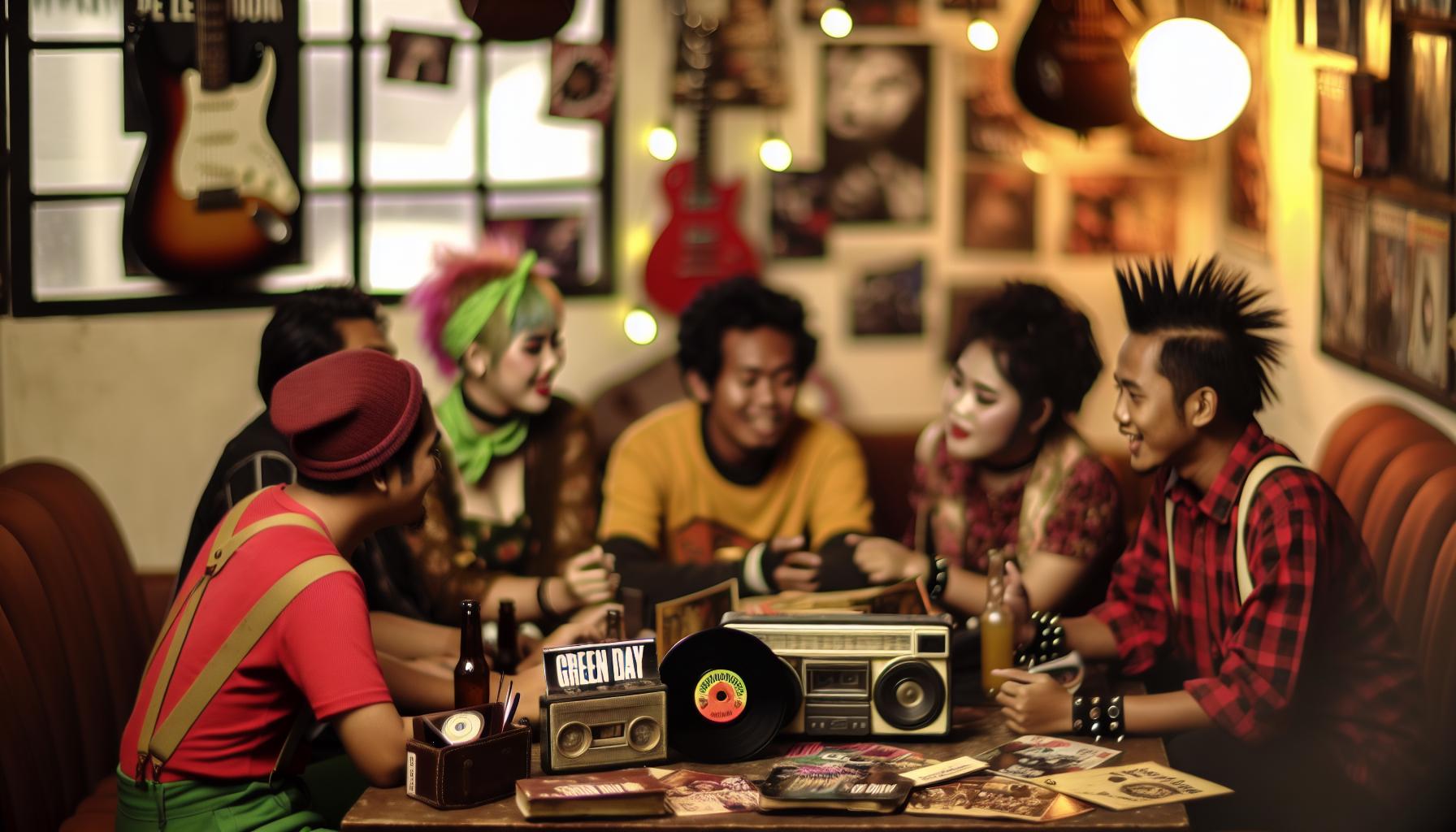
The Impact of Social Media on Music
Engaging with fans and critics alike, social media has transformed the music landscape, giving artists like Green Day a dynamic platform to amplify their voices-and yes, even poke fun at their detractors. With the rise of short, snappy exchanges on platforms like Twitter, musicians can respond in real-time to criticism, celebrate fan interactions, or even address the chaotic whirlwind of internet hate. Green Day’s “Mean Tweets” series epitomizes this trend, as the band showcases not only their sense of humor but also their keen understanding of how to leverage social media to maintain relevance and foster community.
Being part of the ever-evolving digital culture means artists must adapt to new communication styles. In the past, messages were often filtered through publicists or formal statements; now, it’s all about authenticity. Bands like Green Day exemplify the modern embrace of *realness*, using their social media presence to break down the barrier between fan and artist. Here are a few strategies any musician can adopt to harness the power of social media effectively:
- Leverage humor: Green Day takes jabs at internet trolls, turning negativity into comedic gold. This not only lightens the mood but strengthens their connection with fans who appreciate their playful edge.
- Amplify fan voices: By interacting with followers and sharing user-generated content, artists can create a more inclusive atmosphere. Green Day often highlights fan art, cover videos, and even memes, encouraging participation and loyalty.
- Real-time engagement: Platforms like Twitter allow for instantaneous responses to trending topics or criticisms. This immediacy keeps fans engaged and can turn a negative comment into a viral moment, as shown in their “Mean Tweets” segments.
The impact of social media goes beyond individual artists; it reshapes how genres evolve and how movements form. The punk scene, with its roots in defiance and commentary, has found new life online, where issues can be addressed and shared quickly. This responsiveness allows punk rock, as embodied by Green Day, to remain politically charged and culturally relevant, even among the rapidly shifting currents of internet culture. Artists must navigate this landscape with a mix of authenticity, humor, and community engagement to thrive in an era dominated by social media.
Analyzing ‘Mean Tweets’: A Case Study
Diving into the wild world of social media, few trends encapsulate the humor and resilience of punk rock like Green Day’s “Mean Tweets” series. This clever segment not only highlights the band’s talent for turning negative comments into a source of entertainment but also serves as a sharp commentary on the nature of online interactions. Whenever the internet fires off its often brutal critiques, Green Day is there to laugh it off, showcasing how punk’s rebellious spirit thrives even amidst the chaos of Twitter trolls.
The brilliance of the “Mean Tweets” approach lies in its relatability; it captures the very essence of engaging with a culture that often mirrors and critiques its audience. By reading out loud some of the more absurd and harsh comments they’ve received, the band does two things: first, they humanize themselves in a world that can feel mechanical and distant. Second, they reward their fans with a sense of shared humor, turning the tide of negativity into a celebratory experience. This is a masterclass in owning one’s narrative, especially in an age where public perception can be rapidly shaped by fleeting social media impressions.
Creating Viral Moments
For artists looking to replicate this magic, here are some actionable tips to navigate their online presence:
- Engage Authentically: Don’t shy away from criticism. Instead, pull the curtain back and address it head-on with humor.
- Utilize Video: As shown by Green Day, videos can amplify the punchline. Consider sharing responses through quick clips – they capture attention and encourage sharing.
- Foster Community: Invite your followers to contribute their takes. Create hashtags for fans to share their most hilarious critiques of your work.
Green Day’s method isn’t just about the laughs; it reveals a deeper understanding of their audience and cultivates a sense of community. By transforming hurtful remarks into playful banter, they remind fans that no one is off-limits when it comes to laughter, and that punk rock will always have a place for humor-especially in the face of adversity. In essence, “Mean Tweets” transcends mere entertainment; it’s a cultural commentary on how to embrace our imperfections and share in the collective laughter that comes from navigating online criticism together, punk style.
The Power of Humor in Combating Hate
In the whirlwind of today’s digital landscape, where keyboard warriors can unleash their venom with a single tweet, finding effective strategies to counteract hate becomes crucial for artists and content creators. One such strategy that shines brightly is humor – a tool that can diffuse negativity and transform hurtful comments into moments of connection. Green Day’s “Mean Tweets” series exemplifies this art, turning scathing critiques into comedic gold that resonates with fans while also sending a stark message: laughter can stand tall in the face of online vitriol.
By embracing a lighthearted take on their critics, Green Day not only highlights the absurdity of negative comments but also encourages their audience to join in on the fun. It’s a clever way to humanize themselves in a world that often reduces public figures to mere avatars on a screen. When they read aloud ridiculous tweets, they create a shared experience that fosters camaraderie among fans, reminding everyone that it’s okay to laugh at life’s little jabs. This engagement transforms the narrative from one of victimhood into a celebration of resilience – because who better to poke fun at you than yourself?
To harness the power of humor effectively, content creators can adopt several strategies that echo Green Day’s approach. First, it’s vital to connect authentically with your audience. Don’t shy away from addressing negative feedback; instead, tackle it head-on with a witty response that showcases your personality. Use platforms like TikTok or Instagram Stories to share moments that evoke laughter, alongside your commentary, as these tend to go viral and encourage shares.
Additionally, consider the role of interactive elements. Start a hashtag inviting your followers to share their wildest critiques or even their favorite amusing moments from your work. This not only helps to create a community but positions you as someone in tune with your audience’s humor – a big win in the social media game. Remember, cultivating a supportive environment sprinkled with laughter transforms negativity into something that can be collectively overcome, making each interaction a step towards building a loyal fan base.
In short, humor is not just an escape from the harshness of online hate; it’s a powerful weapon that punk rockers like Green Day wield with masterful precision. By embracing the absurd and encouraging community engagement, artists can not only mitigate the effects of online negativity but also foster a culture of solidarity and resilience, proving that laughter truly is the best medicine – even in the face of internet trolls.
Punk Rock as a Form of Resistance
In a world dominated by noise and negativity, punk rock’s ethos shines brightly as a formidable form of resistance. This genre, born out of defiance and a fierce spirit, empowers artists and fans alike to challenge societal norms and confront the rampant hate proliferating online. Green Day’s “Mean Tweets” series is an epitome of this resistance, transforming scornful tweets into a platform for resilience and unity. In this way, punk rock serves not only as a musical genre but as a powerful movement that fights back against oppressive voices.
Punk rock has always thrived on raw authenticity and a DIY approach, which speaks directly to the heart of social media culture. When a band like Green Day reads mean tweets, they are not just mocking insults; they are inviting their community to collectively laugh at the absurdity of hate. This act of turning negativity into entertainment cultivates a sense of belonging and defiance among fans. It encourages everyone to share personal stories of resilience, transforming the narrative around online hate from one of isolation to one of solidarity.
The act of resistance in punk culture provides valuable lessons for navigating the turbulent waters of social media. Artists can adopt practices that embrace the punk rock spirit by focusing on transparency and interaction. Here are some savvy strategies to amplify this resistance:
- Engage Authentically: Share personal experiences and genuine reactions to hate comments, creating a relatable moment that resonates with followers.
- Content that Sparks Conversation: Use polls or question stickers in stories to invite fans to share their own experiences with online negativity, fostering a supportive dialogue.
- Amplify Positive Messages: Highlight fan stories of strength or creativity that counteract hate, effectively turning a negative into a positive.
By channeling the punk rock ethos into social media interactions, artists not only demonstrate resilience but also educate their followers on combating negativity with creativity and humor. This approach not only nurtures a supportive community but also transforms punk rock into a beacon for those affected by the toxic elements of online culture. Ultimately, through shared laughter and togetherness, punk rock inherently fuels resistance against the pervasive tide of internet hate, uniting fans and artists in a celebration of authenticity and strength.
Is Internet Hate Changing Punk Music?
In the chaotic world of internet culture, where keyboard warriors lurk around every corner, punk rock is facing a unique transformation fueled by the flames of online hate. Bands, most notably Green Day, are not just encountering this wave of negativity; they’re flipping it on its head, using platforms like Twitter to turn hostile comments into humorous content through their “Mean Tweets” series. This impactful engagement not only showcases the band’s resilience but also prompts a broader reflection on how internet hate is reshaping punk music as an art form.
As punk music has always been about challenging the status quo, the internet provides a new arena for artists to wrestle with public perception and critique. Social media serves as both a sounding board and a battleground, where every artist’s response to hate can resonate with fans or alienate them. One striking example is Green Day’s approach to these scathing tweets: rather than ignoring or deleting them, they make them a focal point for community interaction and communal laughter. This kind of engagement signals a shift where artists are more interactive and relatable, integrating their responses to internet hate directly into their musical narratives.
Strategies for Navigating the Hate
When it comes to addressing toxic comments and extending punk rock’s rebellious spirit into the digital realm, here are some practical strategies musicians can adopt:
- Transform Negative into Positive: Use mean comments as material for new songs or social media posts. This not only showcases your creativity but also builds a strong connection with your audience who may face similar backlash.
- Host Q&A Sessions: Engage your fans in live sessions where they can share their experiences with online haters. This creates a safe space for dialogue, further strengthening your community.
- Utilize Humor: Humor can defuse a lot of tension. Adopting a lighthearted approach to criticism, as seen in “Mean Tweets,” shows strength and resonates well with followers who appreciate authenticity.
Ultimately, internet hate is both a challenge and an opportunity for punk music. As artists redefine their relationship with social media, they’re not just responding to negativity; they’re crafting narratives that celebrate resilience and unity. This evolution reflects the very core of punk rock – a relentless defiance against oppression, transformed with a modern twist that invites audiences to join the fray.
Social Media Strategies for Musicians
In a world where social media can sometimes feel like a minefield of negativity, musicians must navigate the complex waters of internet culture with creativity and confidence. Green Day’s approach to facing down online hate through witty retorts and humor is a brilliant blueprint for anyone looking to manage their online presence. Embracing the chaos with a healthy dose of levity not only helps in diffusing potential backlash but can also endear artists to their fanbase, showcasing their authenticity in the crowded digital arena.
One effective strategy is to leverage memes and viral trends. Turn negative comments into engaging content that resonates with followers. For instance, when Green Day tackles mean tweets with humorous replies, they tap into the zeitgeist of internet culture. This approach not only highlights their resilience but also allows fans to share in the laugh, creating a sense of community. By utilizing platforms like Twitter to respond in a lighthearted manner, musicians can diffuse negativity and even turn criticism into a marketing tool.
To truly harness the power of social media, musicians should also engage regularly with followers through interactive formats. Hosting live Q&A sessions or surveys can provide a platform for fans to express their thoughts and experiences, which cultivates a supportive atmosphere. This not only empowers fans but also gives artists insight into their audience. When artists openly discuss challenges, including dealing with online hate, it humanizes them and strengthens their bond with followers.
Finally, creativity is key. Using negative comments as inspiration for new content-be it a song, video, or social media post-can flip the narrative entirely. For example, Green Day might take a particularly harsh critique and craft a tongue-in-cheek song that playfully echoes the sentiment, turning the criticism into a crowd-pleaser. By transforming hate into art, musicians not only assert their creativity but also send a clear message: negativity won’t deter their passion.
Navigating social media with a punk rock spirit means embracing the unexpected and standing firm against negativity. By employing humor, fostering interaction, and applying creativity, musicians can not only protect their mental well-being but also thrive in the vibrant, sometimes chaotic world of online engagement.
Lessons from Green Day for Artists Today
In the age of social media, where criticism can spread like wildfire, artists face a unique set of challenges-especially in a culture fueled by instant reactions and meme-worthy moments. Green Day’s genius lies not just in their music but in how they’ve managed to turn the tide against negativity in the digital world. Their playful engagement with online hate through platforms like Twitter has become a case study in resilience and wit, offering solid takeaways for artists navigating similar waters.
With humor as their shield, Green Day demonstrates that responding to negativity can be as entertaining as it is informative. Here are some key lessons artists can implement to fortify their online presence:
Leverage the Power of Humor
Use jokes, memes, and playful tweets to combat negative comments. This approach not only disarms critics but also showcases your personality. Think of how Green Day transforms “mean tweets” into comedic gold. To channel this strategy:
- Draft witty one-liners that flip the original critique on its head.
- Share humorous graphics or memes that resonate with your brand while poking fun at the negativity.
Engage and Connect
Building a community that rallies behind you can help diffuse the power of online hate. Regular interaction with followers makes them feel invested in your journey. Consider:
- Hosting live Q&A sessions to discuss both music and social topics.
- Creating polls or fan challenges that encourage them to share their thoughts and experiences.
By fostering these relationships, you create a buffer against negativity, turning fans into allies.
Transform Criticism into Creativity
Many artists, including Green Day, have turned harsh criticism into compelling content. Use negative feedback as a springboard for new songs, videos, or social media posts. For instance:
- Write a song that echoes the sentiment of a particularly scathing review, owning it in a way that resonates with your audience.
- Create a funny video skit that depicts the absurdity of online hate, showcasing your creativity and resilience.
By embracing these strategies, artists can not only weather the storms of online criticism but also ride the waves of social media culture. This balancing act between humor, engagement, and creativity can bolster your image and allow you to thrive in a world where internet fame can be as fleeting as it is powerful.
The Evolution of Punk Rock Sensibilities
Punk rock has always been about breaking down barriers and challenging the status quo, and its evolution in the digital age is no exception. As social media platforms emerged, they became new stages for both artists and fans, transforming traditional interactions into real-time dialogues. This shift has allowed punk rock bands, like Green Day, to adapt their messaging, amplify their voices, and respond to criticism in ways that resonate with their audience.
One of the most engaging aspects of this evolution is how bands use humor to confront negativity online. Punk rock’s DIY ethic has seamlessly crossed over into the meme culture that dominates social media. For instance, Green Day has turned the concept of “mean tweets” into an opportunity for playful engagement, demonstrating that sharp wit can diffuse hostility. Their responses are not just retaliatory; they reflect a deeper commitment to embracing vulnerability and relatability, elements that remain at the heart of punk’s ethos.
In navigating the landscape of internet hate, we see a remarkable blend of traditional punk rebellion and modern communication strategies. The genre’s evolution has allowed fans to engage in fierce debates, share raw opinions, and express solidarity-all while fostering a community that defies the isolating effects of online negativity. This community-driven spirit echoes the punk rock origins of unity and resistance against conformity. As artists embrace the tools available to them, they cultivate an environment where camaraderie flourishes, making resistance not only an act of rebellion but also a celebration of connection.
Moreover, the incorporation of interactive elements-like Twitter polls, live Q&As, and fan-generated content-serves to enhance the relationship between artists and their audiences. This two-way street enables musicians to navigate criticism more effectively while holding onto their core punk sensibilities; they become a part of the conversation rather than merely responding to it. By doing so, they not only manage negativity but also wield it as a tool for creativity, turning criticism into compelling art that reflects their lived experiences and those of their fans.
As punk rock continues to evolve in the face of internet hate, it challenges us to reconsider how we engage with negativity and transform it into something productive and meaningful. With humor, community, and creativity as guiding principles, the punk movement remains a powerful force in an ever-changing digital landscape.
Navigating Online Negativity: Tips for Fans
Navigating negativity online, especially as a fan of punk culture, can feel like riding a wild rollercoaster-thrilling yet daunting. The internet is a place where everyone has an opinion, and sometimes those opinions can sting more than a slice of lemon on a paper cut. But fear not! Just as Green Day flips the script on negative commentary with humor in their “Mean Tweets” segment, you too can develop strategies to buffer yourself against the waves of trolling and nastiness that creep into your timeline.
To start, embrace the power of humor. It’s not just a tool for bands like Green Day; it’s something you can wield too. Next time a particularly nasty comment rolls through, try responding with a quip that’s light-hearted or sarcastic. Think of it like a good-natured roast-a way to deflate the situation while showcasing the type of resilience that punk rock embodies. This not only leaves you feeling empowered but may also transform the conversation into something constructive rather than destructive.
Another critical element in handling online negativity is bolstering your privacy settings. Tuning into your digital safety can make all the difference when it comes to how much negativity you’re exposed to. Here’s a quick rundown:
- Twitter: Go to Settings & Privacy > Privacy and safety. Here, you can protect your tweets and control who can see your followers and likes.
- Instagram: Navigate to Settings > Privacy. Enable “Hide Offensive Comments” to filter out potential garbage.
- Facebook: Head to Settings & Privacy > Settings > Audience and visibility to limit who can comment on your posts.
Next, remember to curate your social feed. You don’t have to follow accounts that bring you down. Surround yourself with positivity by connecting with like-minded punk fans who exude the same ethos of rebellion and solidarity. Engage with creators and circles that inspire you, whether through uplifting art, music, or thought-provoking content.
Additionally, don’t underestimate the power of community blockers. If you come across accounts that are consistently negative or abusive, don’t hesitate to mute or block them. Cultivating a supportive online environment is crucial; think of it as curating your personal punk rock festival backstage pass-only the good vibes allowed!
Finally, when negativity threatens to pull you down, remind yourself of the community-driven spirit at punk rock’s core. Engage with fellow fans who uplift and inspire you through shared interests in bands, gigs, or just online banter. By fostering connections with other fans, you create a wall of support that can fortify your punk spirit against the weight of internet hate.
In the end, it’s all about channeling that punk rock resilience-laughing it off, setting your boundaries, and finding strength in numbers. So, go ahead and keep rockin’ out with your meaningful tweets and positive vibes!
Building a Supportive Community Online
Navigating the wild west of online interactions can often feel like a mosh pit at a punk rock concert-thrilling, chaotic, and sometimes downright hostile. But just as bands like Green Day turn negativity on its head through humor, you can build a vibrant, supportive community online that amplifies your punk spirit rather than diminishing it. Creating an atmosphere of positivity in the digital space is all about connection, engagement, and using your online presence to elevate the punk ethos of resilience and rebellion against hate.
First things first: curate your online circles! Surround yourself with fellow fans and friends who celebrate the punk culture and inspire you with their creativity and passion. Engage with those who share your interests, be it music, art, or even the latest viral trends. It’s like forming your own punk collective where positive vibes reign supreme and negativity can’t penetrate. You can do this by following accounts that focus on uplifting content, whether it’s through hilarious memes, discussions about favorite bands, or promoting local punk shows. If you encounter toxic interactions, don’t hesitate to use the block or mute functions-consider it your digital safety net.
Embrace the Power of Positivity
Consider hosting or participating in online events, such as virtual jam sessions, collaborative playlists, or even discussion threads about your favorite punk albums. These activities not only strengthen bonds with like-minded individuals but also foster a sense of belonging in a community united by shared passions. Use platforms like Twitter or Instagram to start conversations with hashtags like #PunkSupport or #MeanTweetsChallenge to encourage others to share their stories of overcoming online negativity with humor and solidarity.
Another vital part of building a supportive online community is being proactive about your online presence. Take control of your interactions by adjusting your privacy settings to filter out negativity. For instance, on Twitter, navigate to Settings & Privacy > Privacy and safety to protect your tweets from unwanted eyes or potential trolls. Adjust Instagram’s settings by enabling “Hide Offensive Comments” under Settings > Privacy to create a more welcoming feed.
Engaging with Your Community
Stay active by contributing positively to discussions-share your favorite Green Day clips, review recent albums, or post about experiences at concerts. Encourage followers to respond and share their thoughts, creating a two-way conversation that emphasizes connection. Responding with humor, much like how Green Day champions positivity through their “Mean Tweets” segment, can lighten the mood and transform a potentially toxic engagement into an uplifting exchange.
At the end of the day, your online community mirrors the essence of punk rock itself-raw, real, and resilient. So grab your digital instruments, rock out with positivity, and remember: laughter, connections, and a solid support system can create a virtual space where everyone can thrive and stand strong against internet hate!
Frequently Asked Questions
Q: What is the significance of Green Day reading mean tweets?
A: Green Day’s reading of mean tweets highlights the juxtaposition between punk rock culture and internet hate. It demonstrates how humor can be a powerful tool in addressing negativity, showcasing the band’s resilience while promoting a positive community message rooted in their unique cultural identity.
Q: How does social media influence punk rock artists like Green Day?
A: Social media has transformed how punk rock artists like Green Day interact with fans and express their views. It enables direct communication and engagement, allowing artists to respond to criticism and share their messages more broadly, thereby shaping public perception and fostering a supportive network.
Q: Why is humor effective in combating online hate?
A: Humor is effective because it disarms negativity, allowing individuals to defuse hate with laughter. By using satire or playful responses, artists like Green Day can change the narrative, encouraging fans to adopt a more positive outlook and reinforcing community bonds against hateful commentary.
Q: What role does punk rock play in resisting internet hate?
A: Punk rock serves as a form of resistance against internet hate by promoting authenticity, empowerment, and solidarity. Artists like Green Day use their platform to challenge hate speech, advocate for inclusivity, and inspire listeners to stand against negativity, echoing punk’s rebellious spirit.
Q: Are there any strategies Green Day uses to manage online negativity?
A: Green Day employs a combination of humor, openness, and community-building to manage online negativity. By addressing internet hate directly in their performances and embracing supportive dialogues on social media, they cultivate an empowering environment for fans while encouraging resilience.
Q: How can fans navigate online negativity influenced by punk rock culture?
A: Fans can navigate online negativity by embracing the punk rock ethos of resilience and authenticity. Engage in supportive online communities, practice self-care, and respond to negativity with humor or positivity. This approach fosters a healthier online experience while staying true to punk principles.
Q: What lessons can artists learn from Green Day’s approach to internet hate?
A: Artists can learn that humor and authenticity are powerful tools against internet hate. By engaging with critics and responding with creativity, they can transform negativity into positive engagement, helping to build supportive communities and inspire others to address hate constructively.
Q: How has the perception of punk music changed due to social media?
A: Social media has significantly changed the perception of punk music by enhancing its visibility and accessibility. It has allowed punk artists to reach wider audiences while exposing them to both positive and negative interactions, encouraging growth and evolution within the genre.
Future Outlook
Thanks for joining us for “Green Day Reads Mean Tweets: Punk Rock vs Internet Hate”! Remember, the battle against internet negativity isn’t just a solo gig; it’s something we all face. If you want to dive deeper into how punk rock challenges online trolls, check out our articles on internet culture and mental health strategies here and here.
Don’t forget to subscribe to our newsletter for more insights, and share your thoughts in the comments below – we want to hear how you handle online hate! And if you’re looking to grow your own social media presence, be sure to explore our guides on viral trends and Twitter slang to keep your content fresh and engaging. Let’s keep the conversation going, and stay punk!


